Nebraska

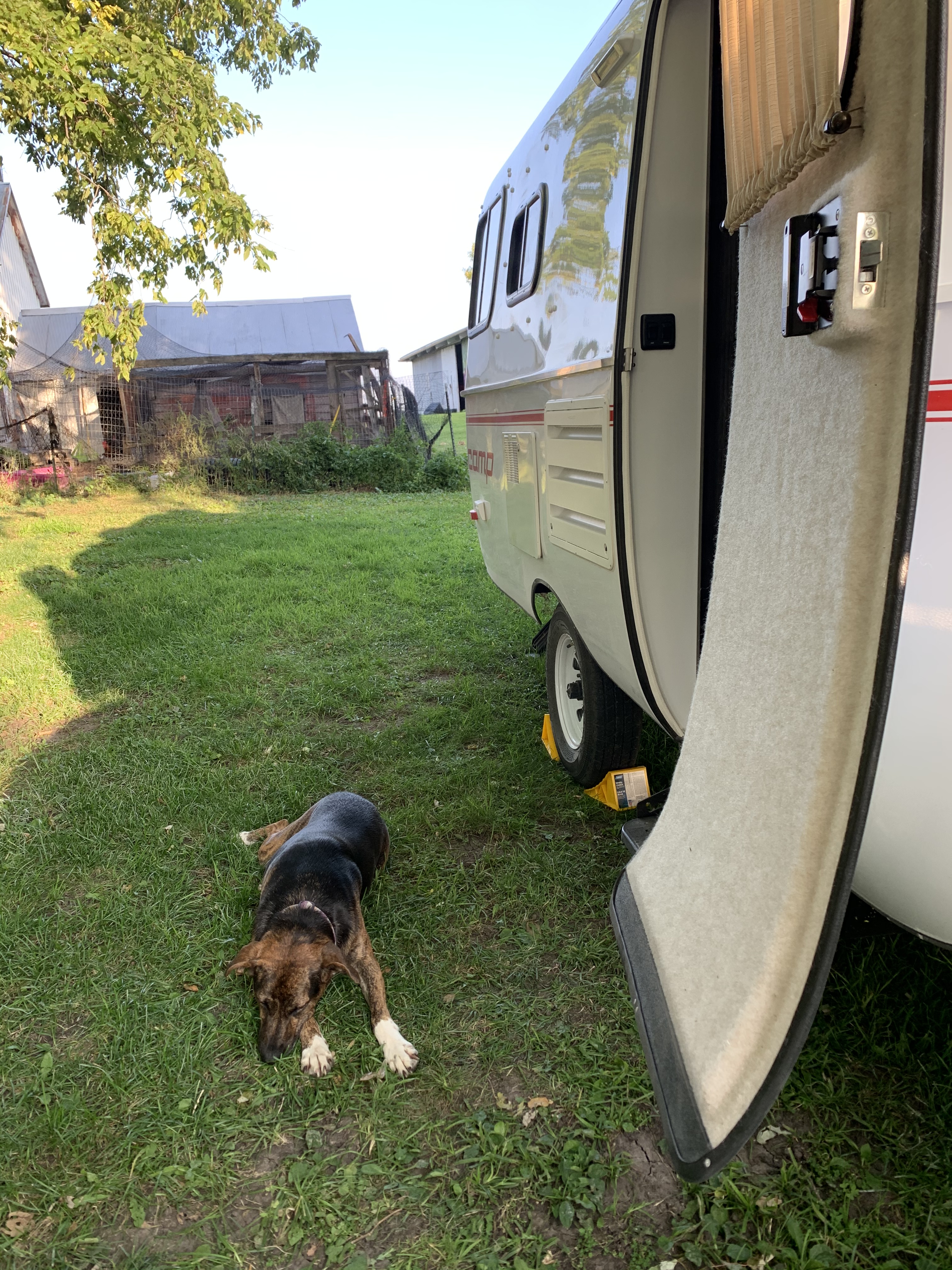
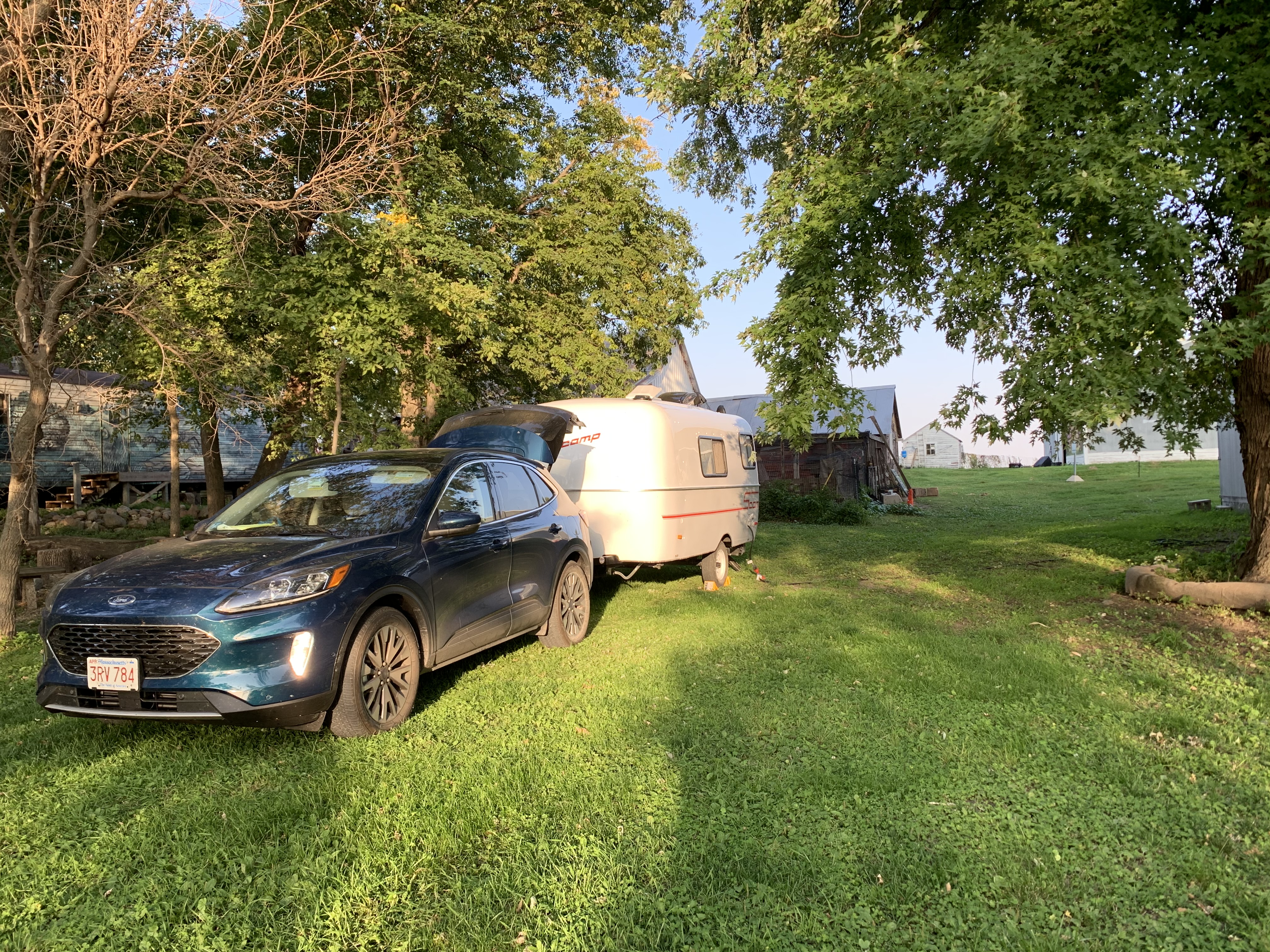
Although we didn’t need to wake up early, the rooster was up at 5 on the dot. He didn’t get much response, so he gave up for a while before trying again. It was nice to wake up to the sounds of the farm animals. Pancakes and hot tea for breakfast, and a visit from the farm dogs to start the day.

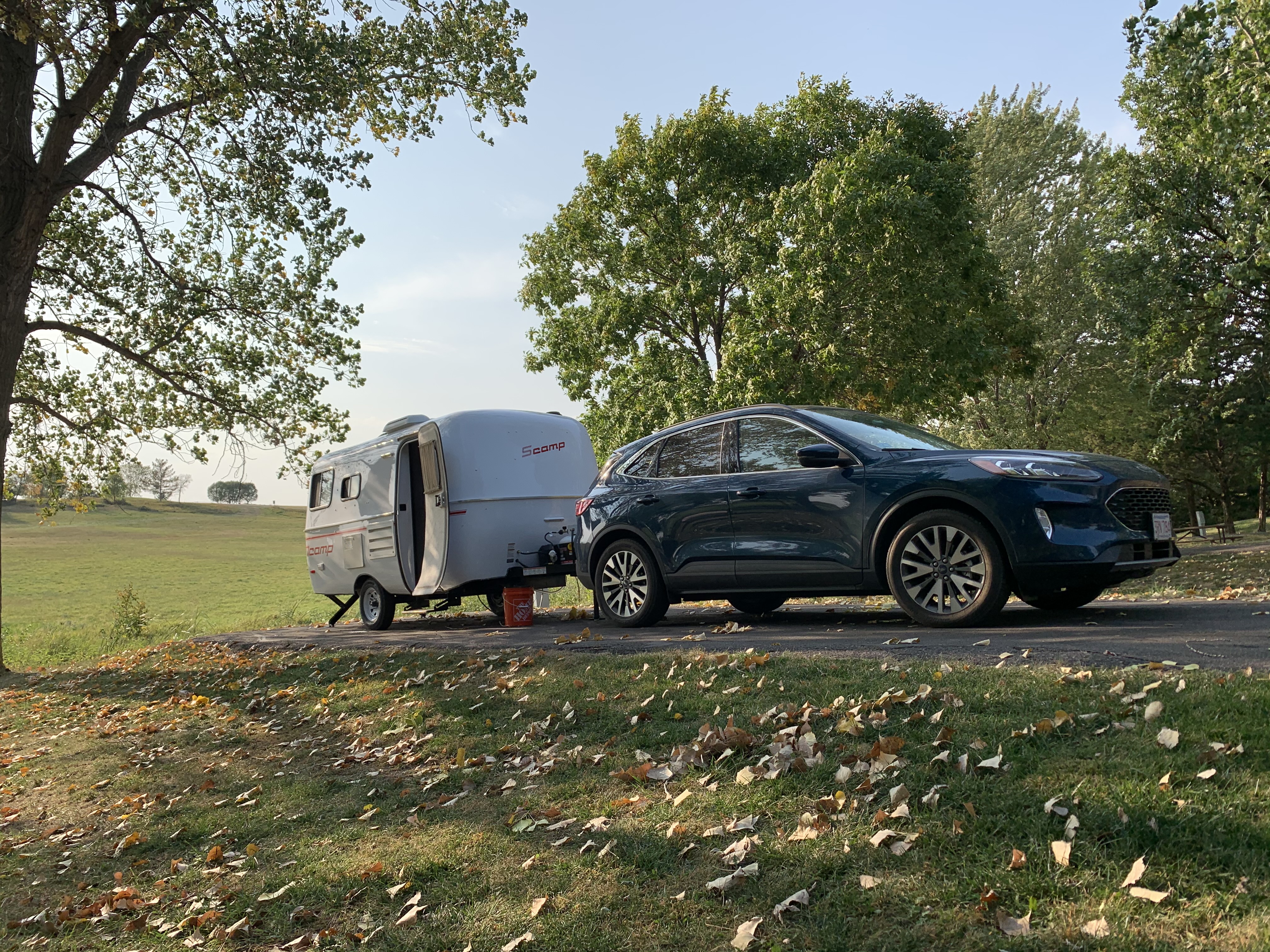
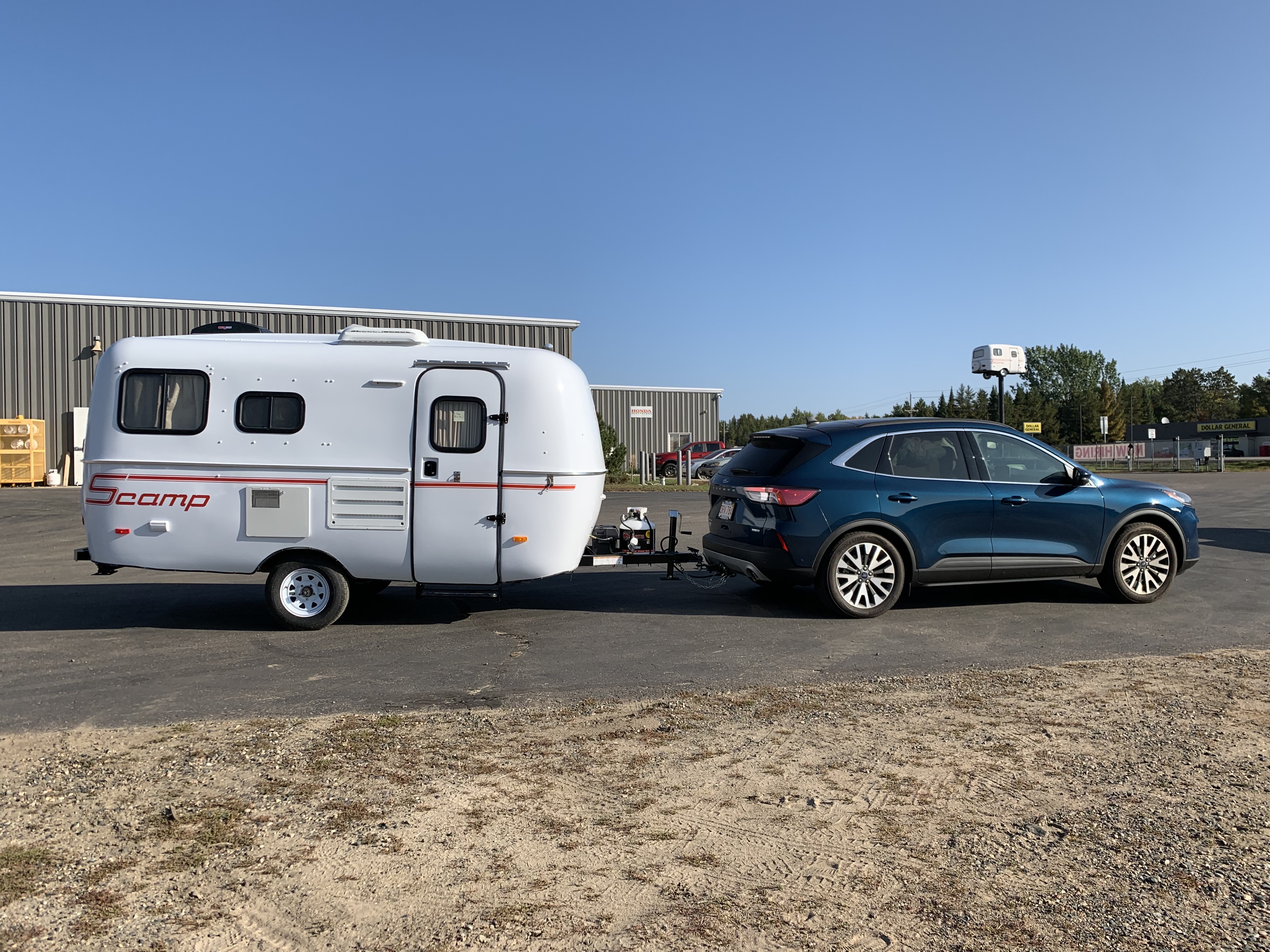
We bade farewell to the farm and silly goats. Today was my day to drive with the camper. It wasn’t as bad as I thought it would be. I could definitely feel the weight of the camper on the car, but it pulled smoothly behind us. The hardest part is not being able to see the road behind you. When we made our first stop, we checked inside and everything was still in place. We have our heavier things (food, heavy pots, etc) in the lower cabinets in hopes that they will stay put. The cabinet doors have latches, but they can pop open as the camper moves and contents shift.

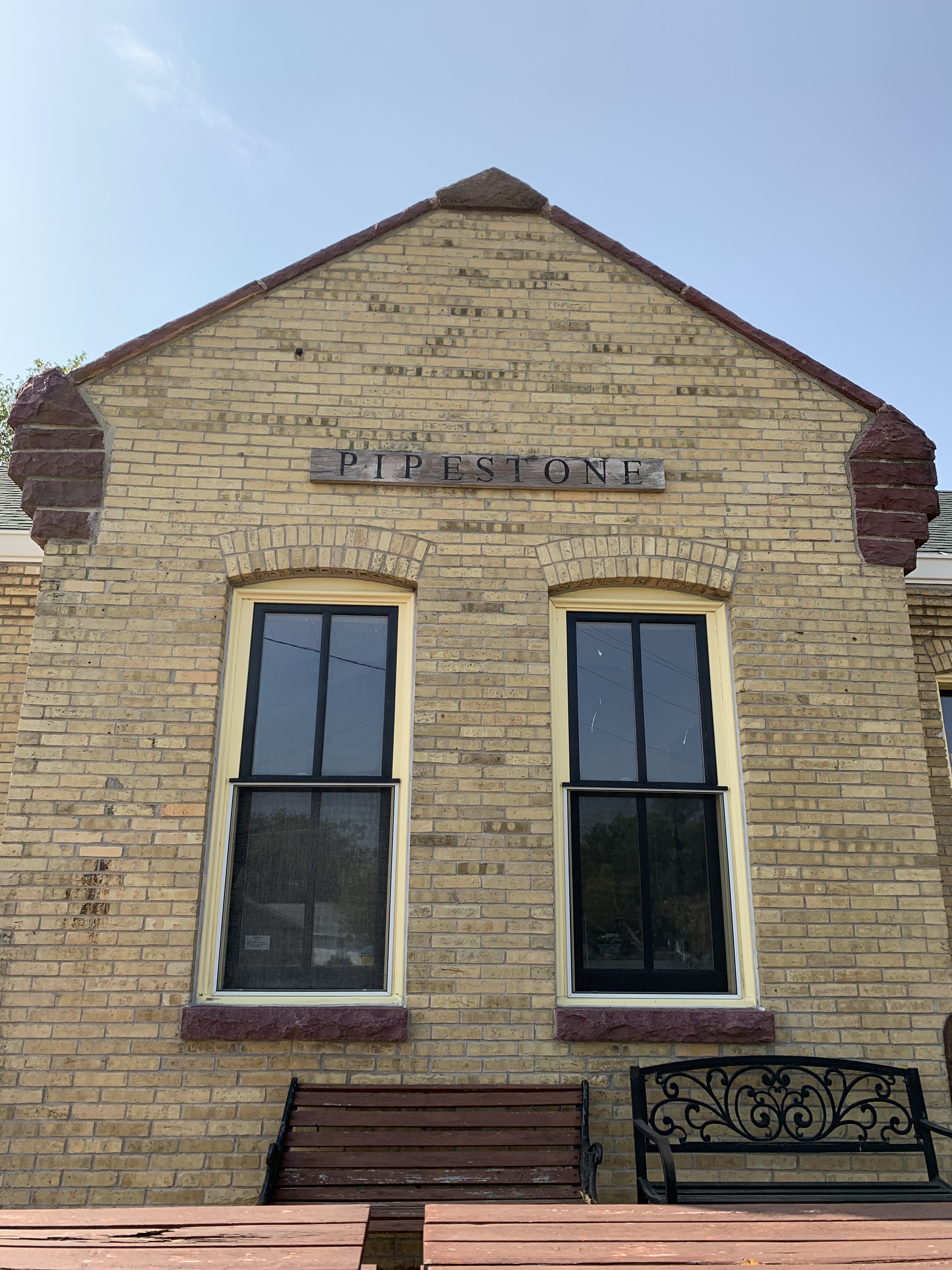
Atlas Obsura site for the day was the World’s Largest Peace Pipe in Pipestone, MN. Pipestone is known for its Pipestone National Monument, which is an active quarry still used for carving ceremonial pipes. Only those with Native American Ancestry are allowed to quarry the pipestone, using hand tools and traditional methods. Due to Covid-19, the visitor’s center was closed, so we’ll save that for another trip.
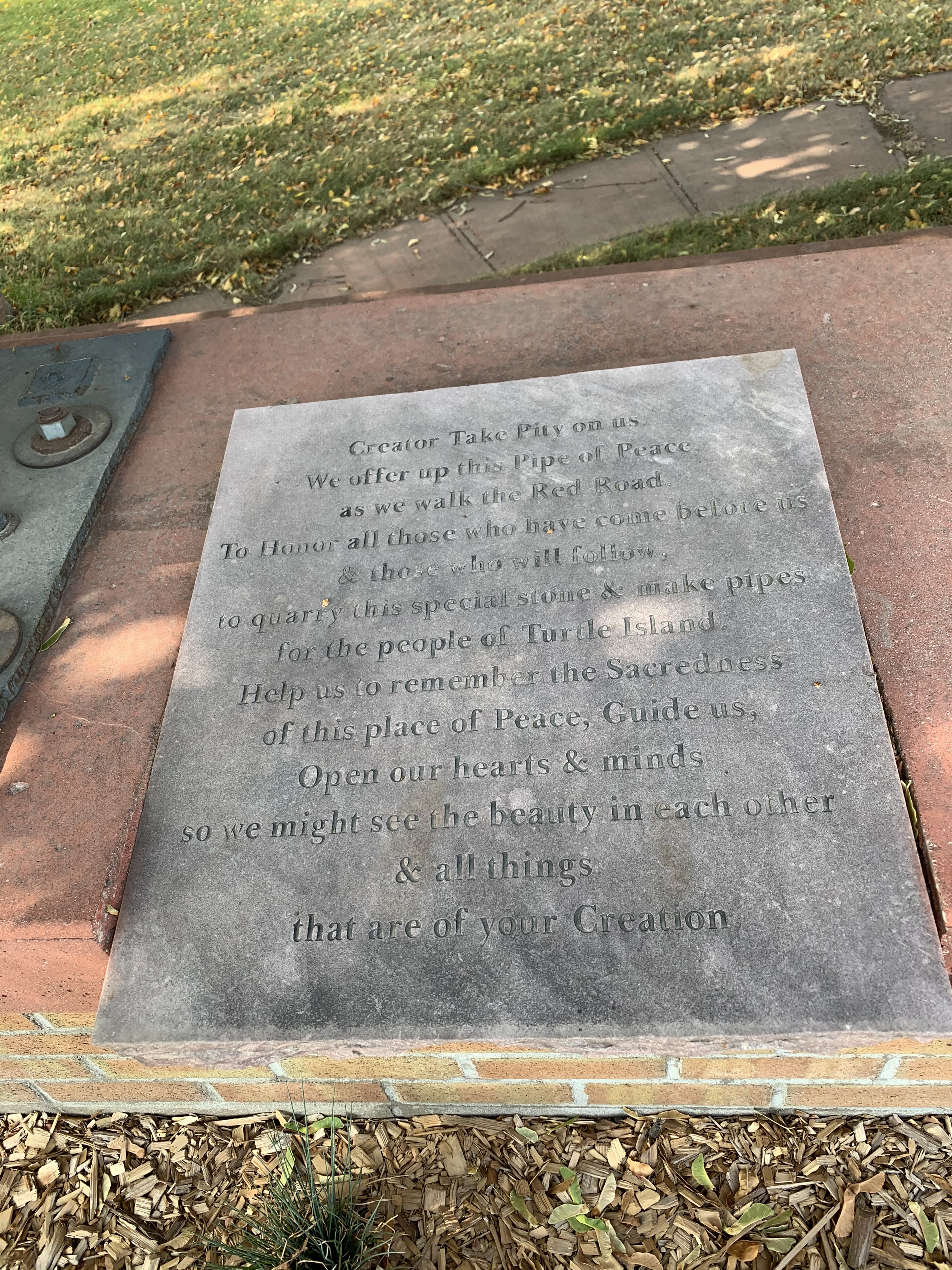
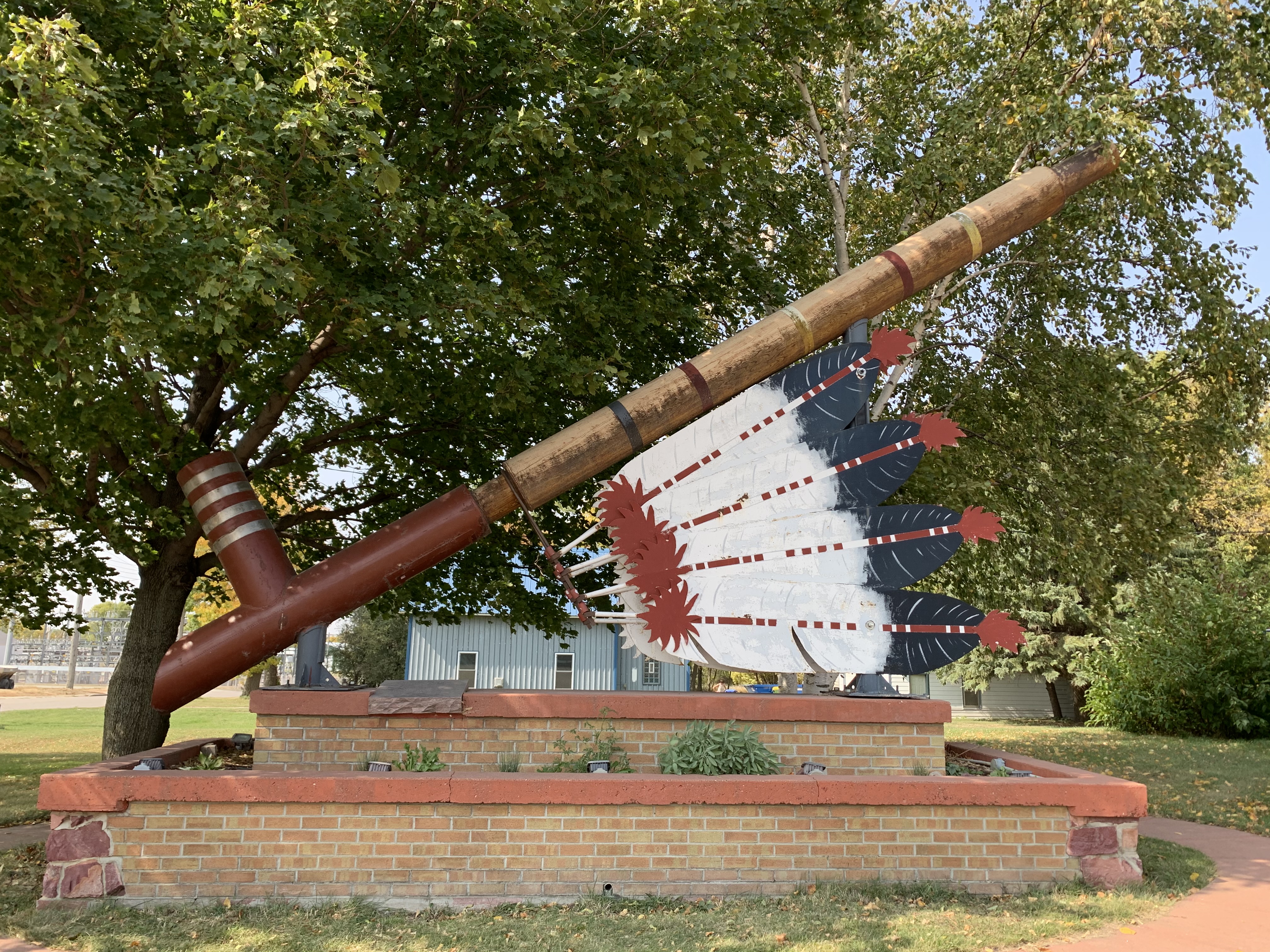
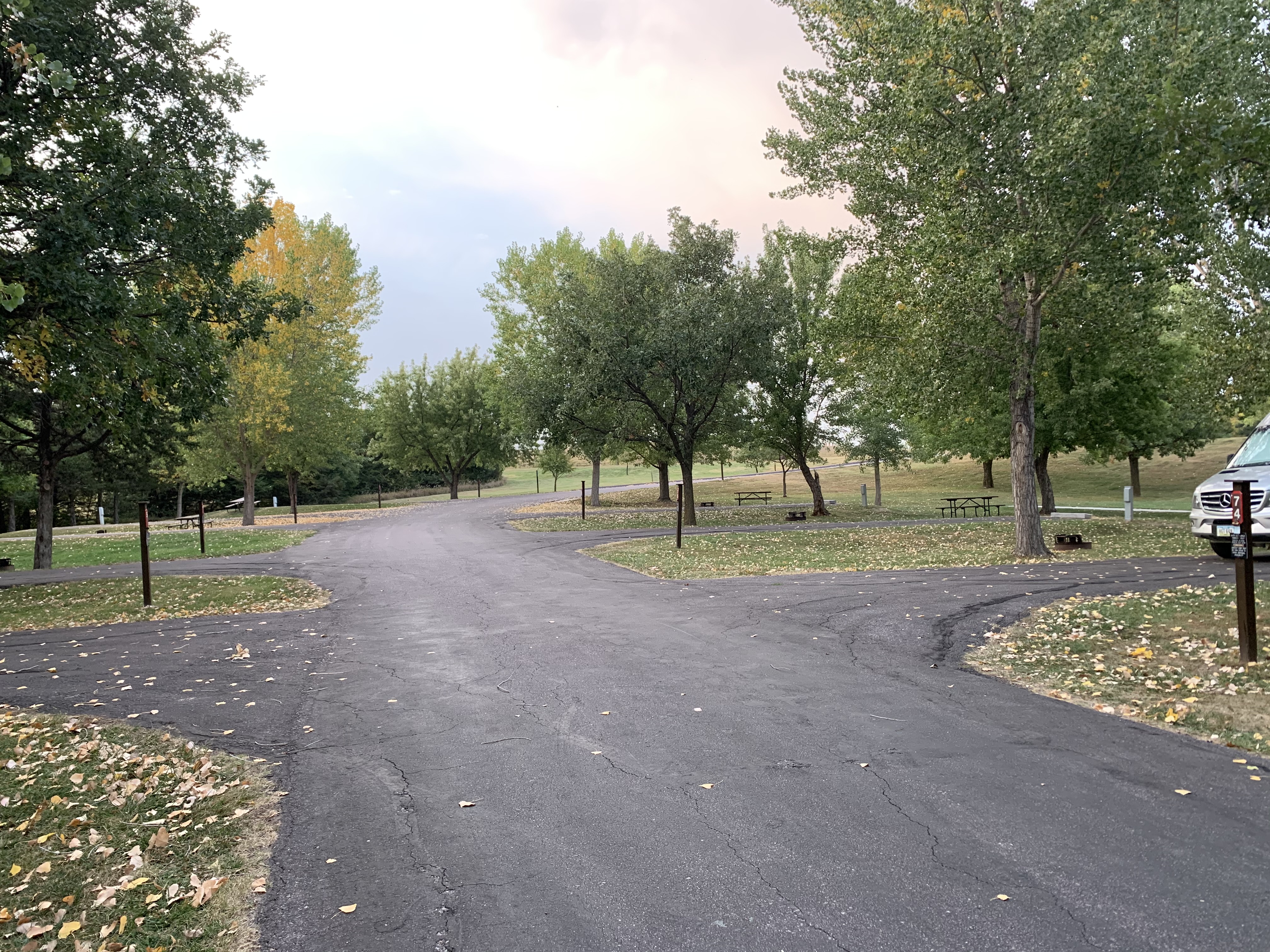
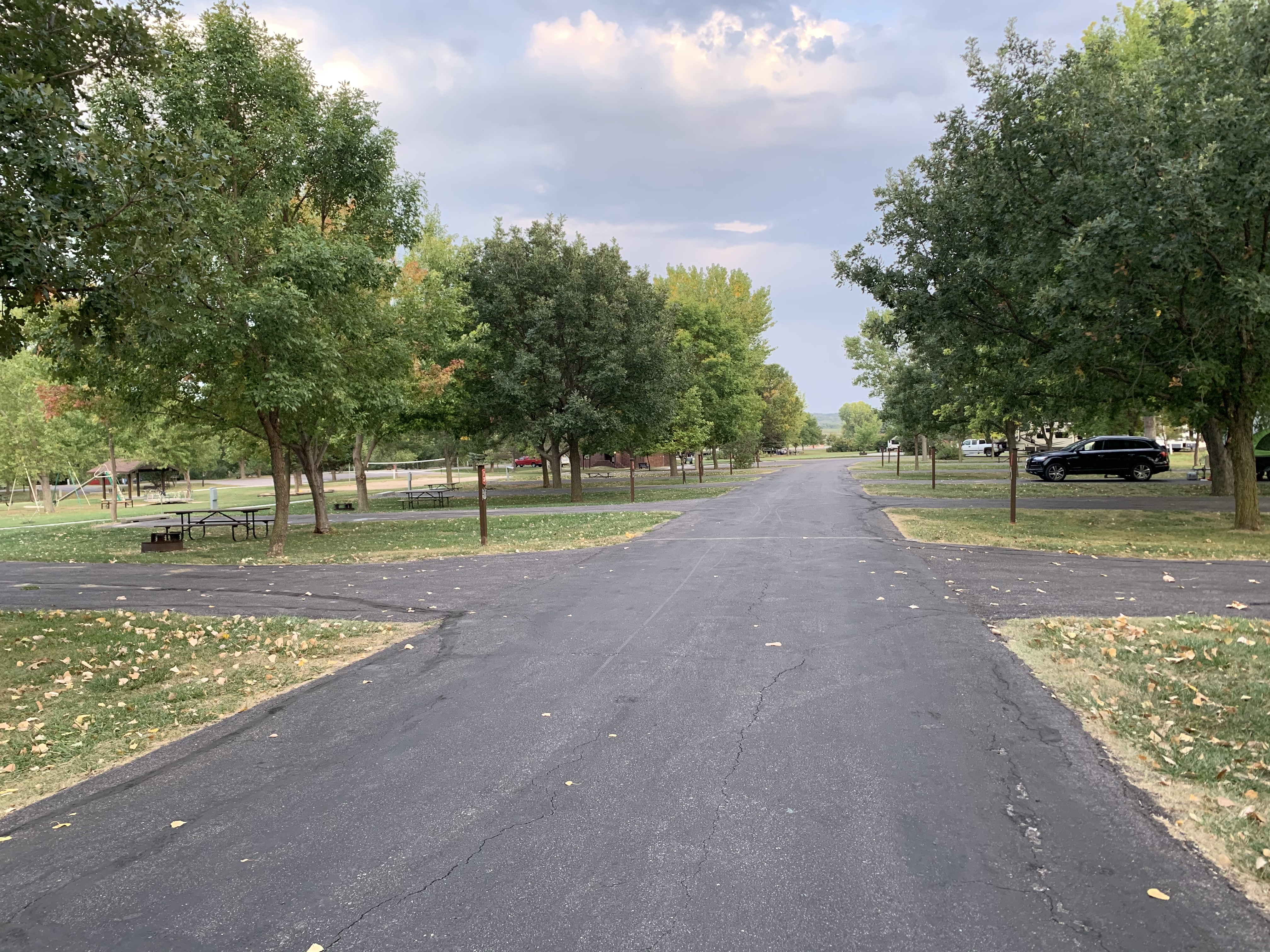
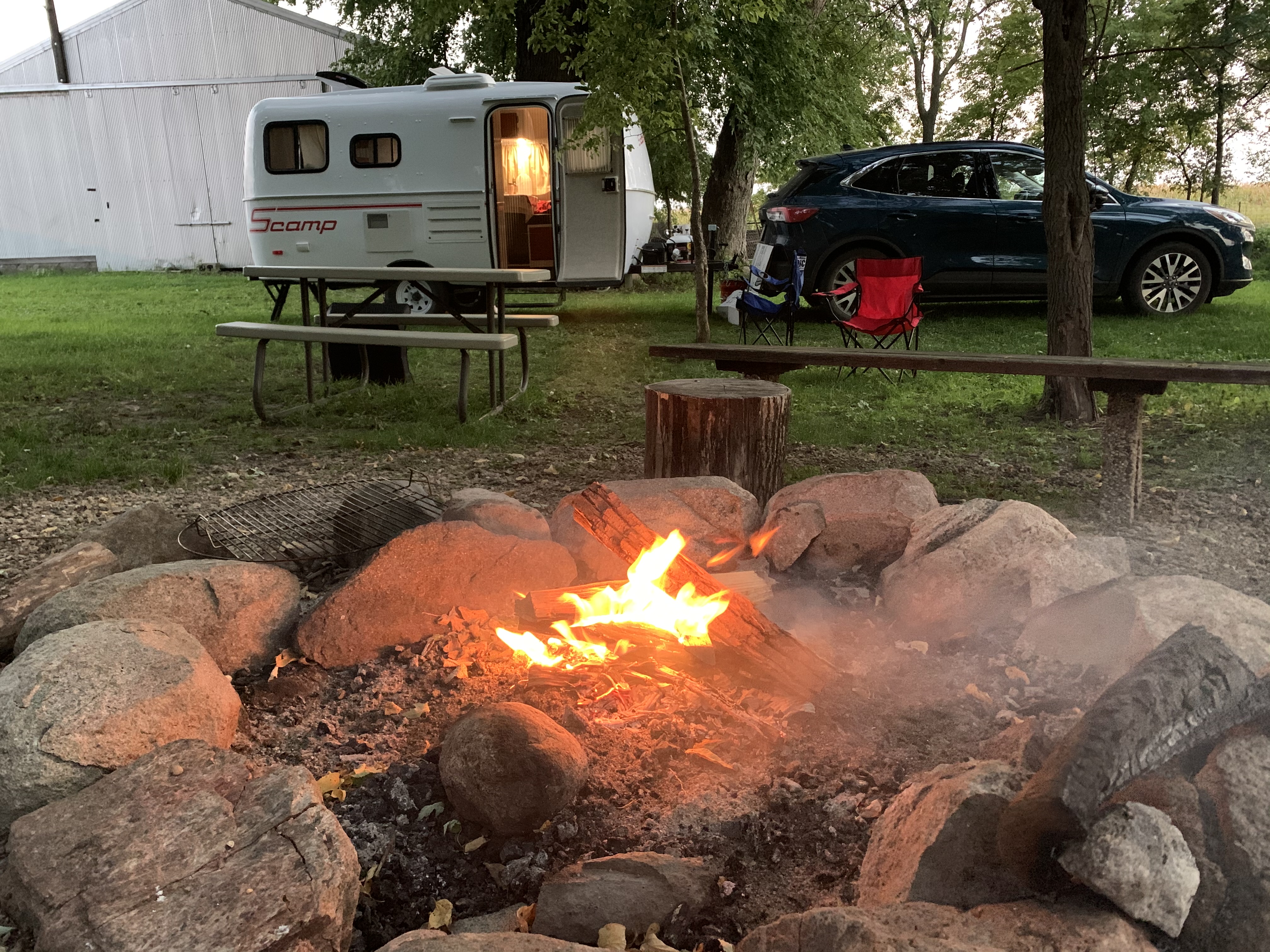
Our drive continues into South Dakota and over the Missouri River into Niobrara State Park in Niobrara, NE. This campground was a stark contrast to the campground in Michigan. There were very few campers here, so plenty of space between us. There were a couple of big RV’s, but mostly smaller units and tents, and it was very quiet. During the night, I heard a few trucks rumble by on the nearby road, and a brief coyote conversation – otherwise the sound of nothing.

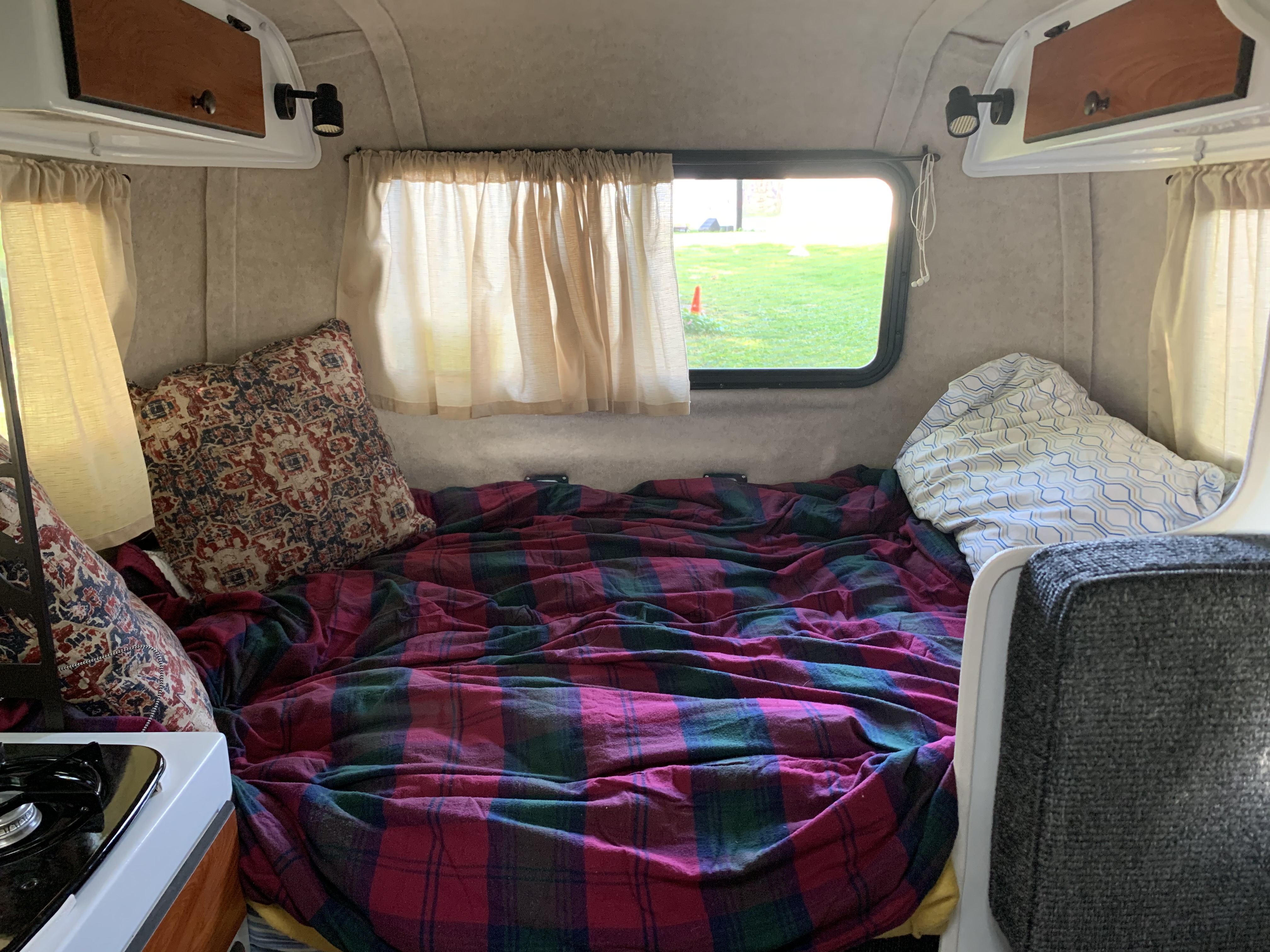
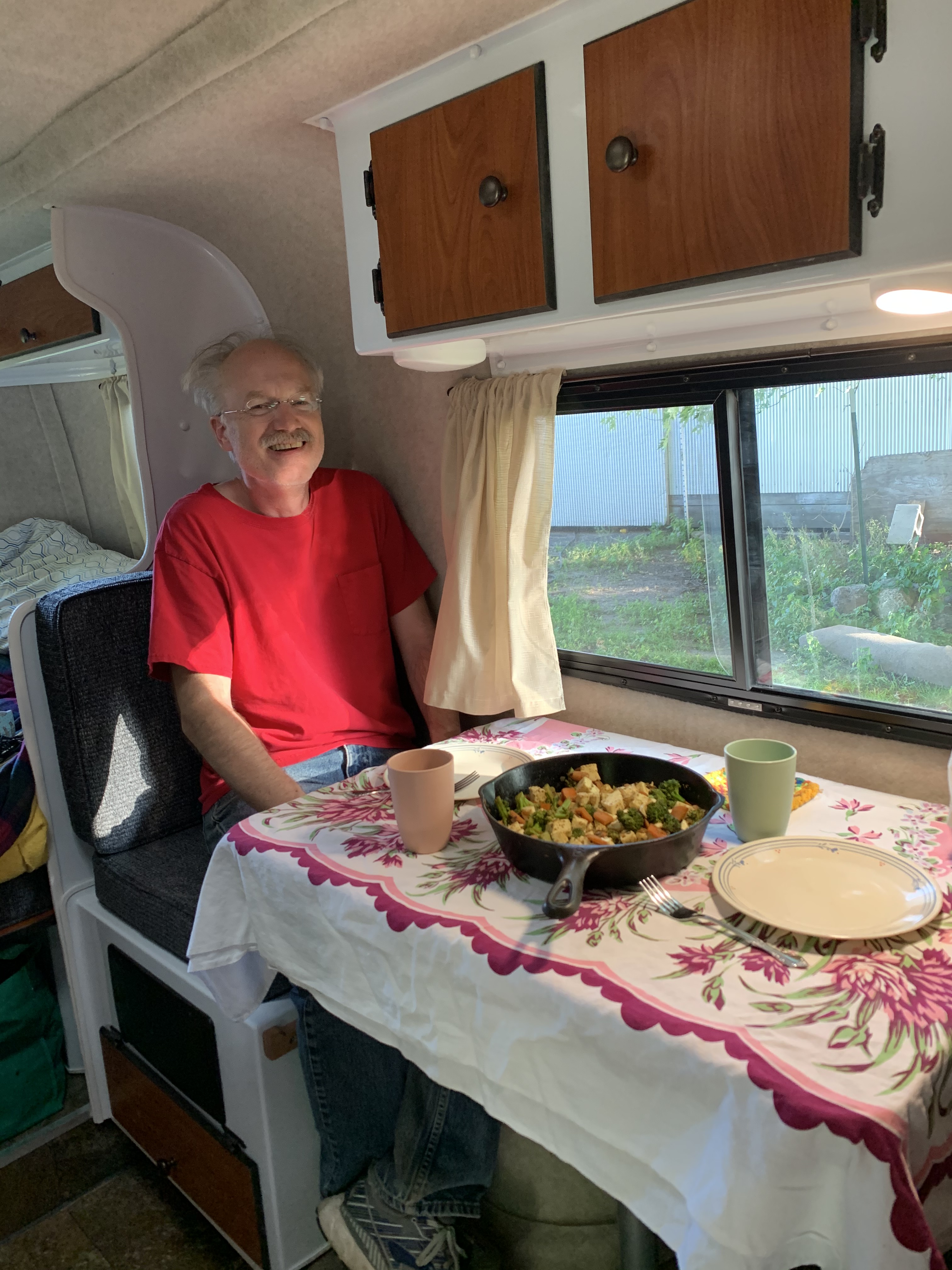
We’re getting the hang of living in our small space. Tea and oatmeal on our indoor stove to start the morning, keeping dirty dishes to the minimum (eating oatmeal out of the pot saves a dirty bowl ), clothes kept neatly stowed in their totes, put things away as soon as you’re done with them – maybe some habits that will stick with us when we get home. If we are not hooked up to a water source, we can hold 24 gallons of fresh water in our tanks. This week we are staying in campsites where we can fill up, so we aren’t at risk of running out. After next week, we’ll probably try some boondocking – finding a secluded spot on National Forest or Bureau of Land Management (BLM) land to camp for free. Then we’ll be relying on our battery for lights and water pump, propane for refrigerator, stove and water heater, and our single fill-up of water. We have yet to determine how much water it takes to shower – not too much from our first showers, but more when I decided to wash my hair. Our toilet uses some water, too. We’ll see how long we can last “off the grid”.
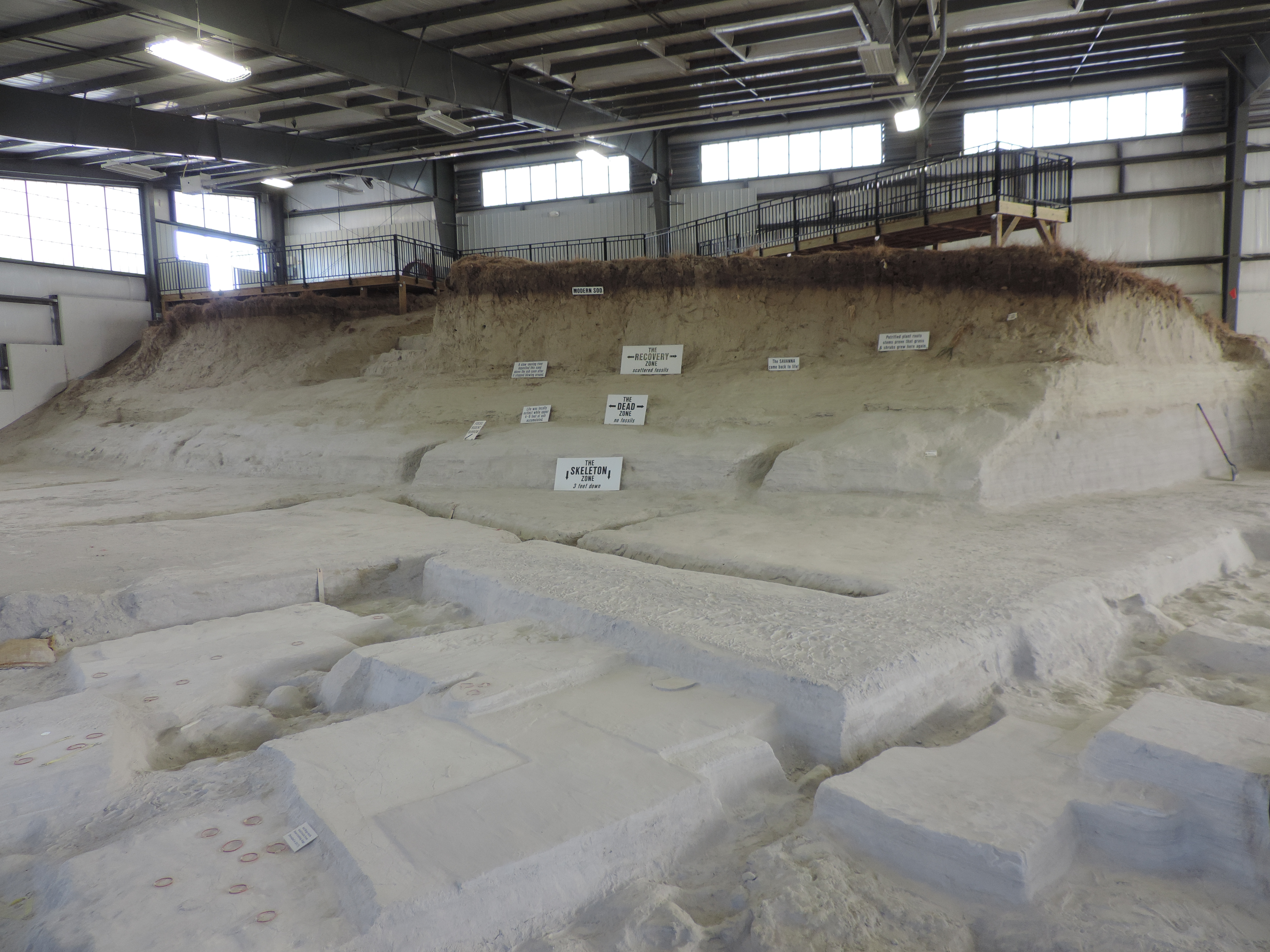
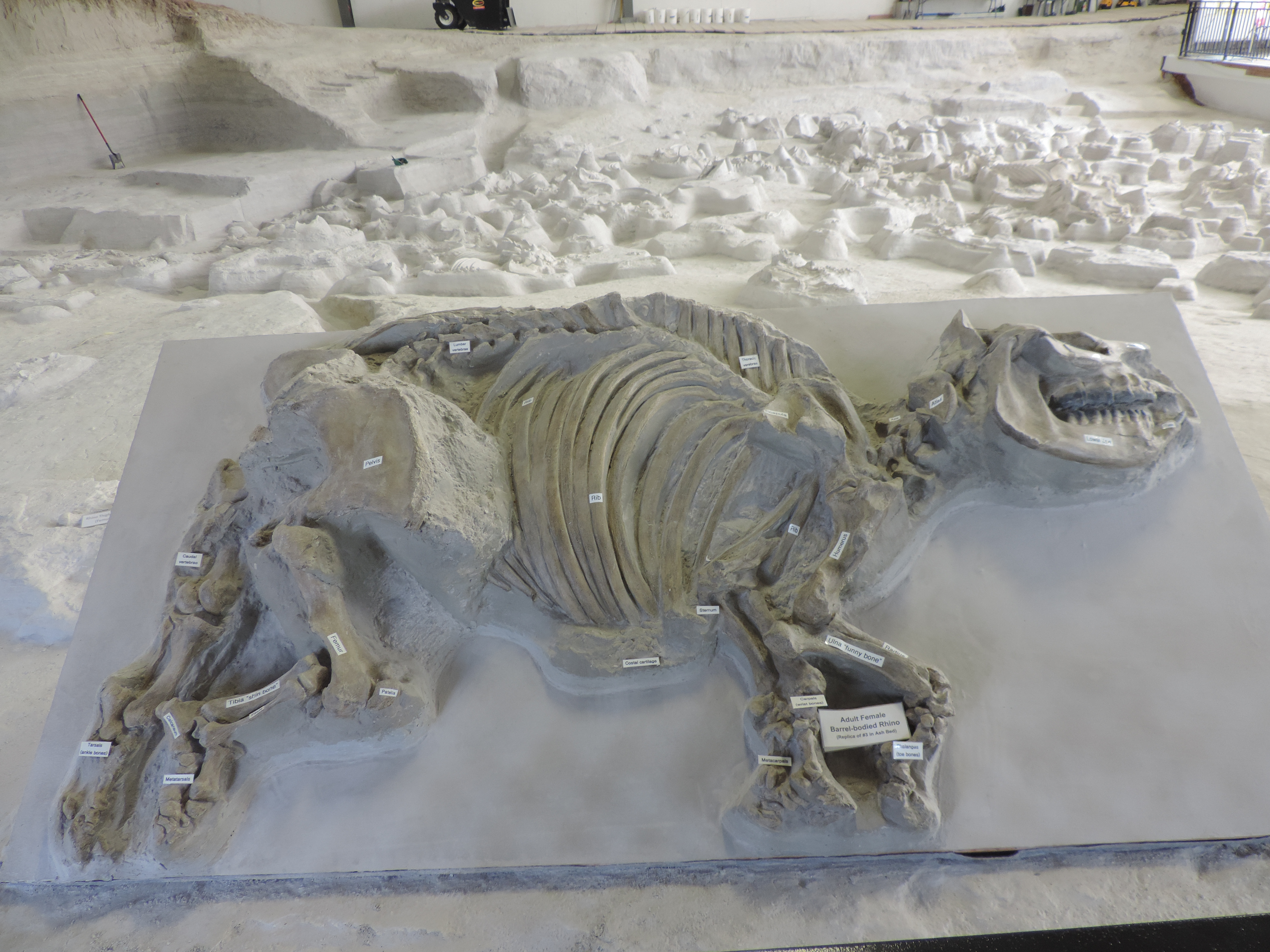
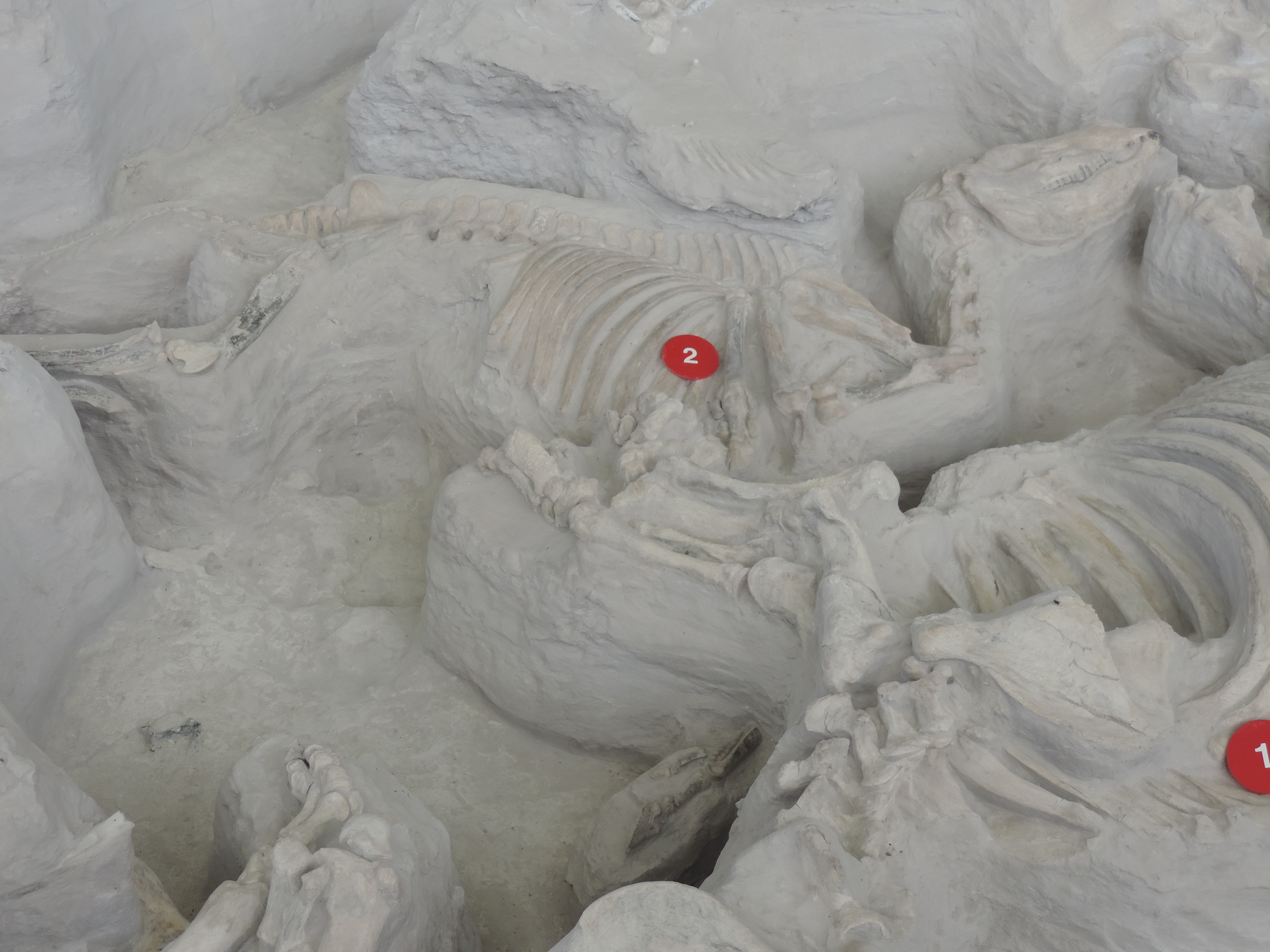
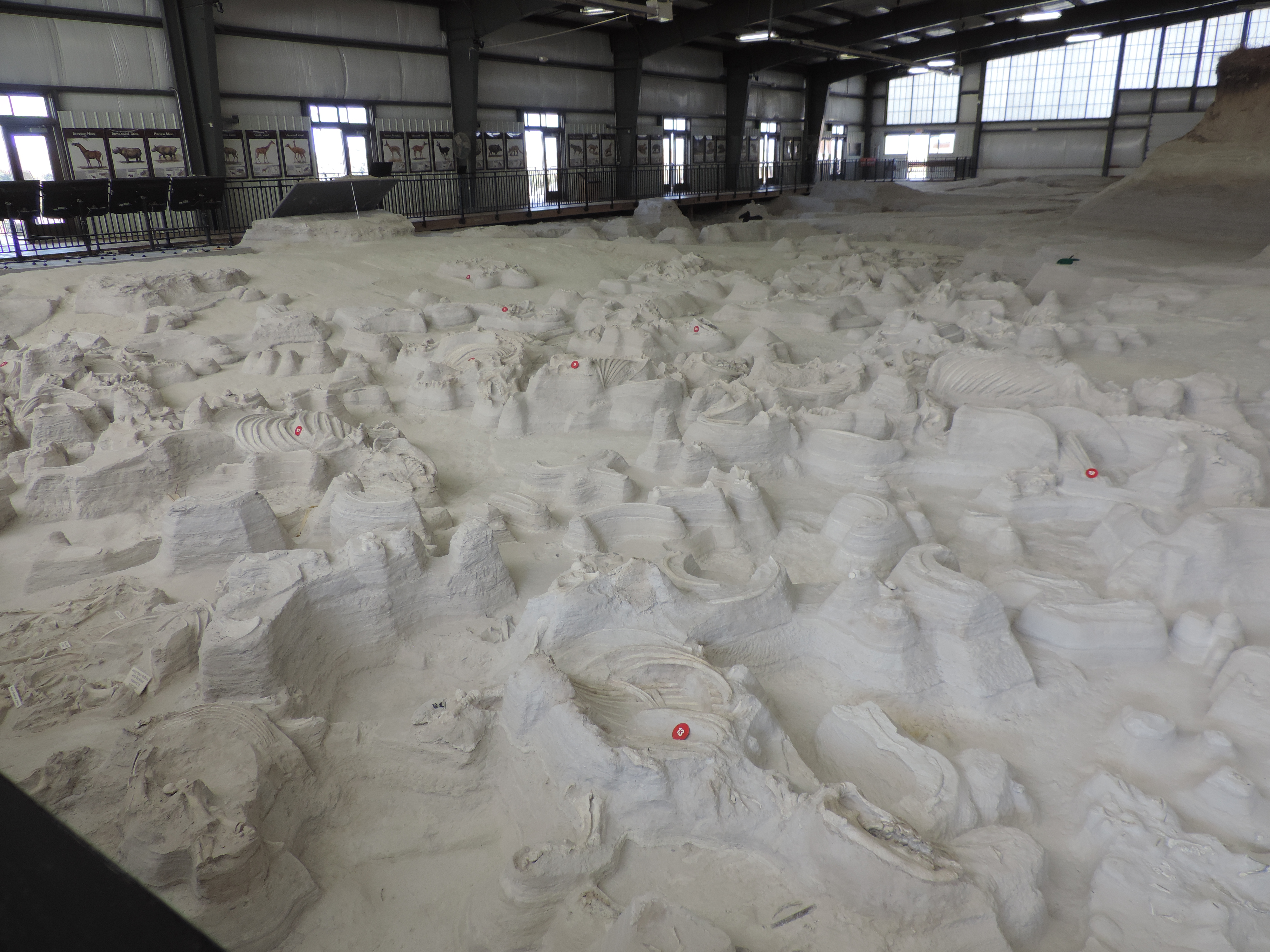
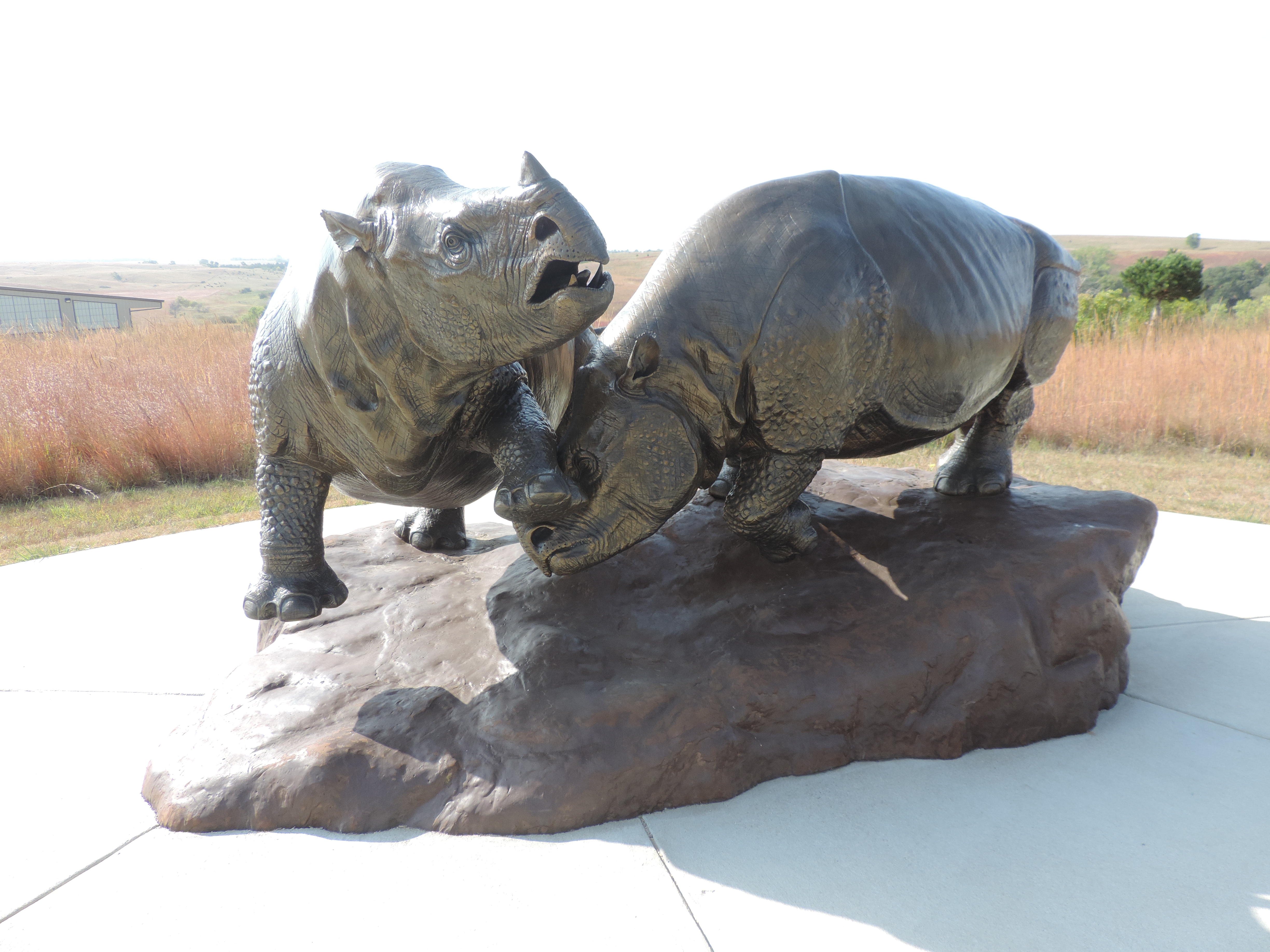
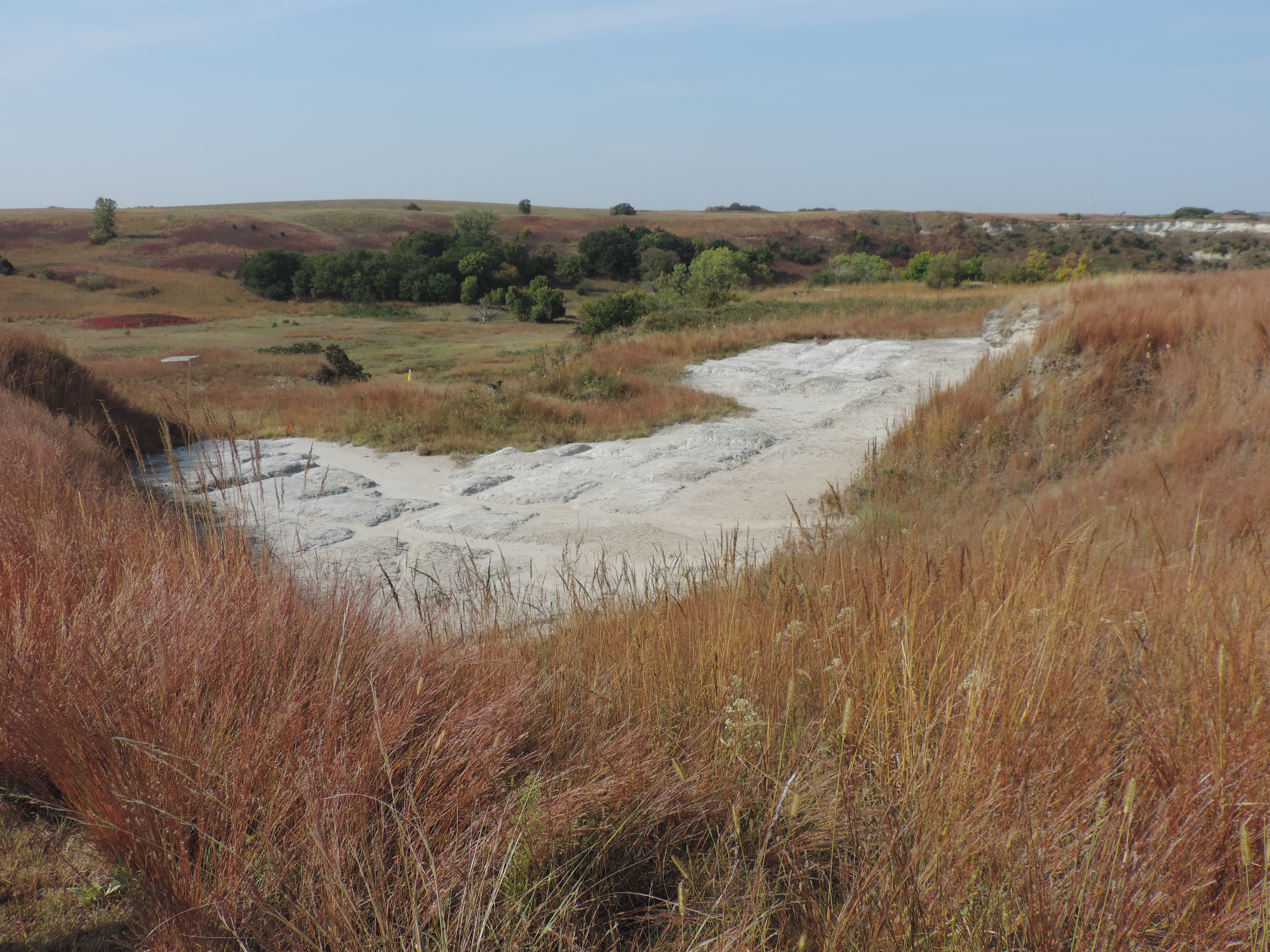
We had leisurely morning before packing up to head farther west. About an hour from Niobrara is the Ashfall Fossil Beds. This was very cool! 10 million years ago there was a huge volcanic eruption that sent an ash plume far to the east, covering the area with a layer of ash that killed all of the wildlife. What is unique about the Ashfall site is that they have discovered a watering hole where the animals gathered immediately before they died. There are many different species of fossils here, most in complete, intact skeletal form – camels, tiny wild horses, rhinos, turtles, dogs, deer and birds. The site was found by accident in the 1970’s and only a small area has been excavated. The active dig site is enclosed in a large barn, and fossils are left in place when found. They have public dig times during the summer – maybe something to consider for the future.
Back on the road and heading for Chadron State Park in northwest Nebraska. Some observations from the drive –

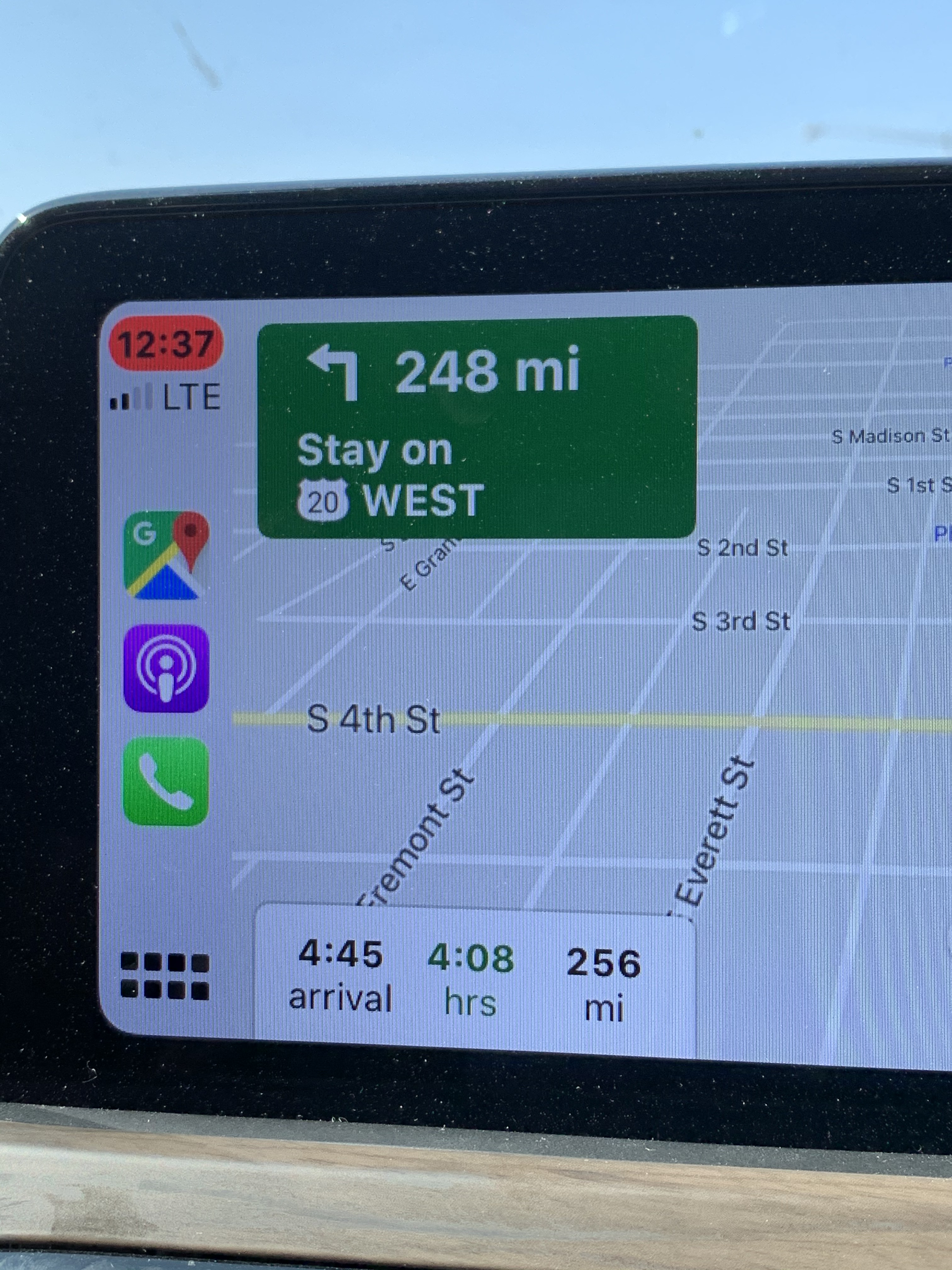
  • The roads are long and straight – our gps told us to turn left in 248 miles!
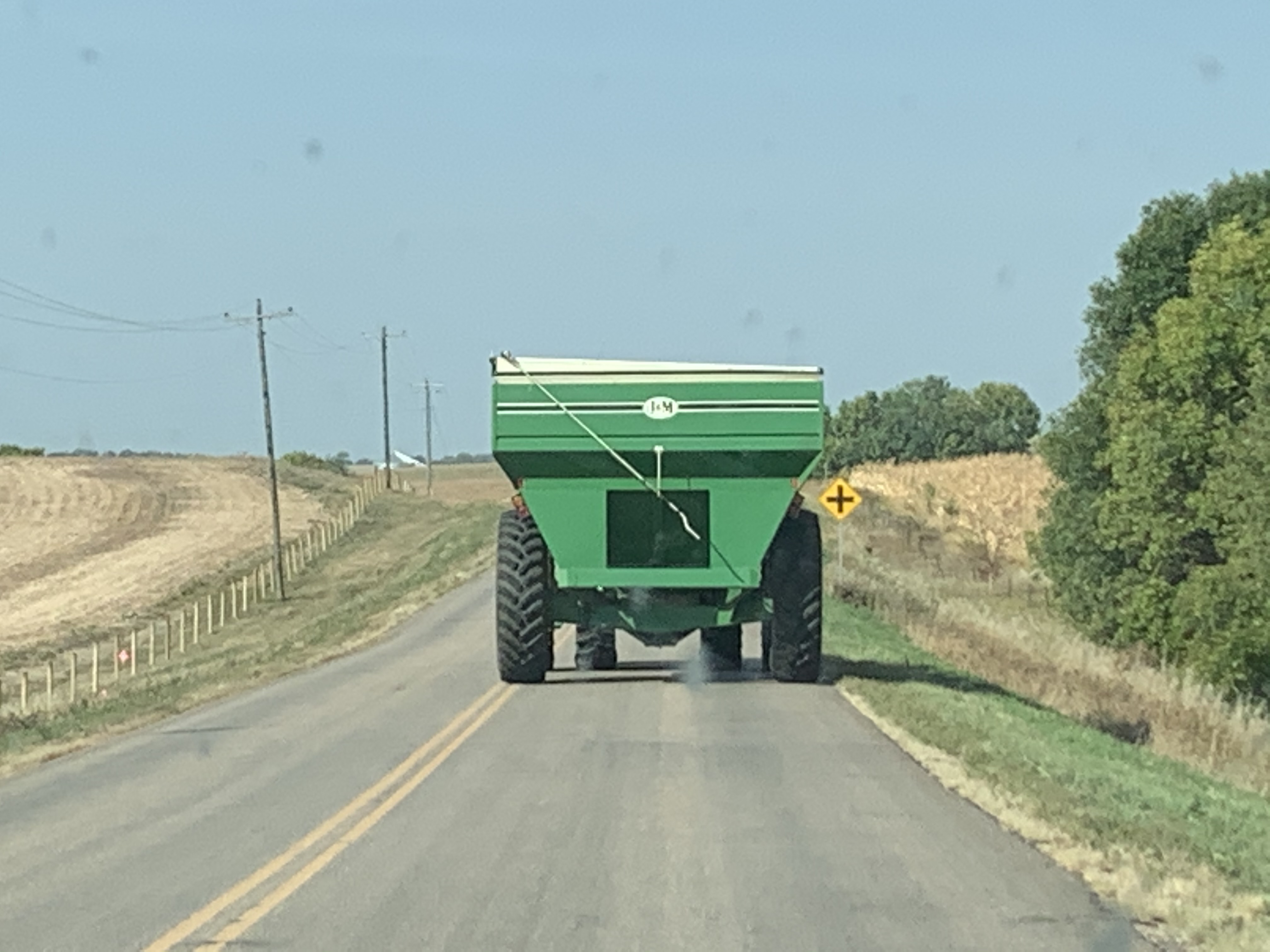
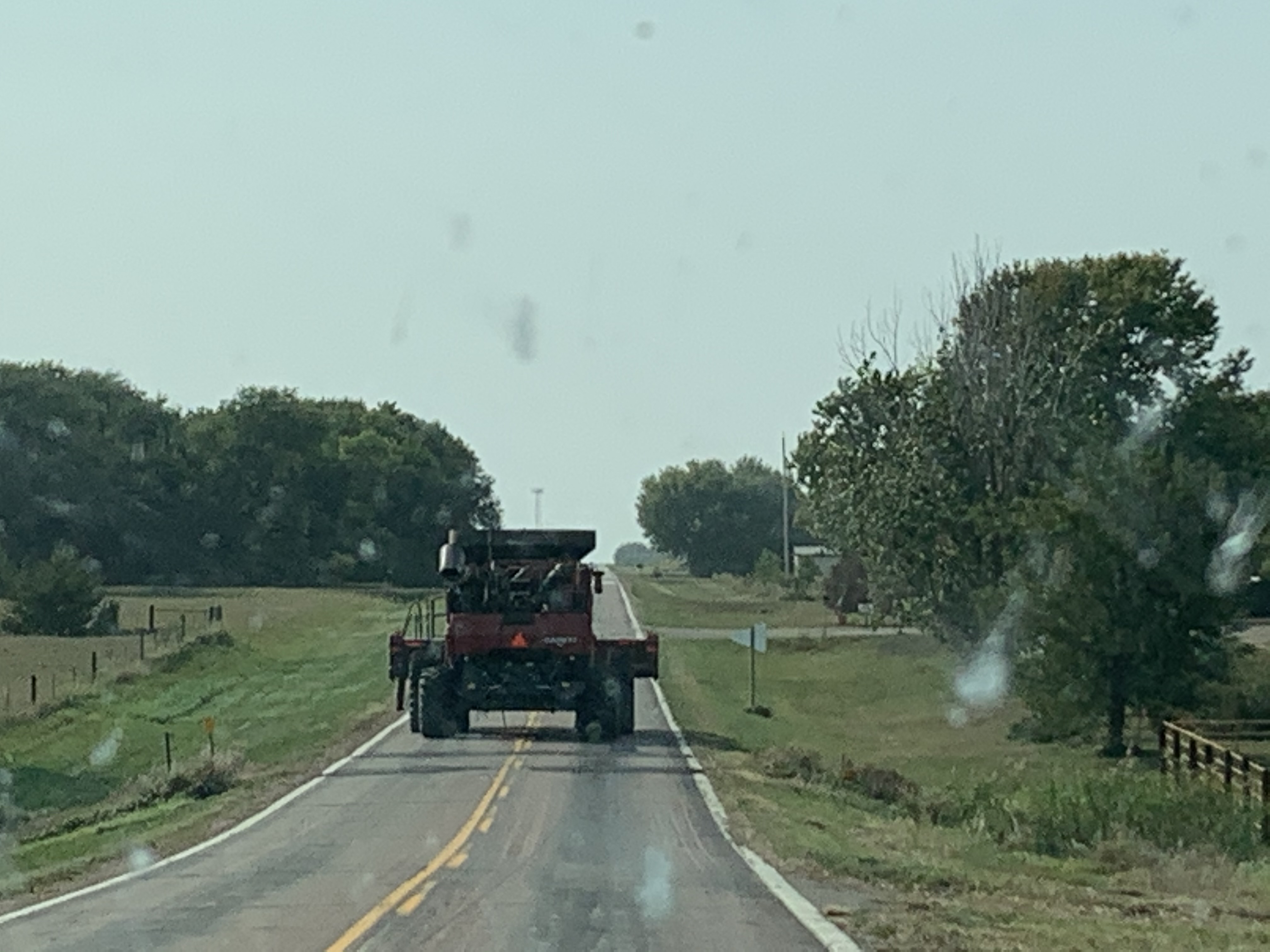
  • The farm equipment is different than what we see in New England – it’s all big here
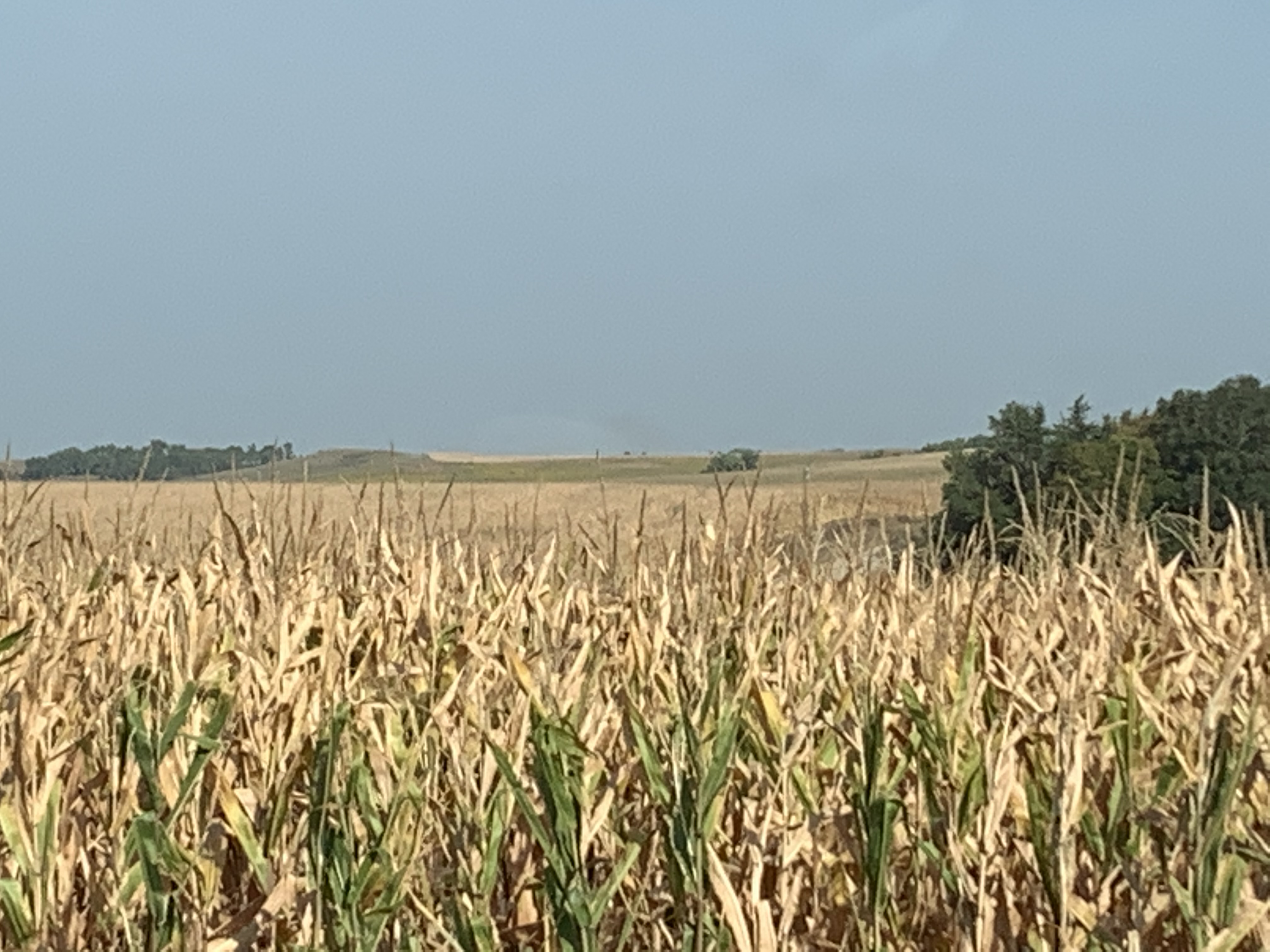
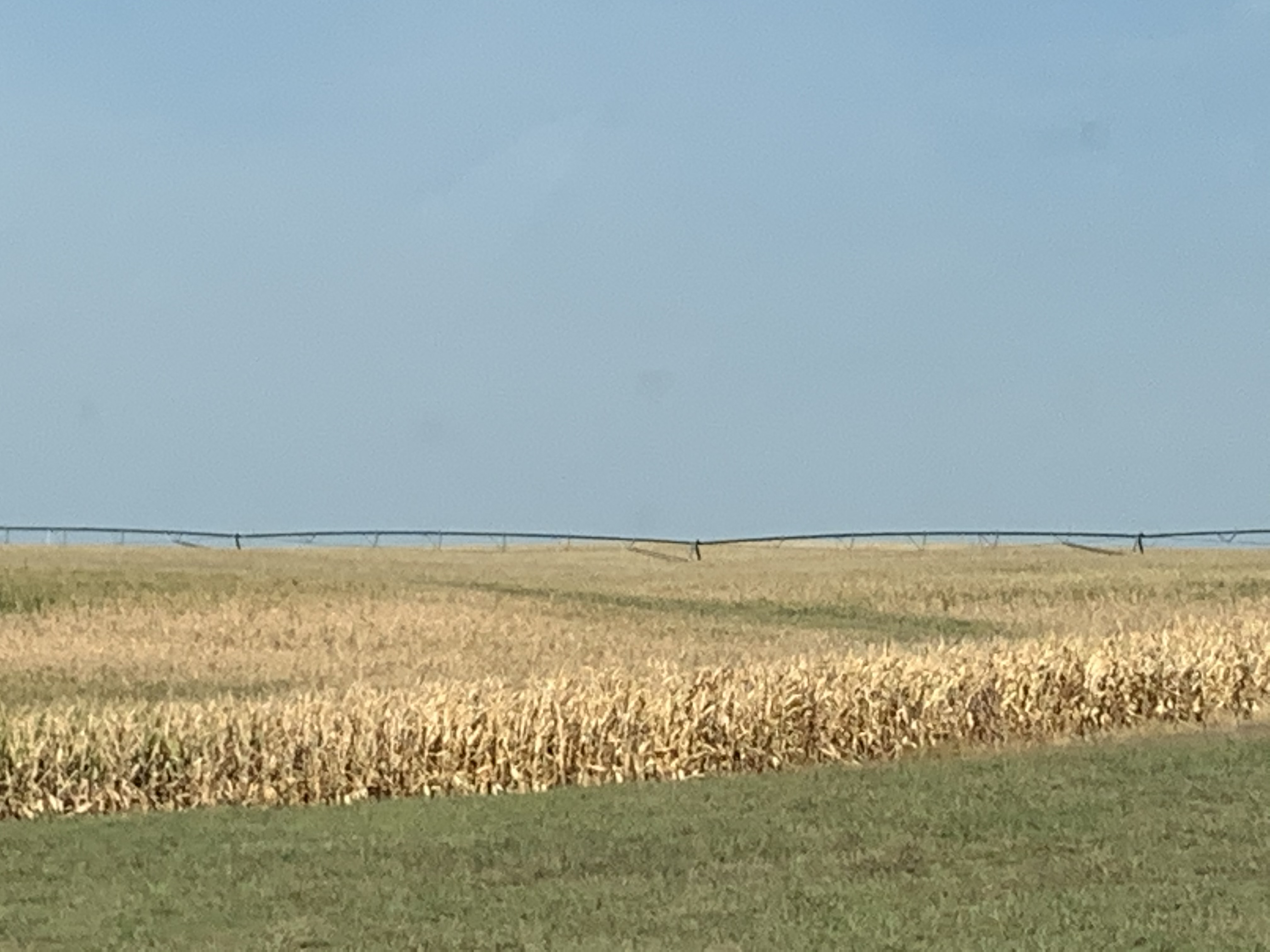
  • Corn and beans for miles – as far as the eye can see
  • Sunflowers as far as the eye can see in the western part of the state

Views from the car.
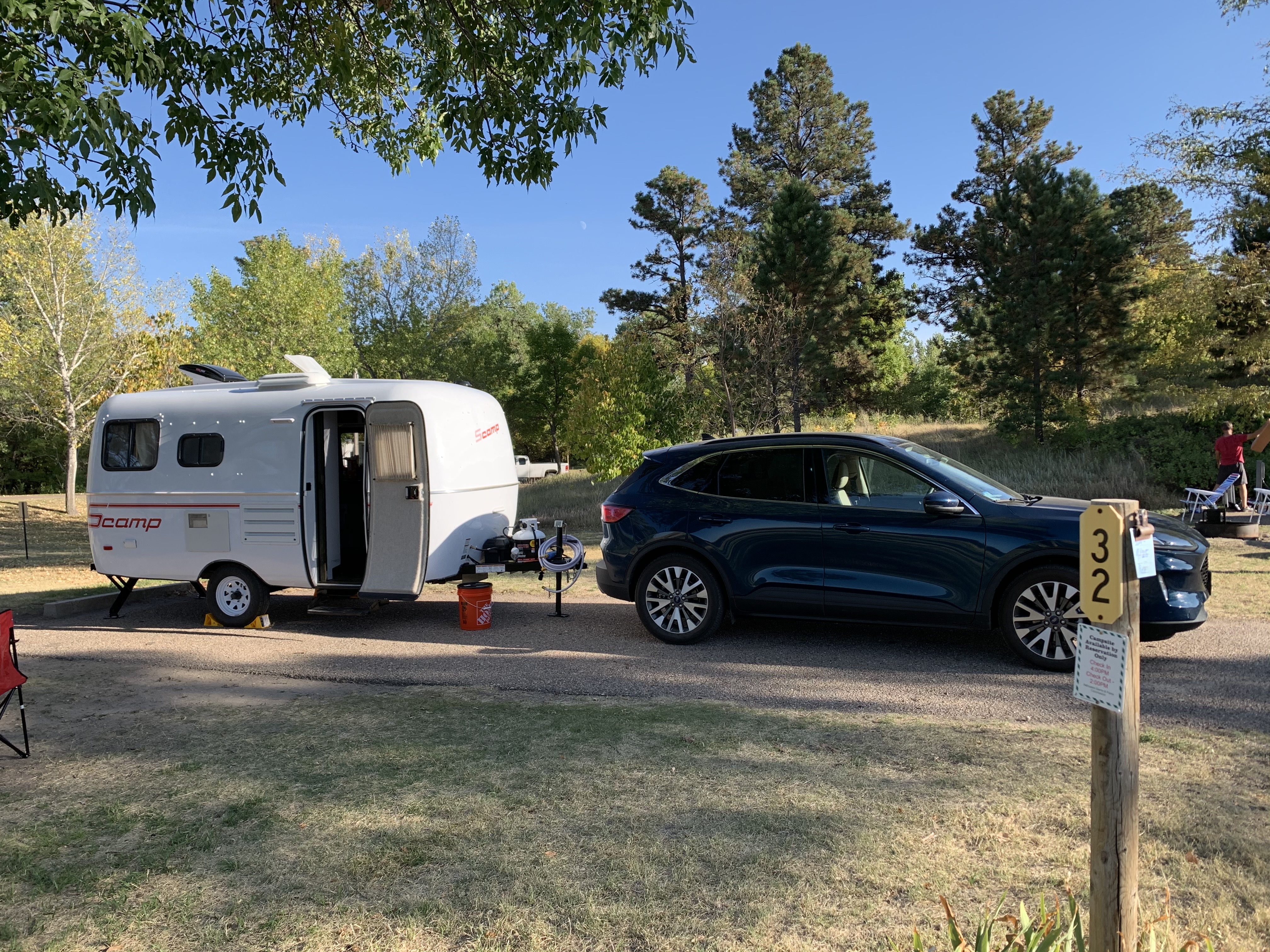
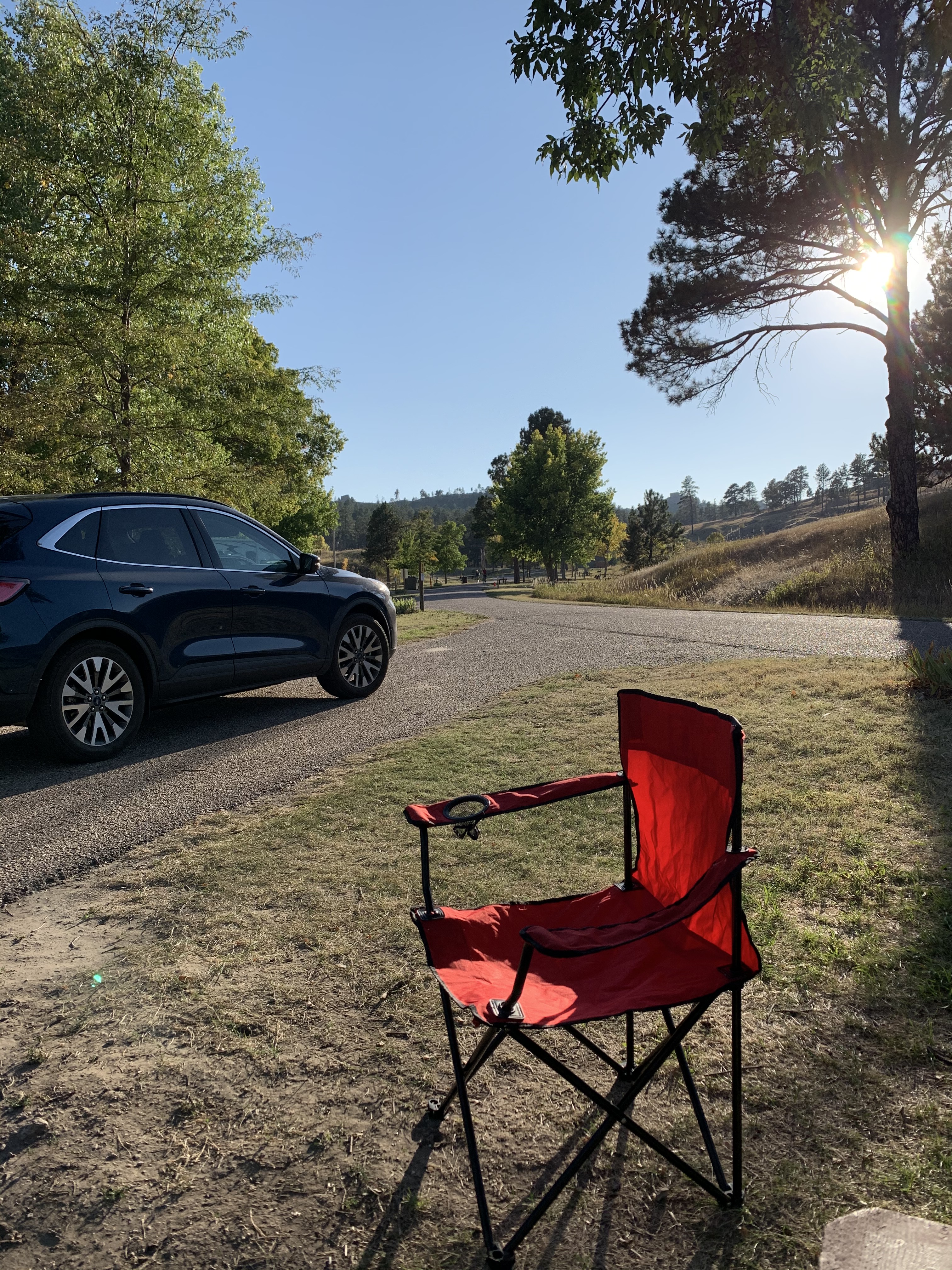
Chadron State Park campground was similar to Niobrara. There were more campers here, but still very quiet. We pulled in next to a small camper that had passed us earlier on the road. It’s fun to see the different kinds of campers that people have. They come in all sizes and shapes.

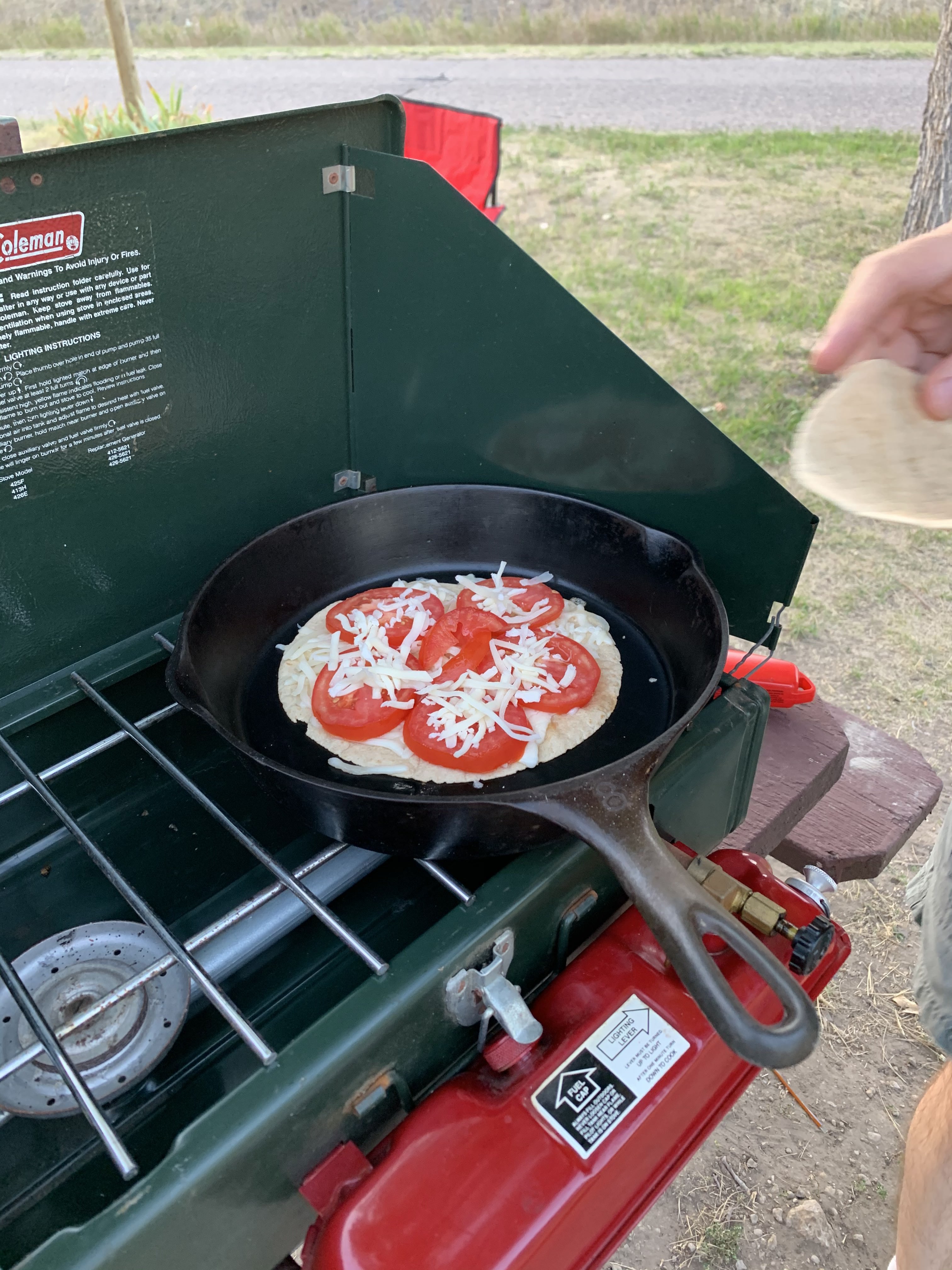
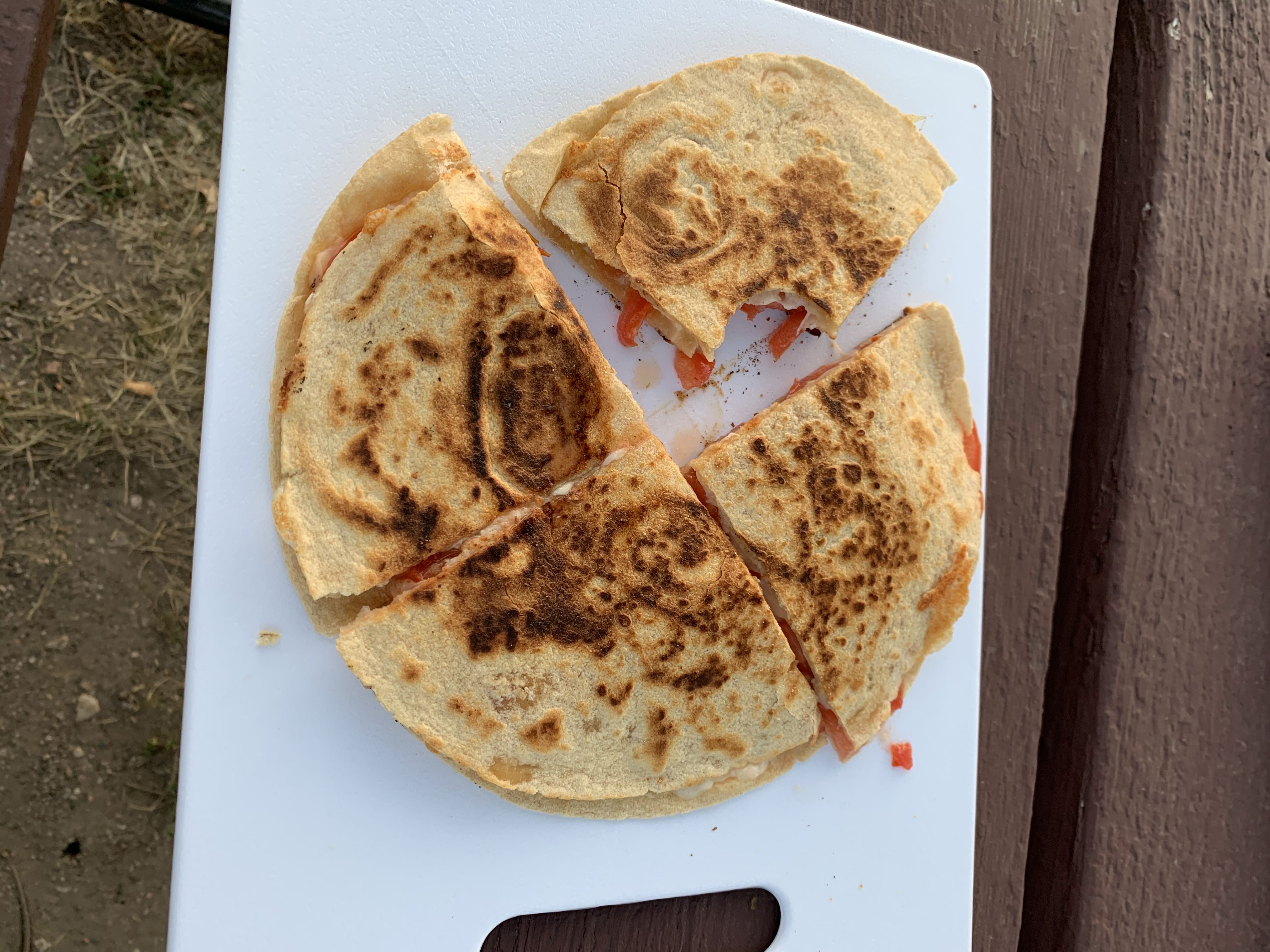
Dinner of tomato and cheese quesadillas on the Coleman camp stove. We haven’t gotten too elaborate on the cooking yet – pancakes, veggie stir fry, salads. We brought lots of food with us to minimize our need for shopping, so we’ll break into that soon. A good paneer dish with rice will be coming soon.
Picking Up the Scamp at the “Nest”

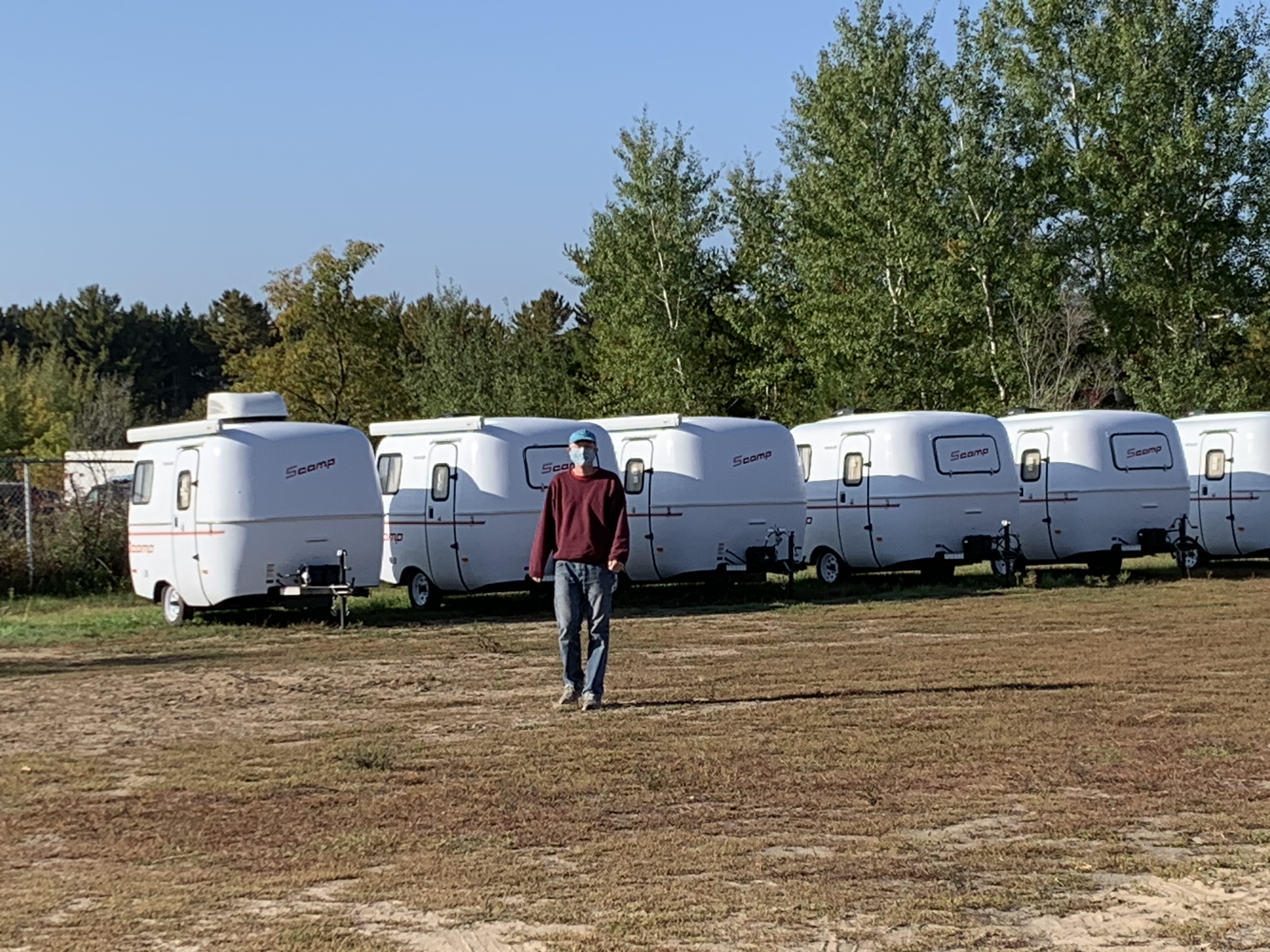
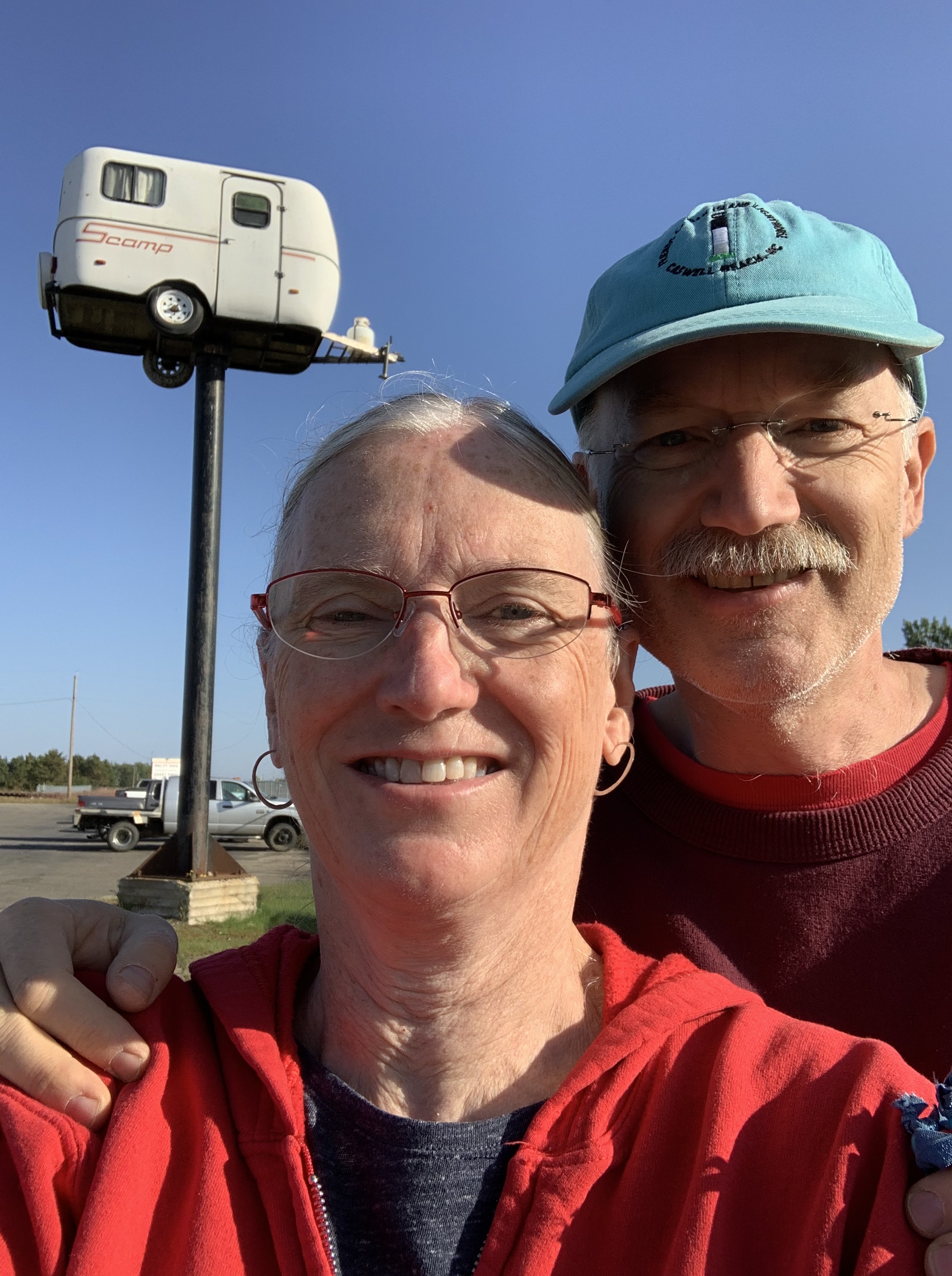
In order to make our 9 a.m. appointment at Scamp Trailers, we got up extra early. We’ve gotten the campsite breakdown and pack-up down to 25 minutes, so on the road at 6:15. The excitement builds as we get closer – yes, we’re really doing this! Our eyes were peeled, and I think we both spotted the Scamp on the pole at the same time.

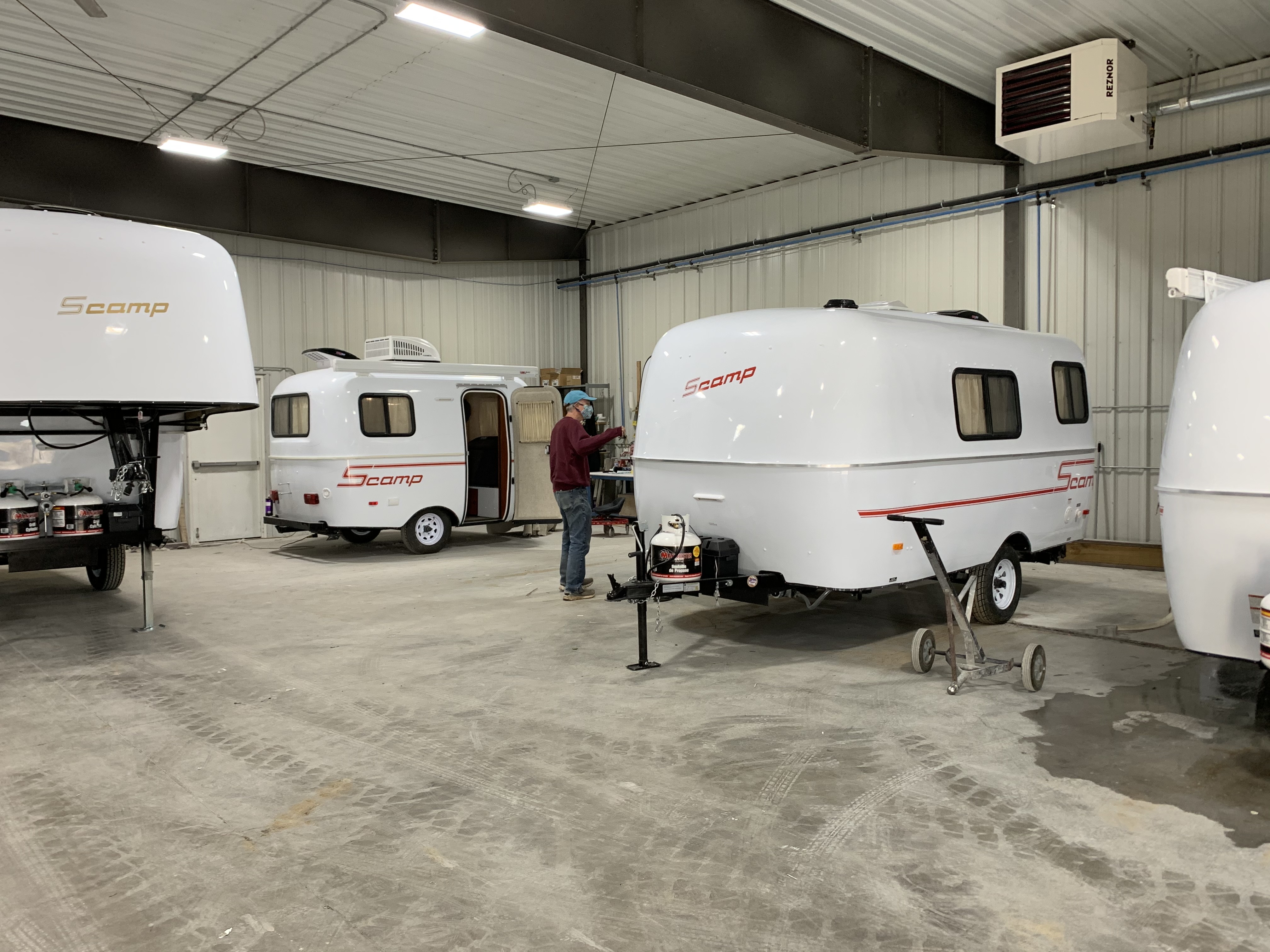
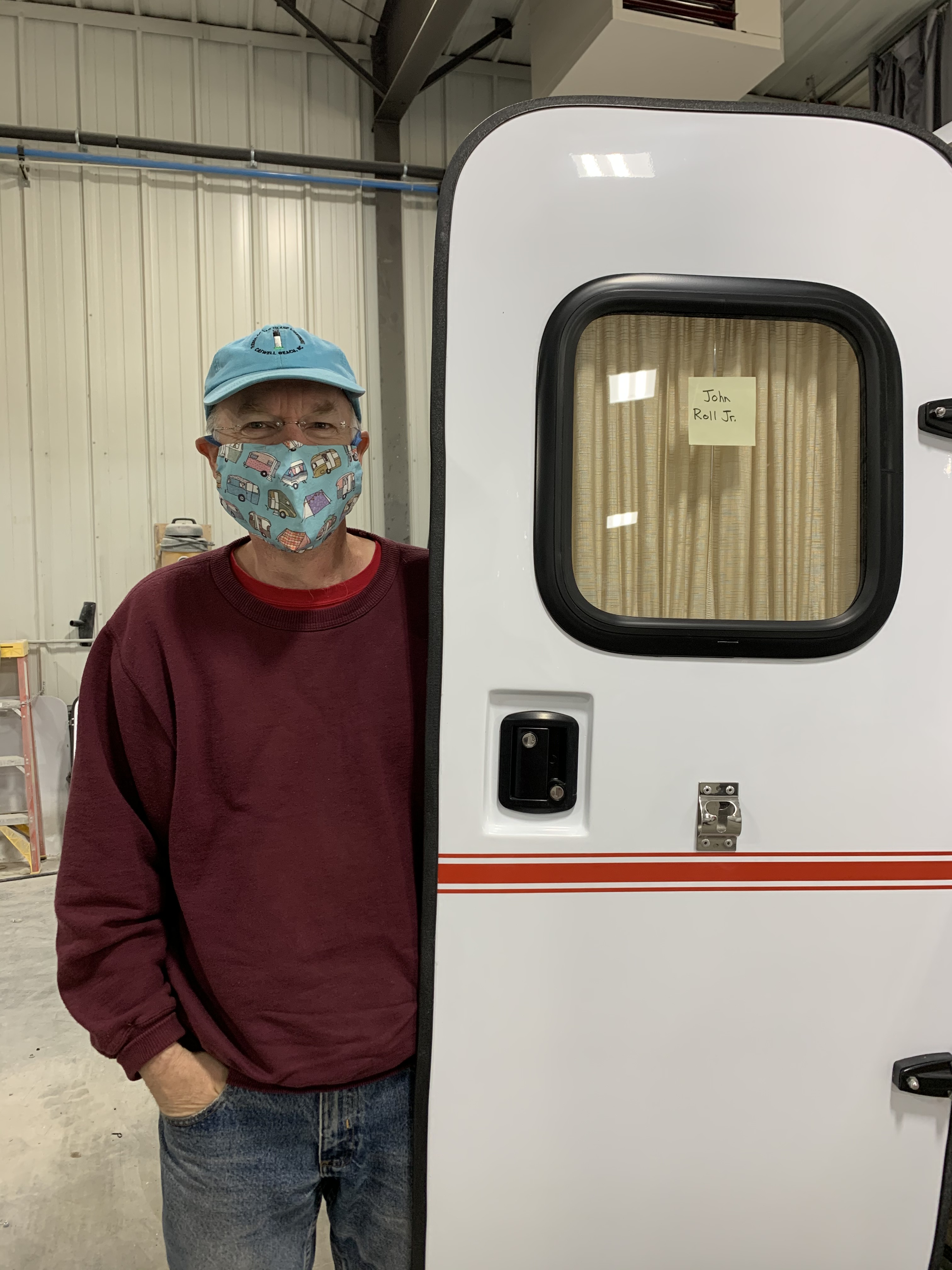
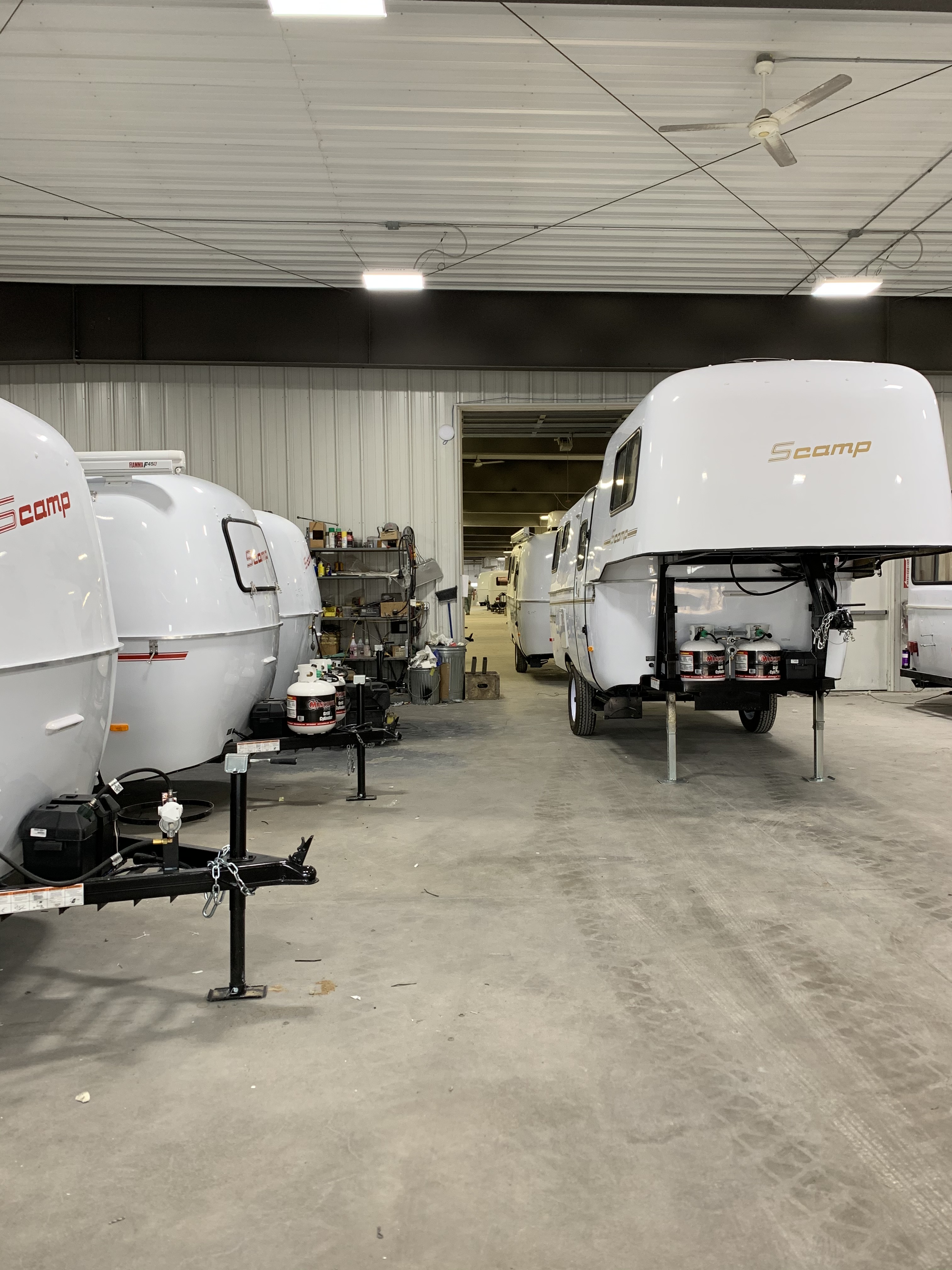
First order of pick-up is to get the walk-through of our camper. Dave showed us how everything works – inside and out. A lot to absorb, but we’ll figure it out. Time to hitch it onto the car and hand over the check to our sales person, Nick. A quick call to our insurance company and she’s ours!! Total time at the nest, 48 minutes – 36 for the camper and 12 minutes adding it to our insurance policy. We didn’t know what to expect when we arrived, but certainly not that fast!

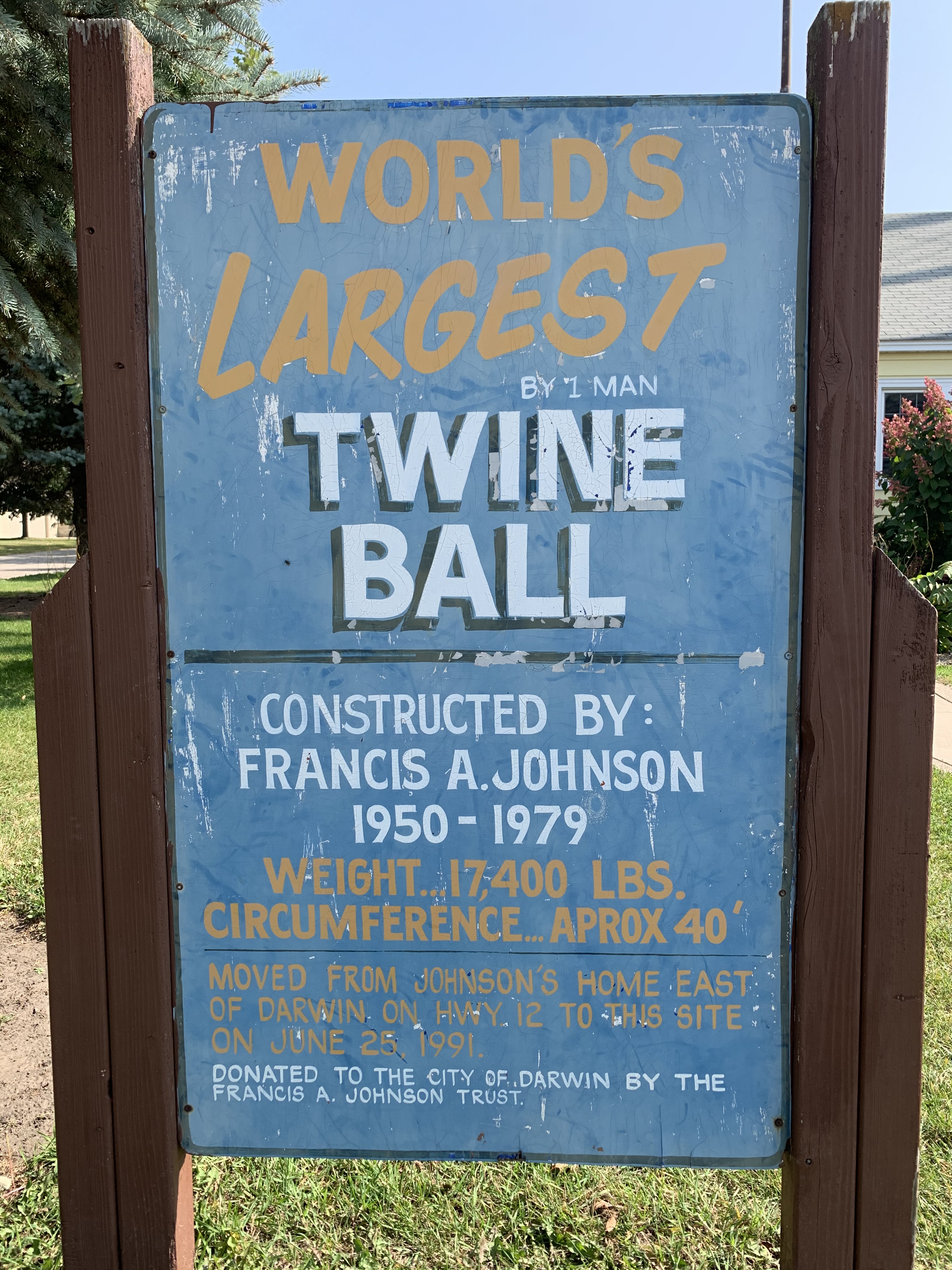
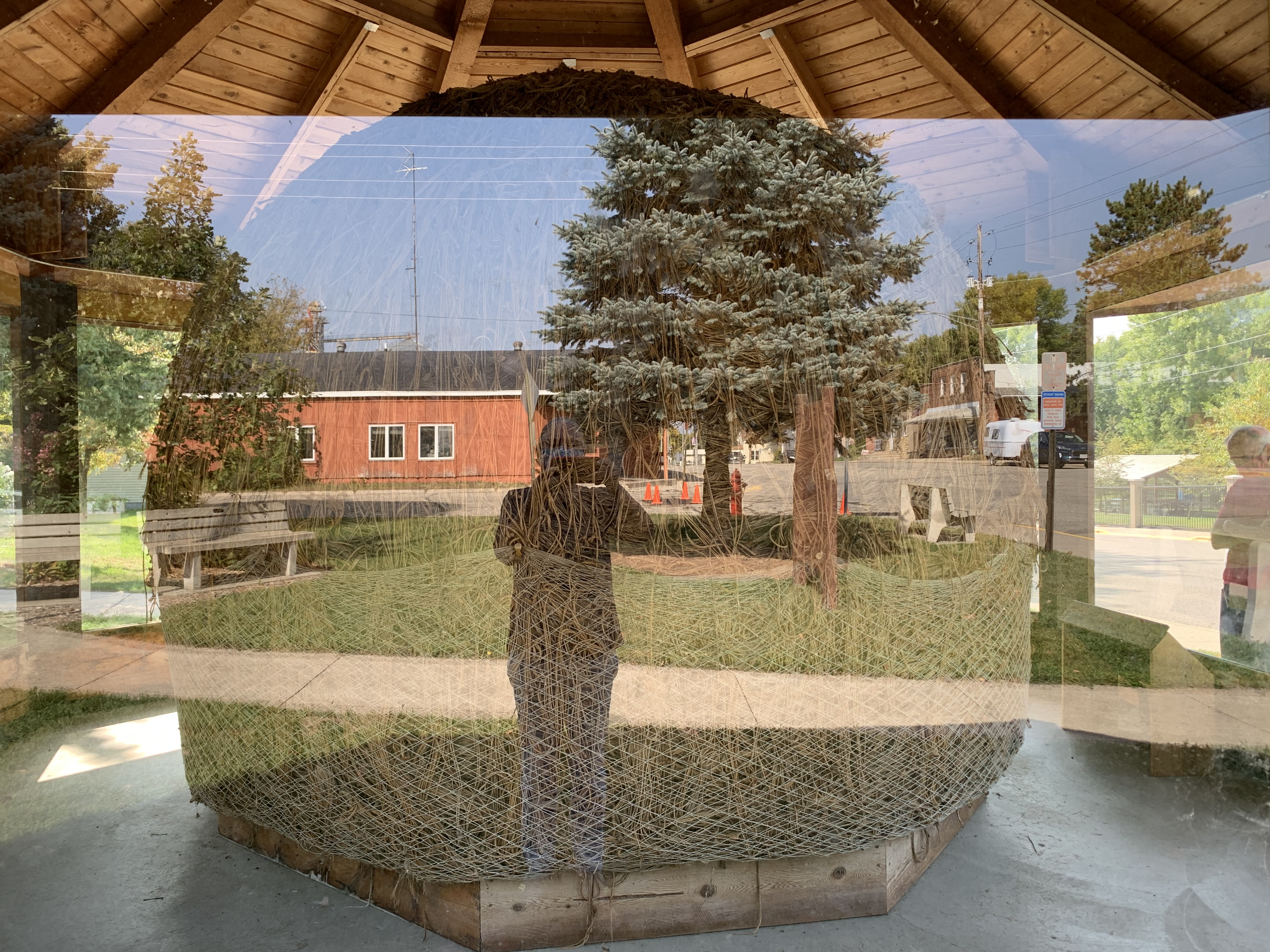
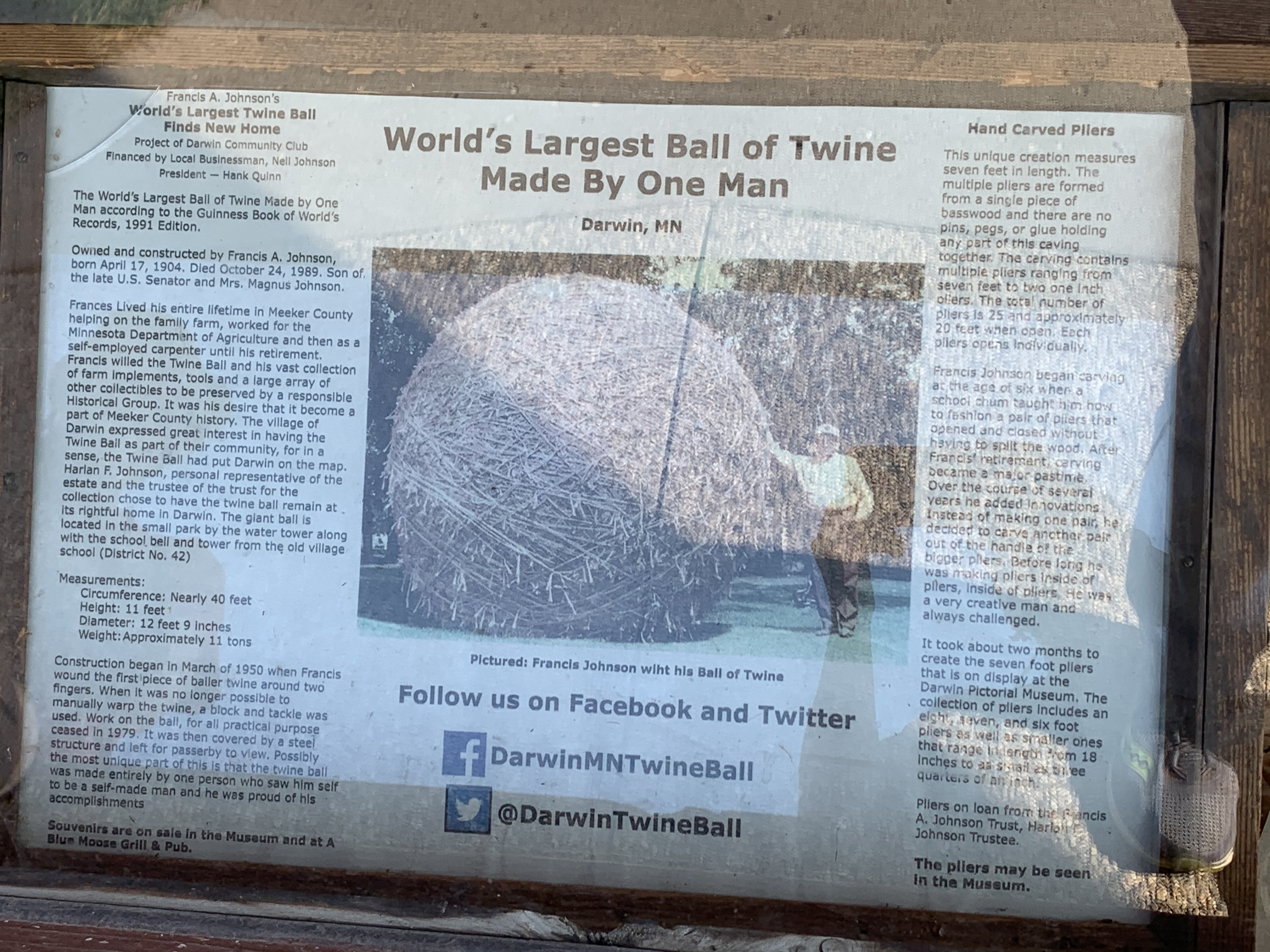
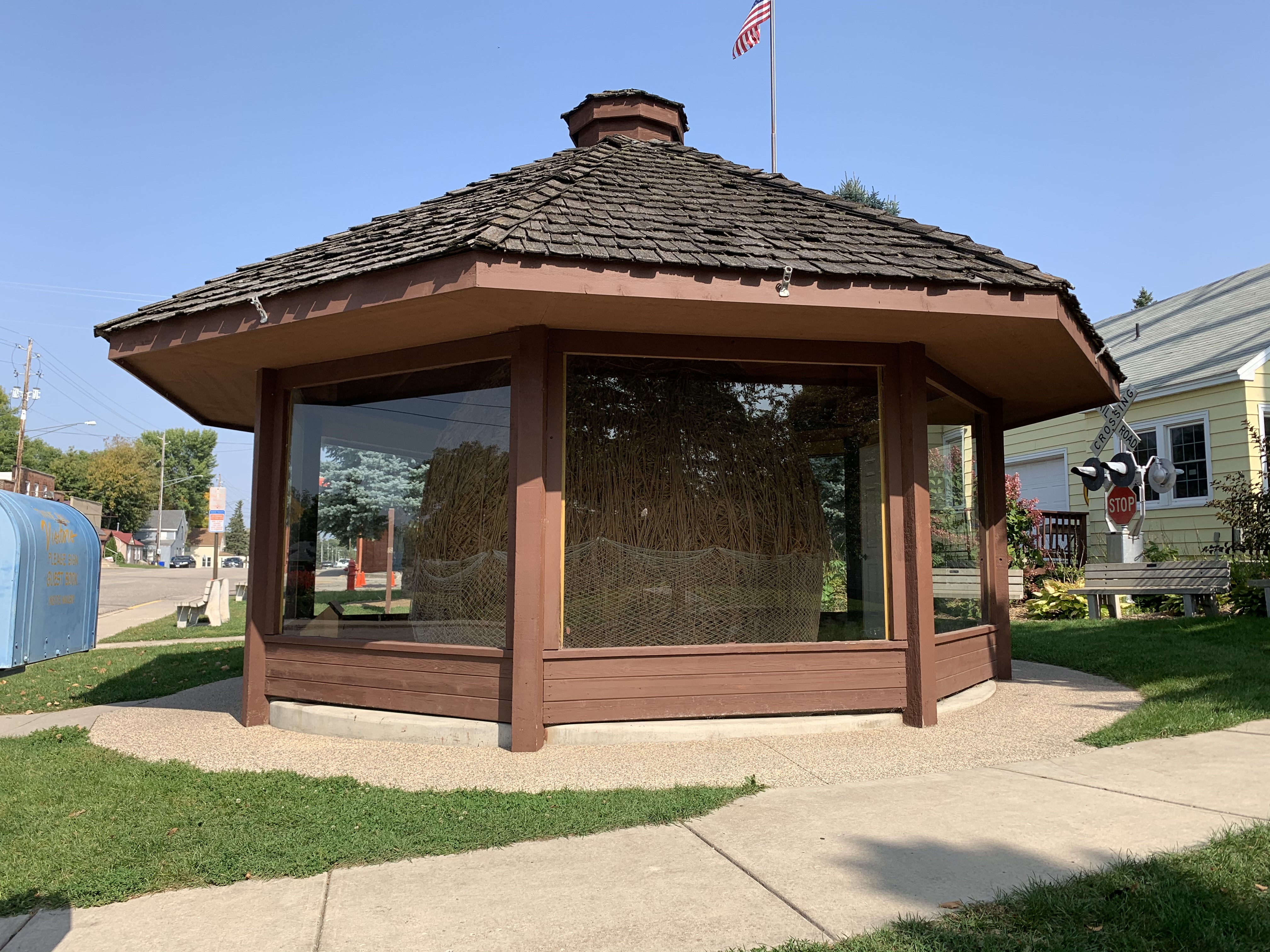
The Scamp is easy to tow, and we headed south to our next stop. On the way, we had to stop and see the World’s Largest Ball of Twine. There are several that qualify for this distinction, and the one in Darwin, MN is the largest wound by a single person. Coming in at 12 feet in diameter and 17,400 pounds, it’s pretty darn big! It held the Guinness record from its completion in 1979 until 1994. The creator, Francis A. Johnson spent 29 years winding baling twine for 4 hours every day! The ball now stands on display in the town center with a small museum and gift shop.
Atlas Obscura stops so far –

  • Mark Twain’s Study
  • Roger Tory Peterson Institute
  • Hillandale Bridge
  • Food Gatherers Giant Carrots
  • Giant Brown Trout Sculpture
  • Spoonbridge and Cherry / Giant Blue Chicken
  • Largest Ball of Twine

More to come…

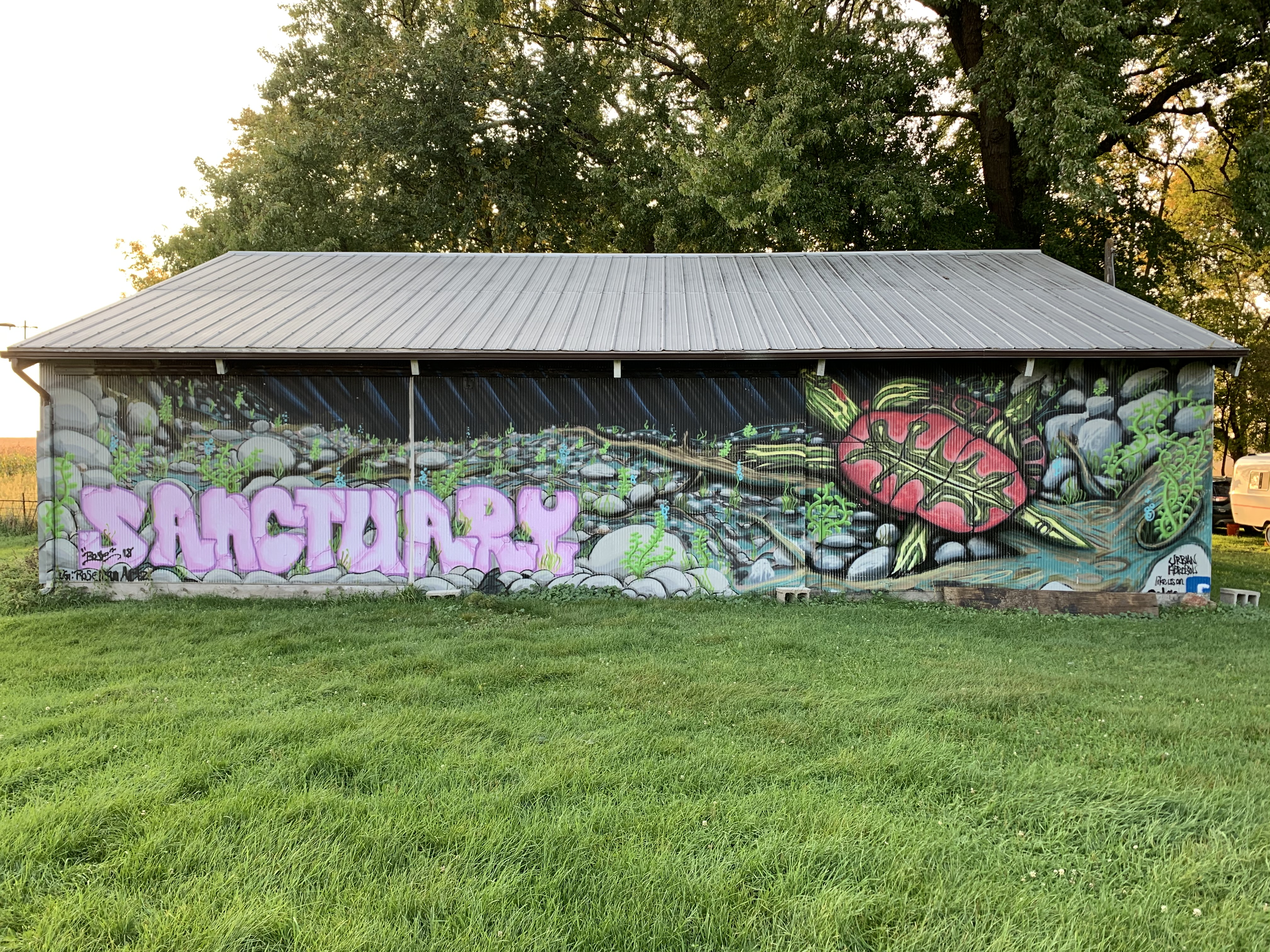
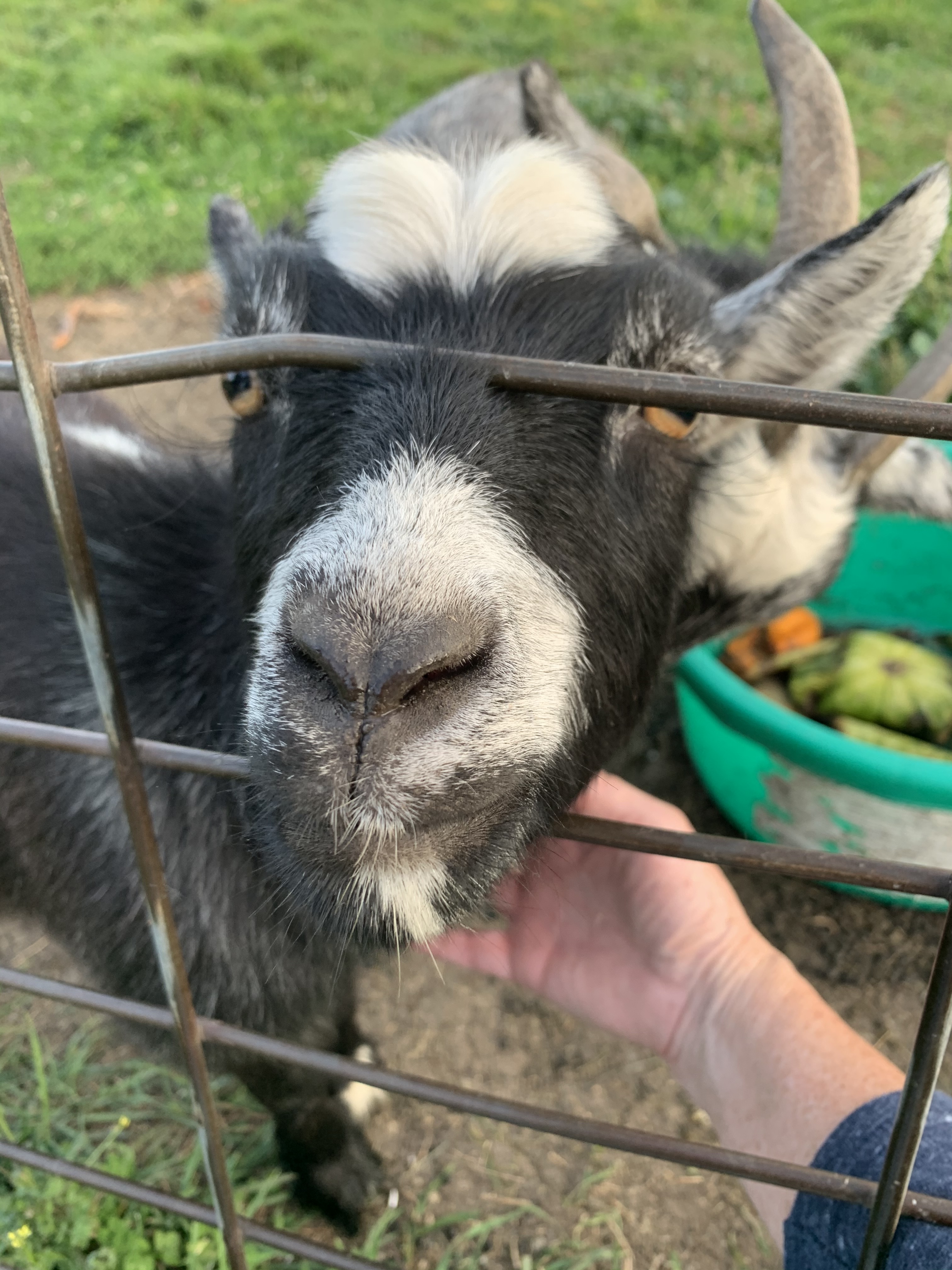
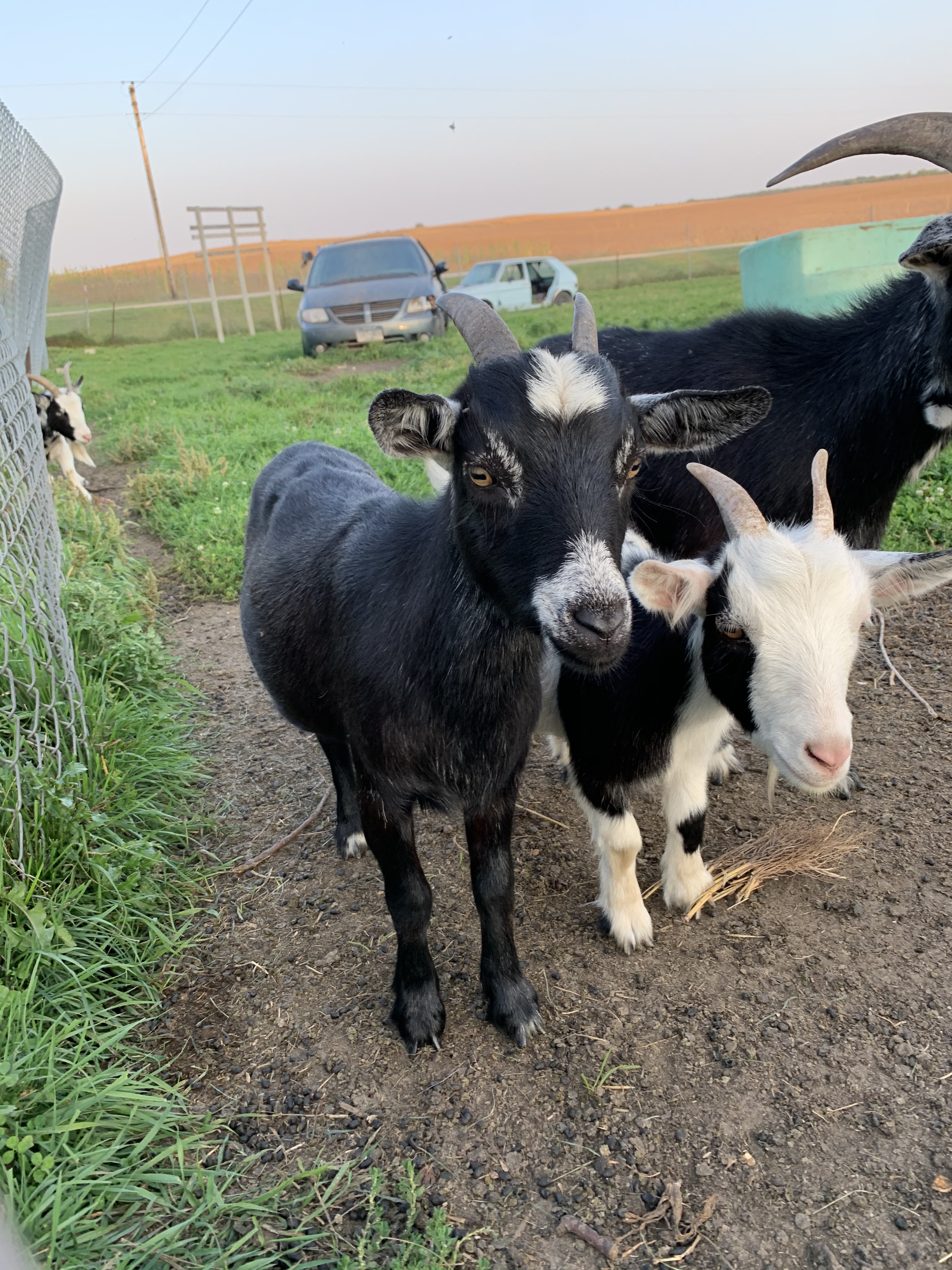
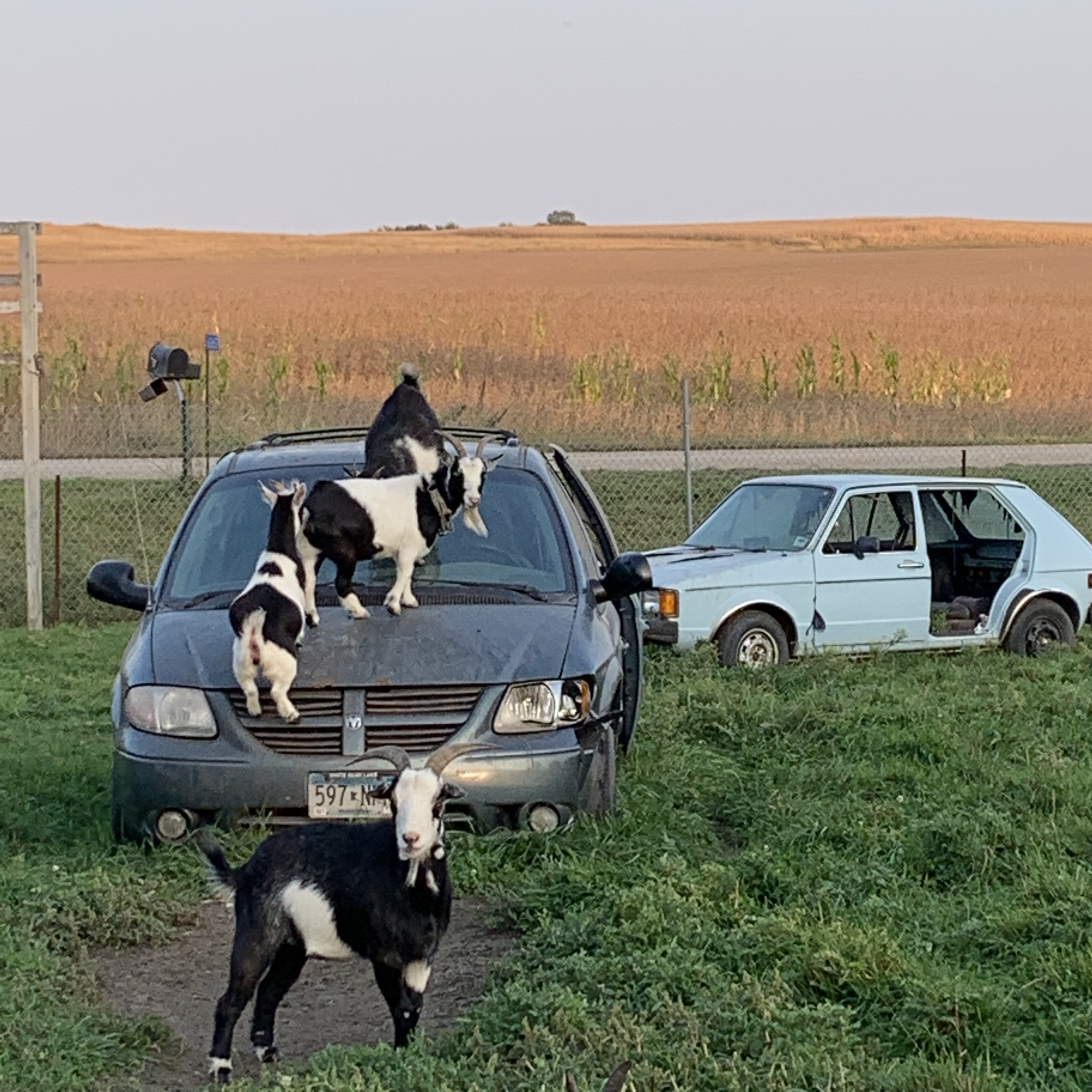
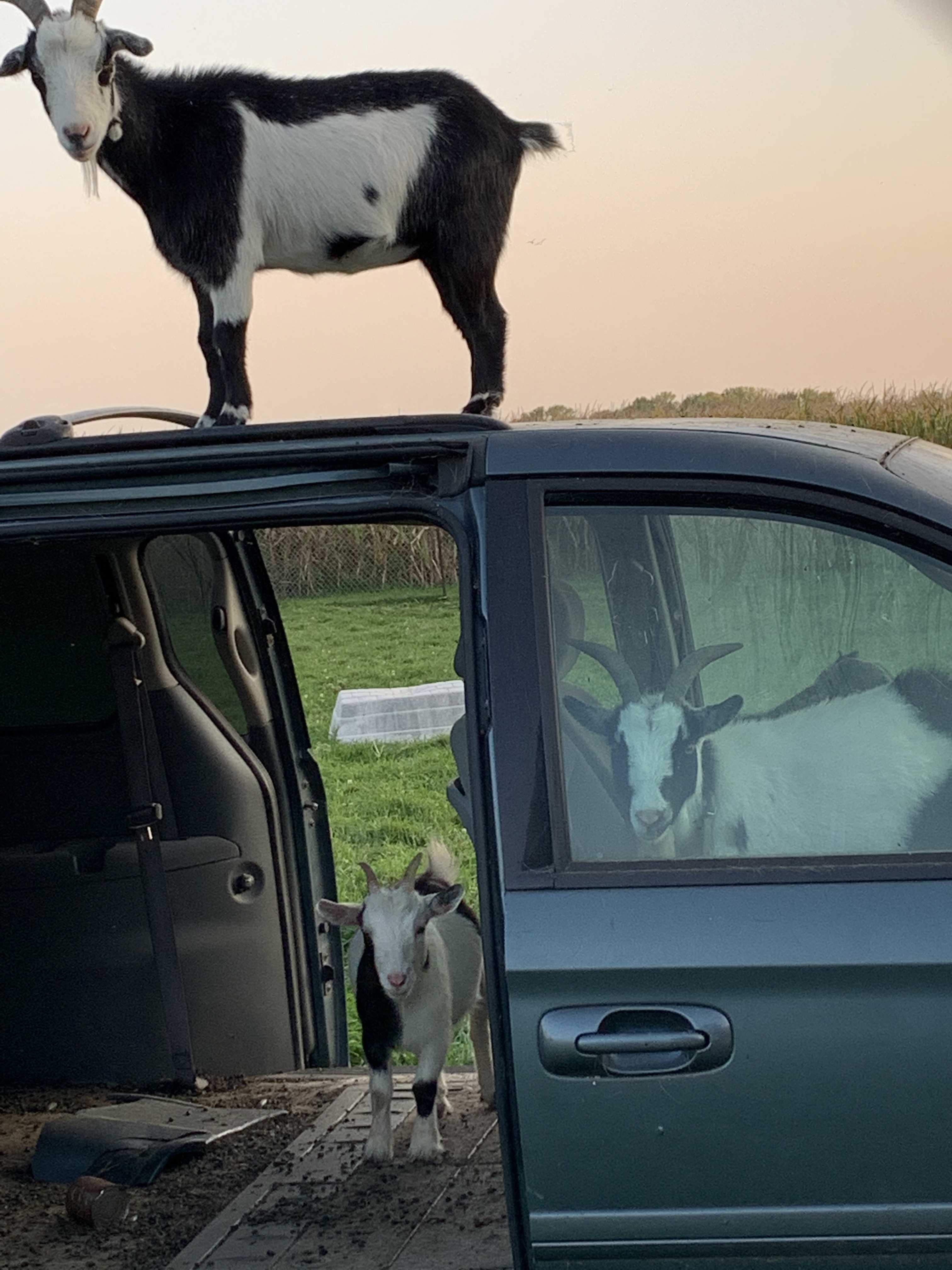
Our third Hipcamp stay was at We Have Goats – and yes, they have very cute goats! Hipcamp is a great find. We have had very different experiences during our 3 stays, but all positive. Our hosts at We Have Goats had so much more to offer than we had expected. Aside from the friendly dogs and cute goats, we had a power hookup, fresh filtered water to fill our tanks – and that hot shower felt so good!

Getting the car unloaded and setting up the camper was fun. There is a surprising amount of space and storage in the camper, but we don’t want to fill it all up right away. It will take some time to figure out what we really need for our travels. We did have a problem getting our refrigerator to start. It is set up to run on 3 power sources – 120V electric, battery power and propane. Since we had the electrical hookup, we wanted to use that. Unfortunately, the insufficient power alarm went off when we switched it to the 120V power. A call to Scamp didn’t get us an answer, and we didn’t want to turn around and drive back up. We switched it to propane and said we’d make some calls in the morning. We got someone from Scamp to walk us through some troubleshooting, and found out that they hadn’t plugged the fridge into the power outlet. We fished out the cord and plugged it in – problem solved!
Crossing Lake Michigan

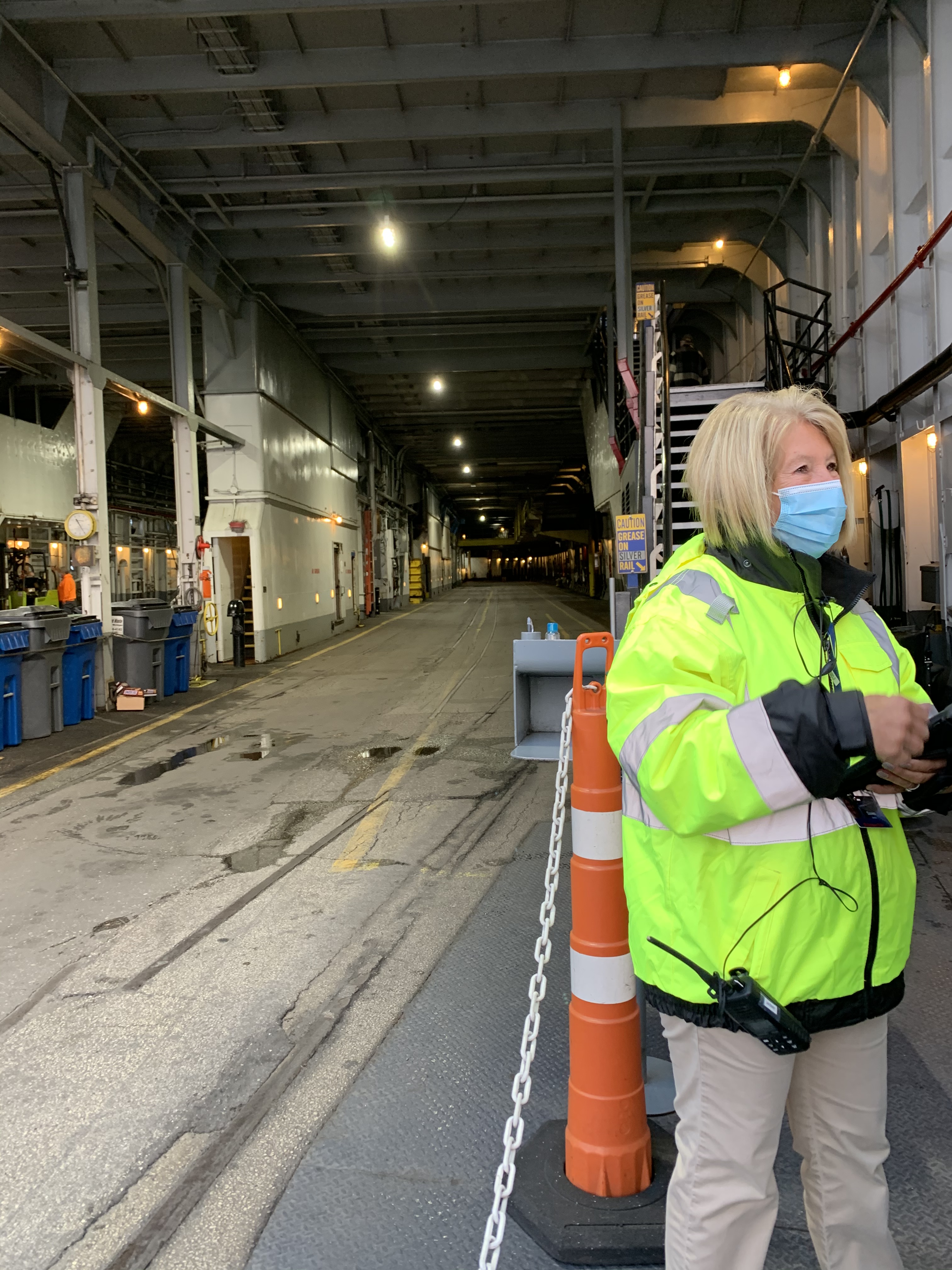
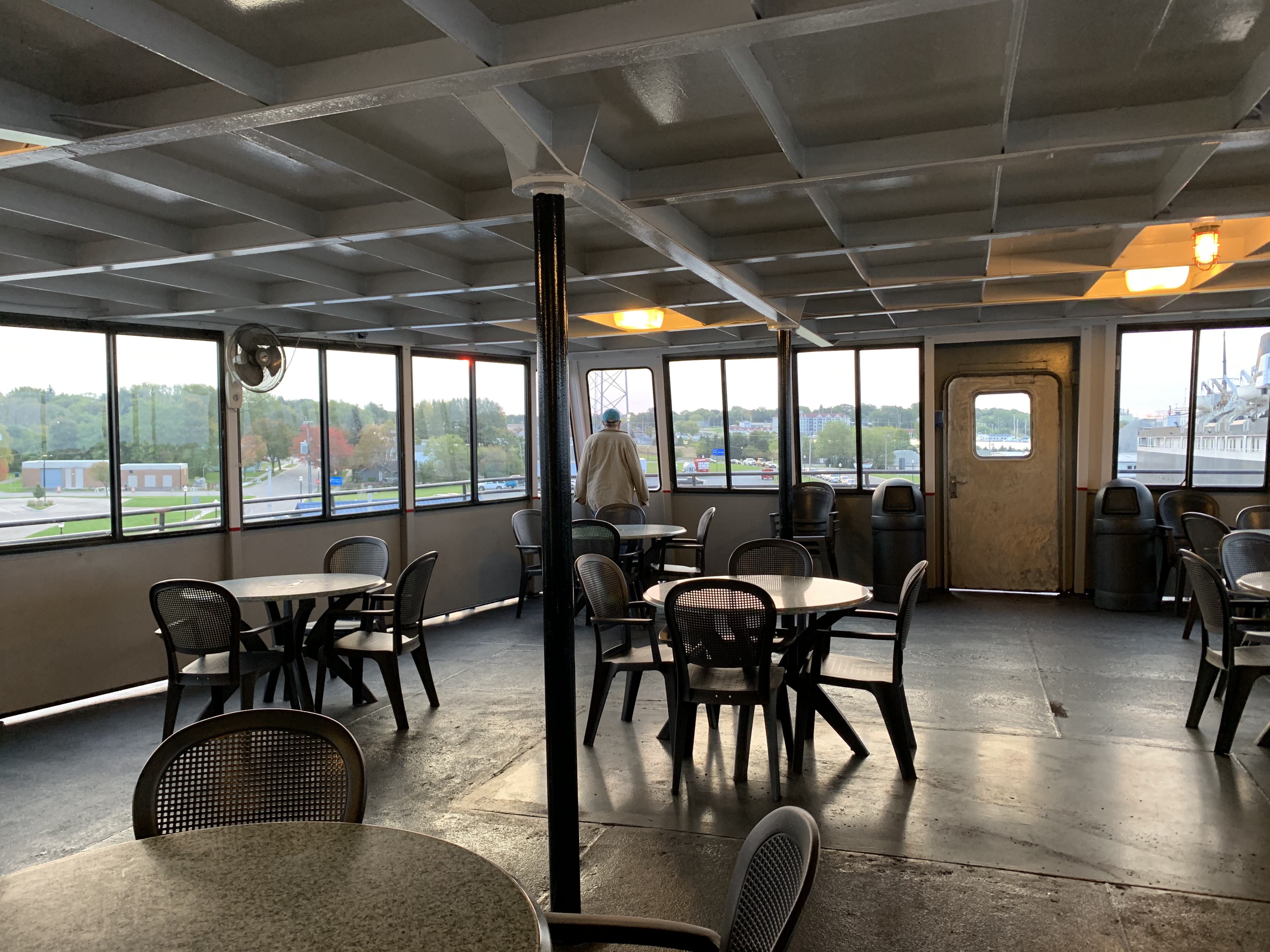
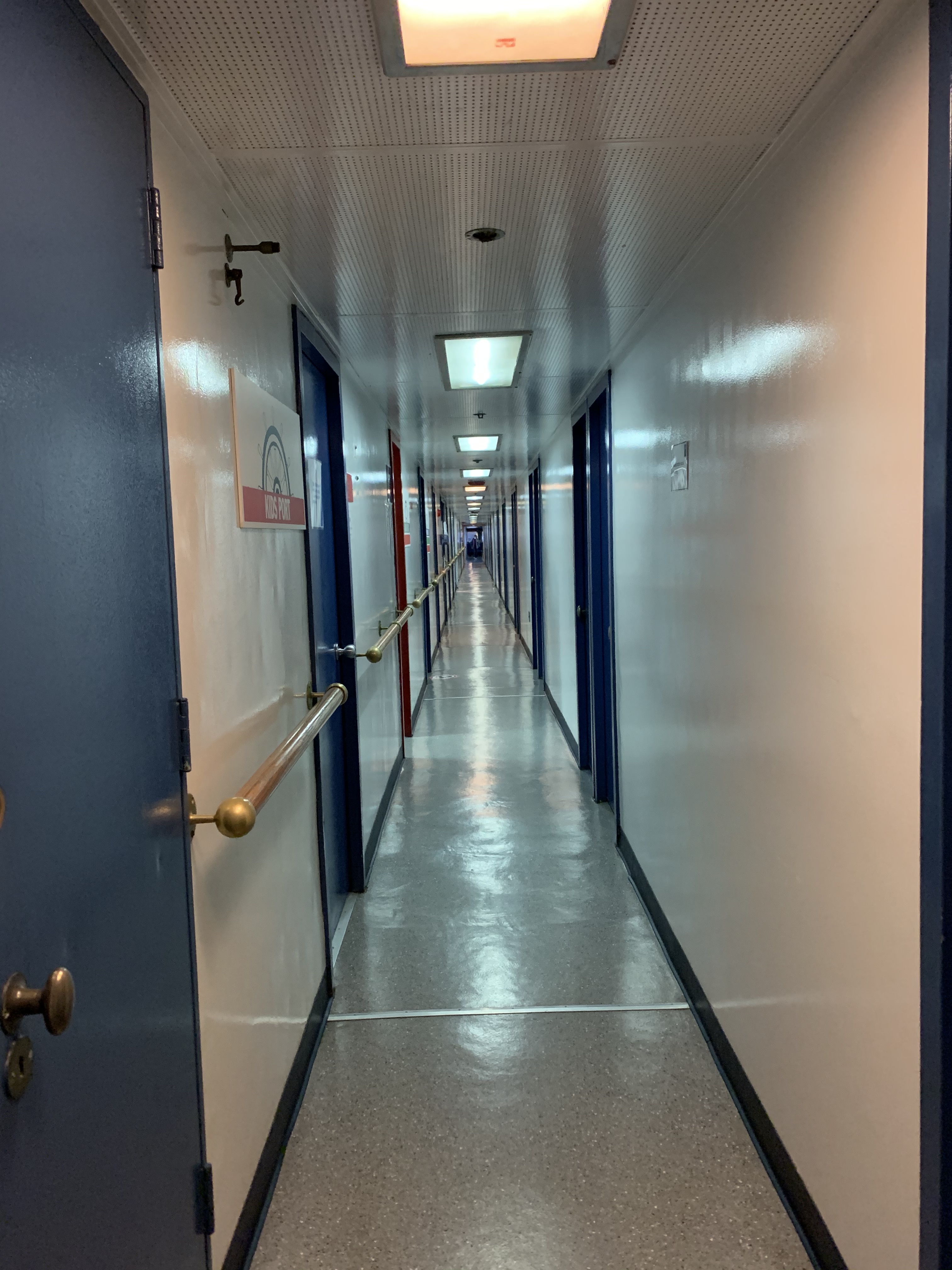
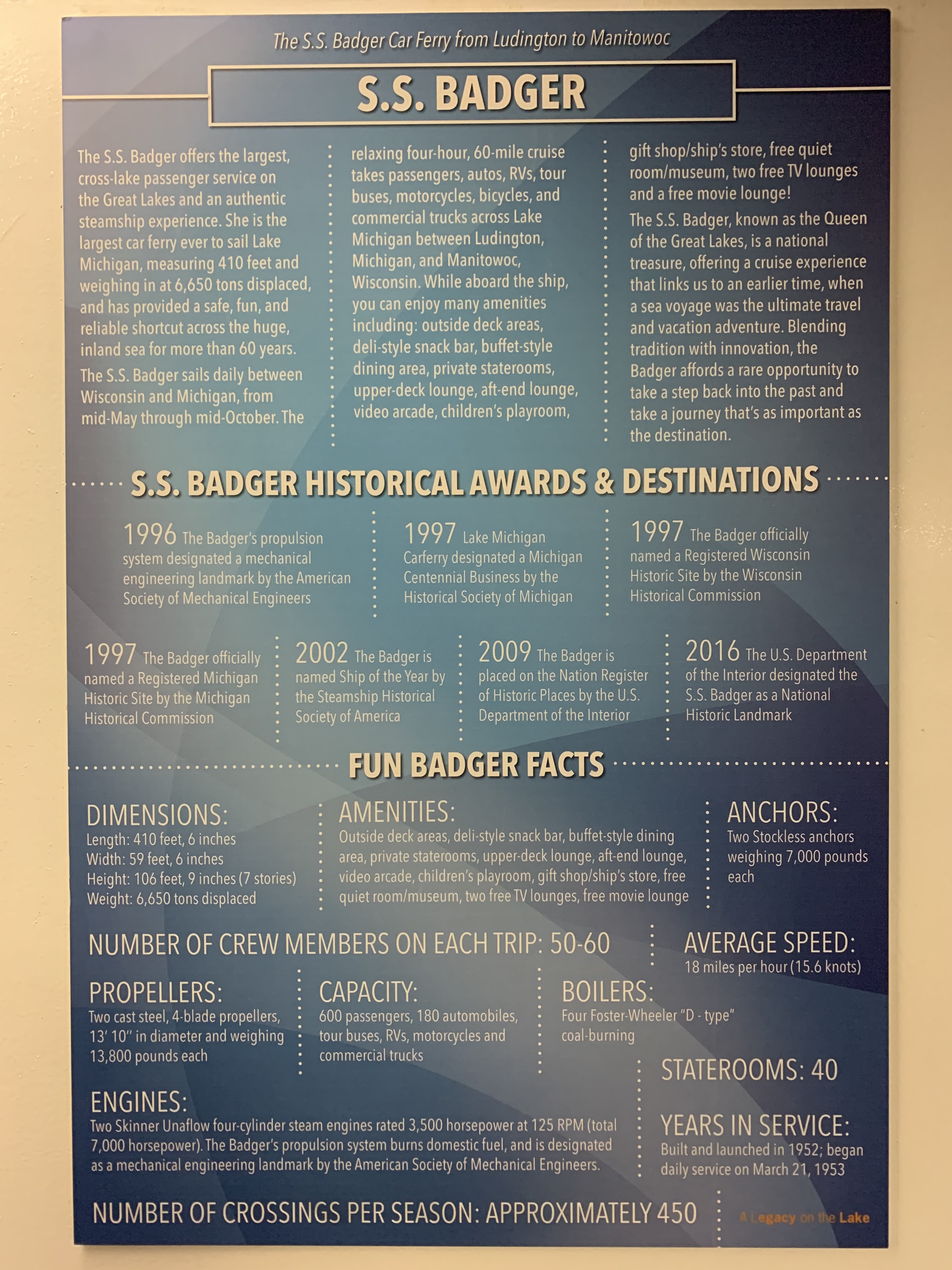
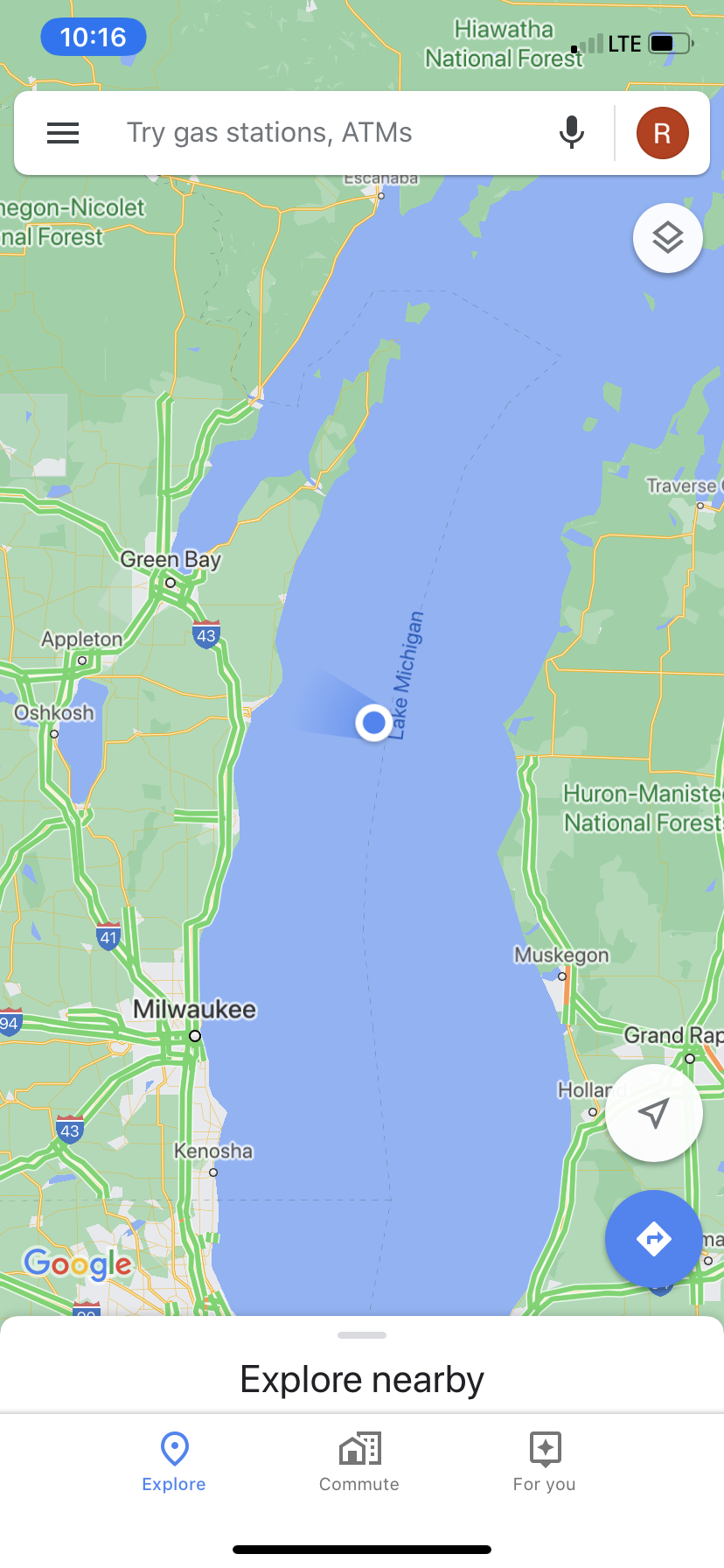
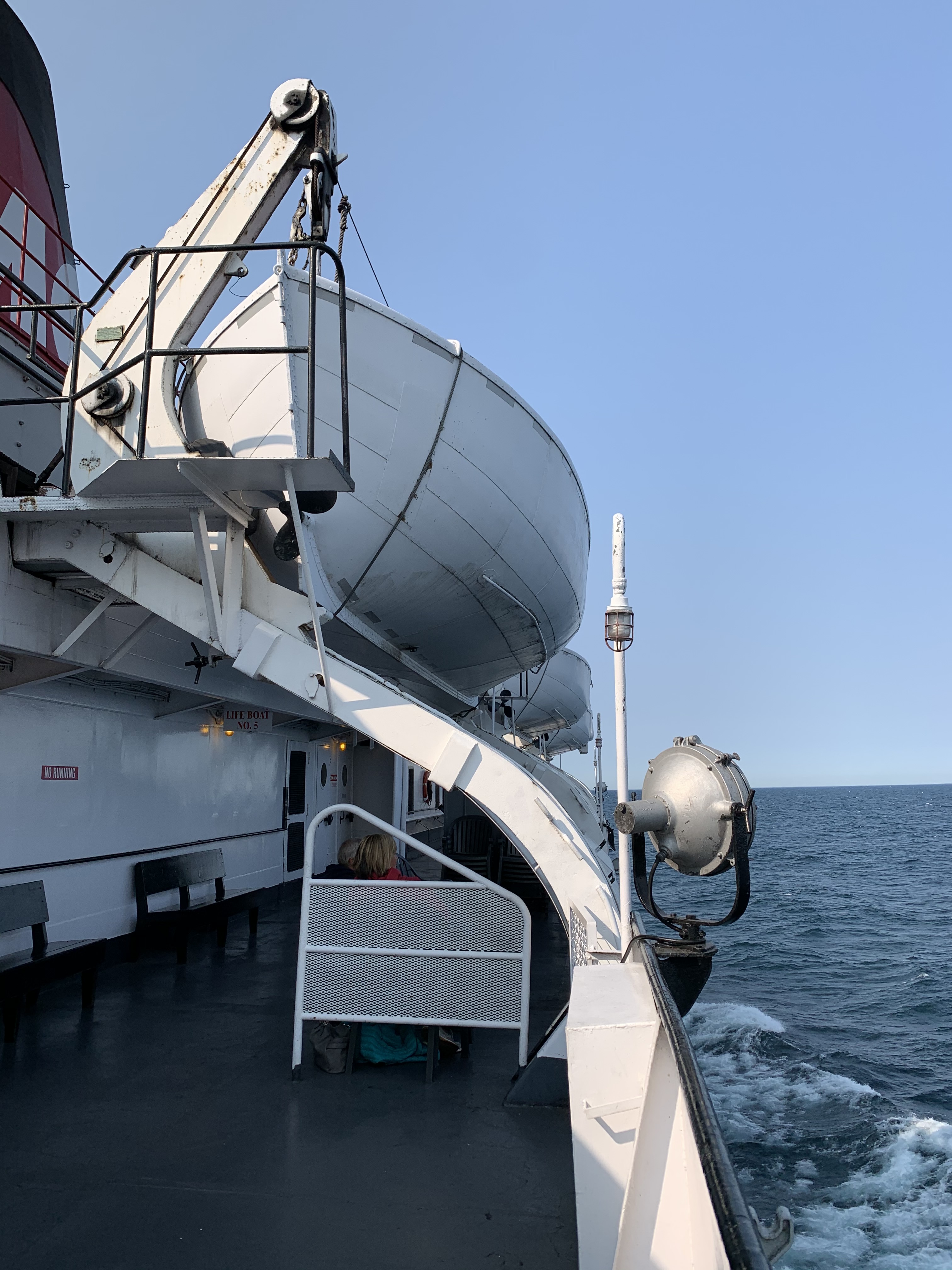
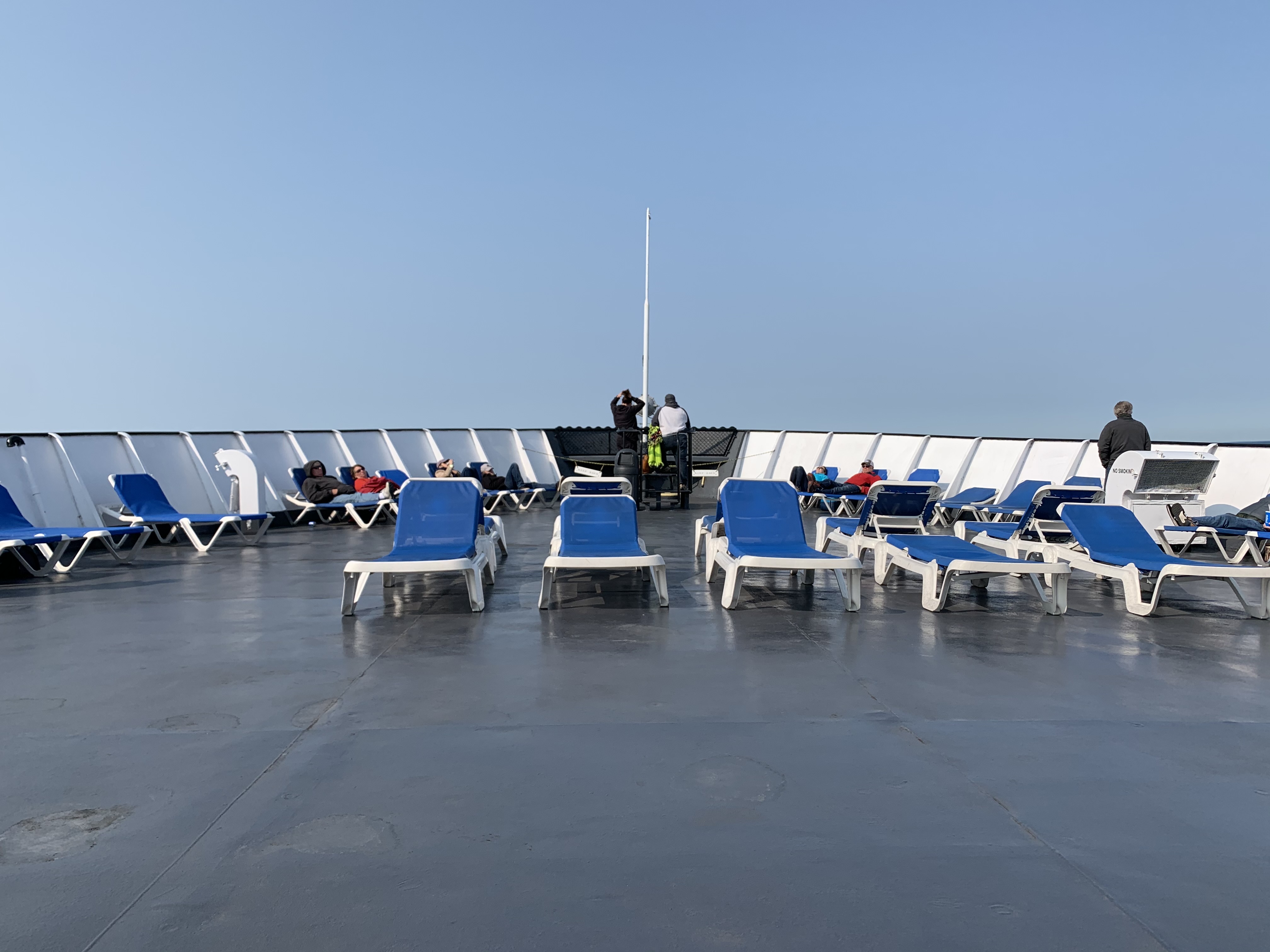
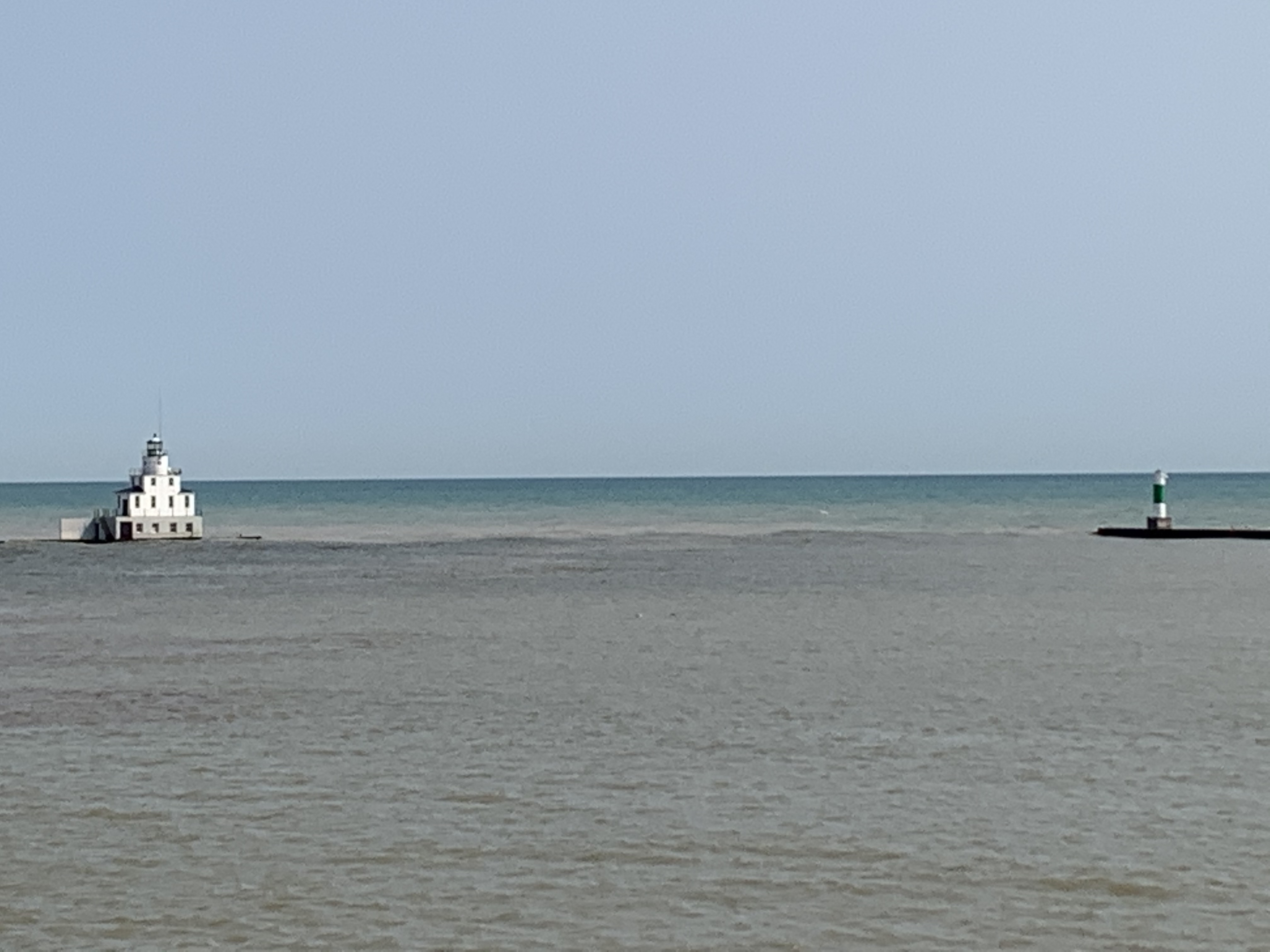
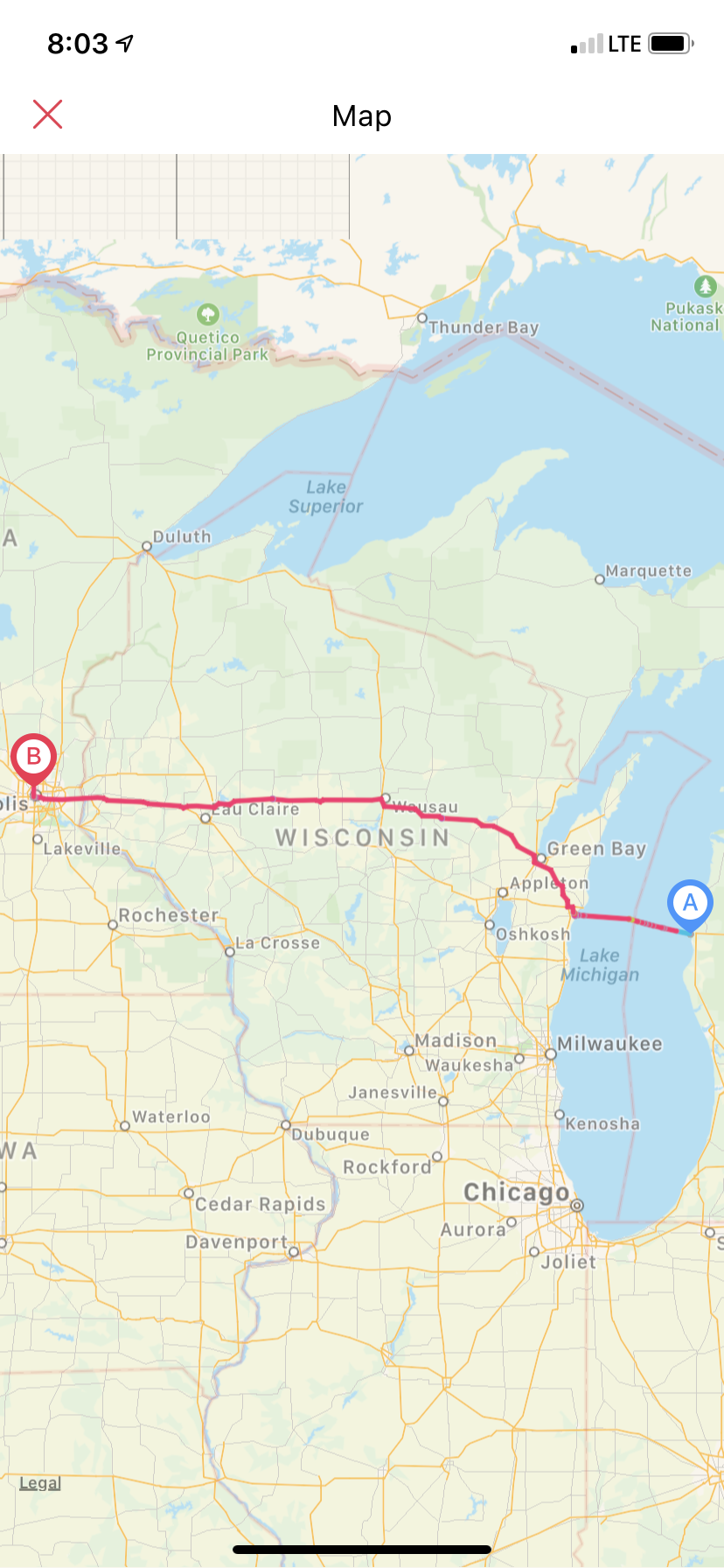
While the rest of the campground was still fast asleep, we packed everything back in the car (and I mean packed) and headed off to find the ferry. We were second in line and waited while the sun came up. The SS Badger has been a ferry on Lake Michigan for almost 70 years. She has a capacity of 600 passengers and 180 vehicles. We were nowhere near full capacity, and John and I shared the Upper Deck Café area with about 10 other folks. The lower deck areas were more crowded, but we were ok with missing out on the bingo, trivia games and movies. The SS Badger slogan – Big ship, more fun! The lake was a little rough, giving us a slightly rocky ride, but it was a beautiful day to be on the lake. 4 hours later (3 by the clock, as we moved to the next time zone) and we landed in Manitowoc, WI.

Second car on the ferry meant second car off, so we were on the road quickly. Just north of the city we passed the Biden motorcade heading in the other direction. It would have been fun to join in, but that darn Covid keeps getting in the way!

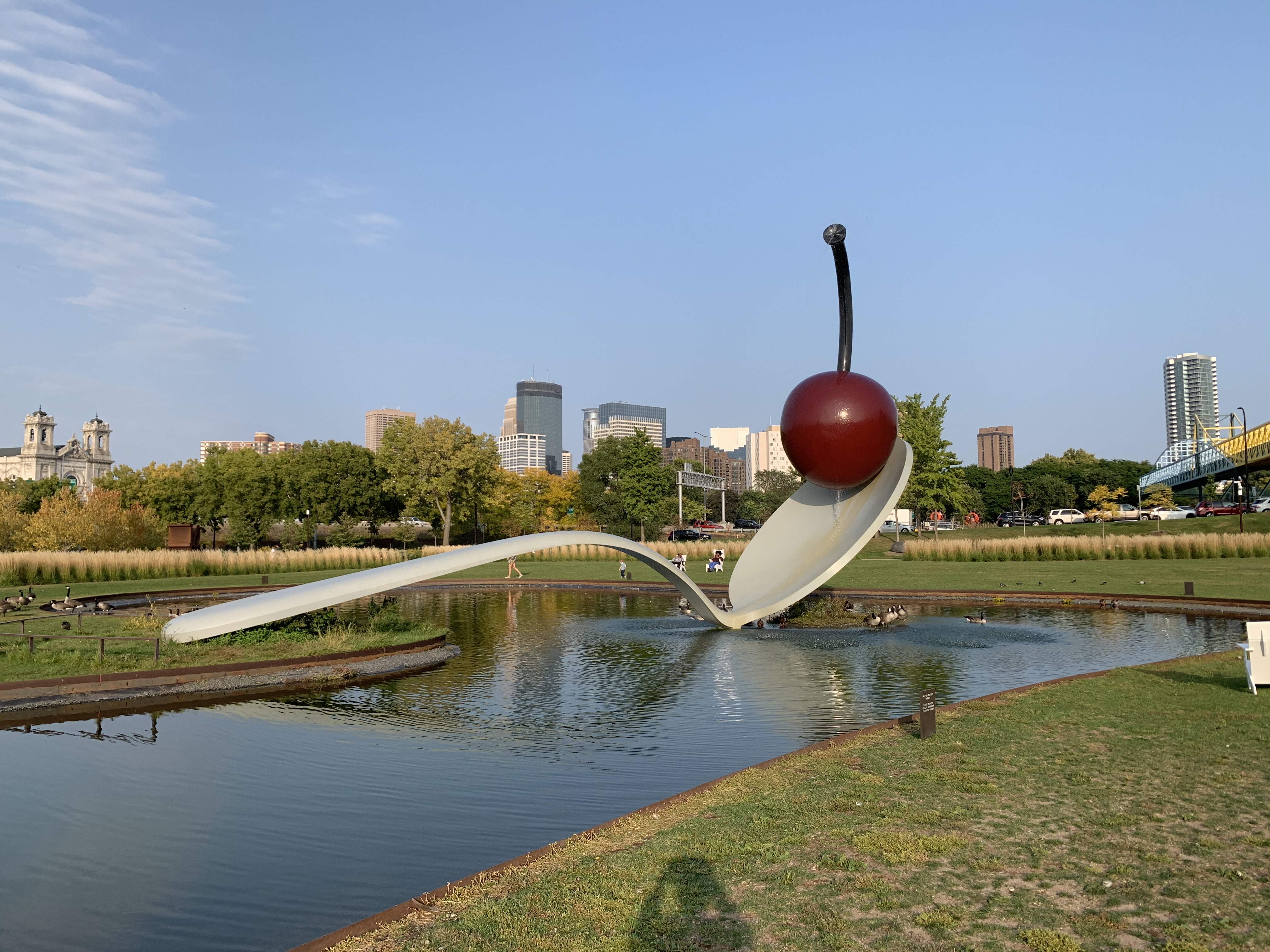
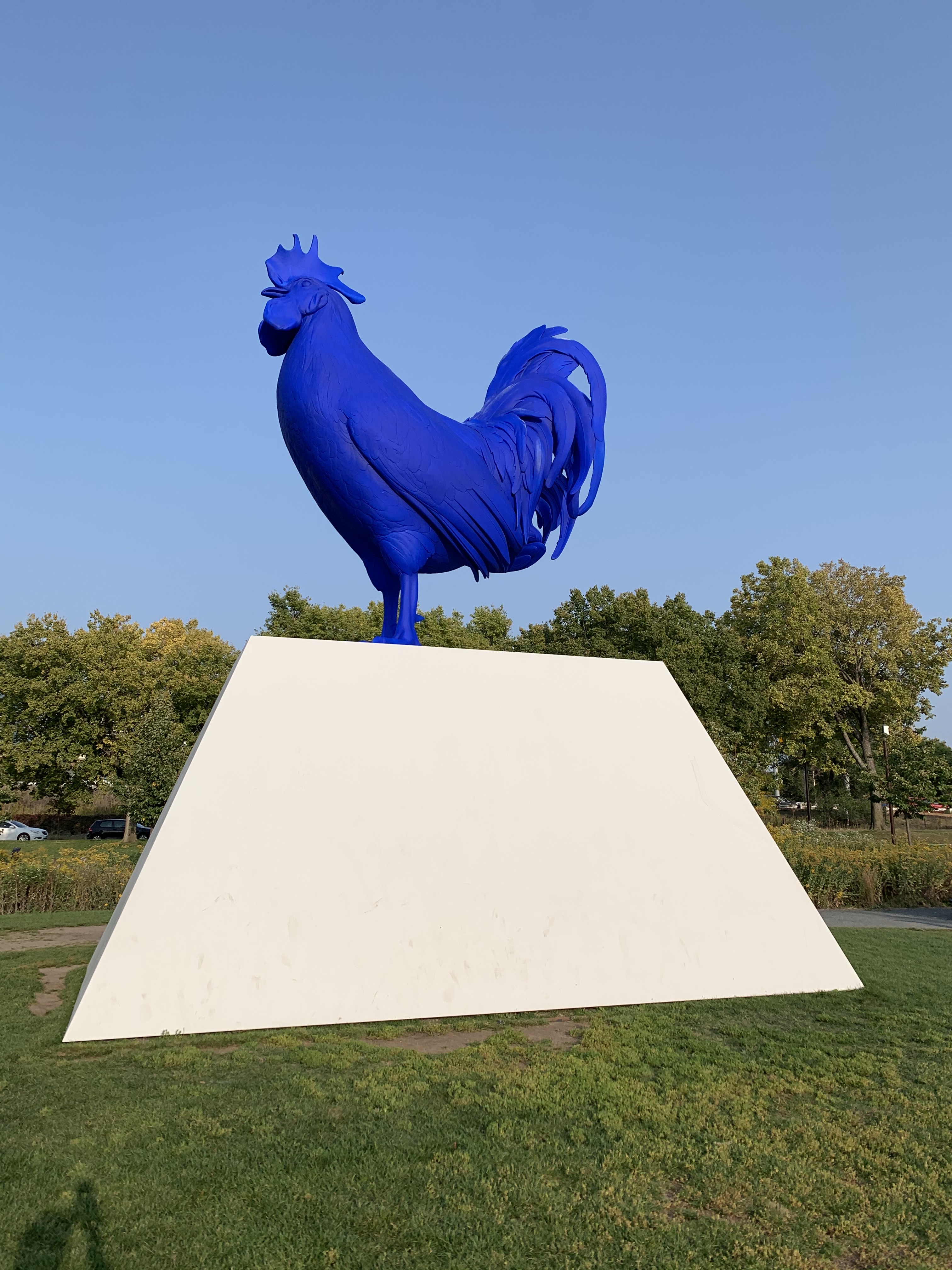
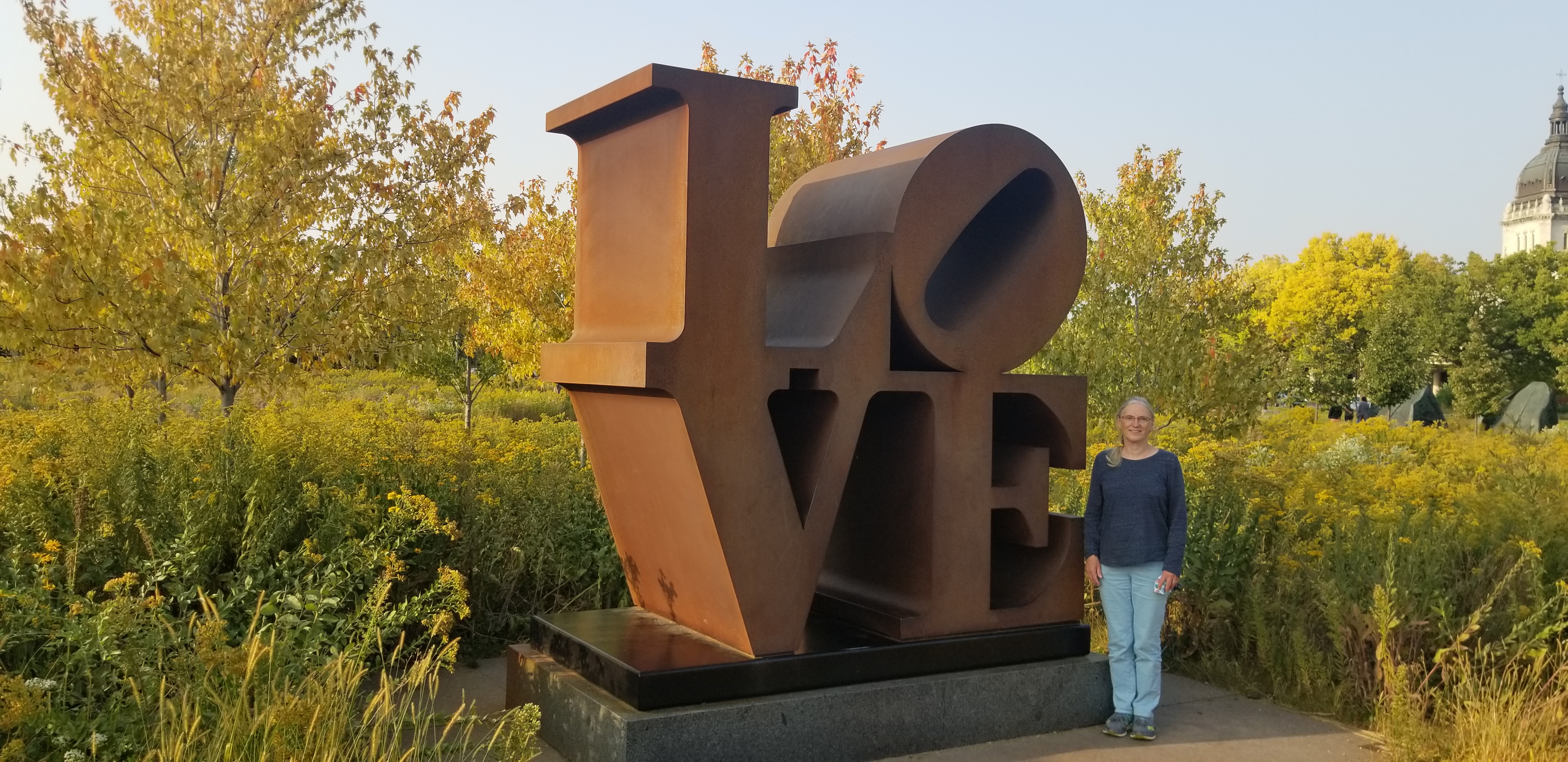
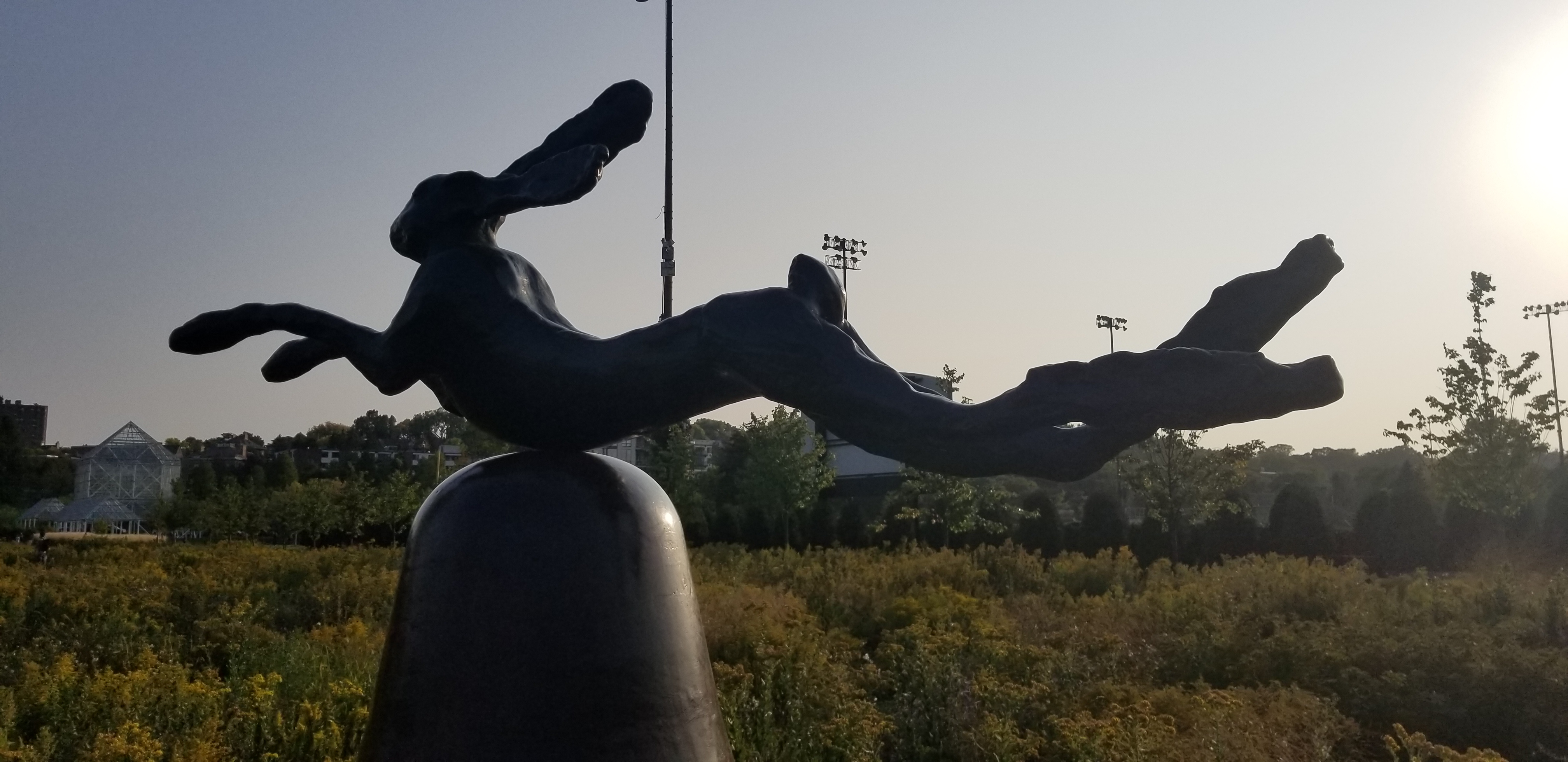
Next stop was Minneapolis to wander in the Sculpture Park, another stop on our Atlas Obscura tour to see the Spoonbridge and Cherry and giant blue rooster . Fun sculptures, nice gardens, and a pleasant break to stretch our legs. It seems like a popular spot for families to spend time – lots of kids running around and families enjoying the nice weather.

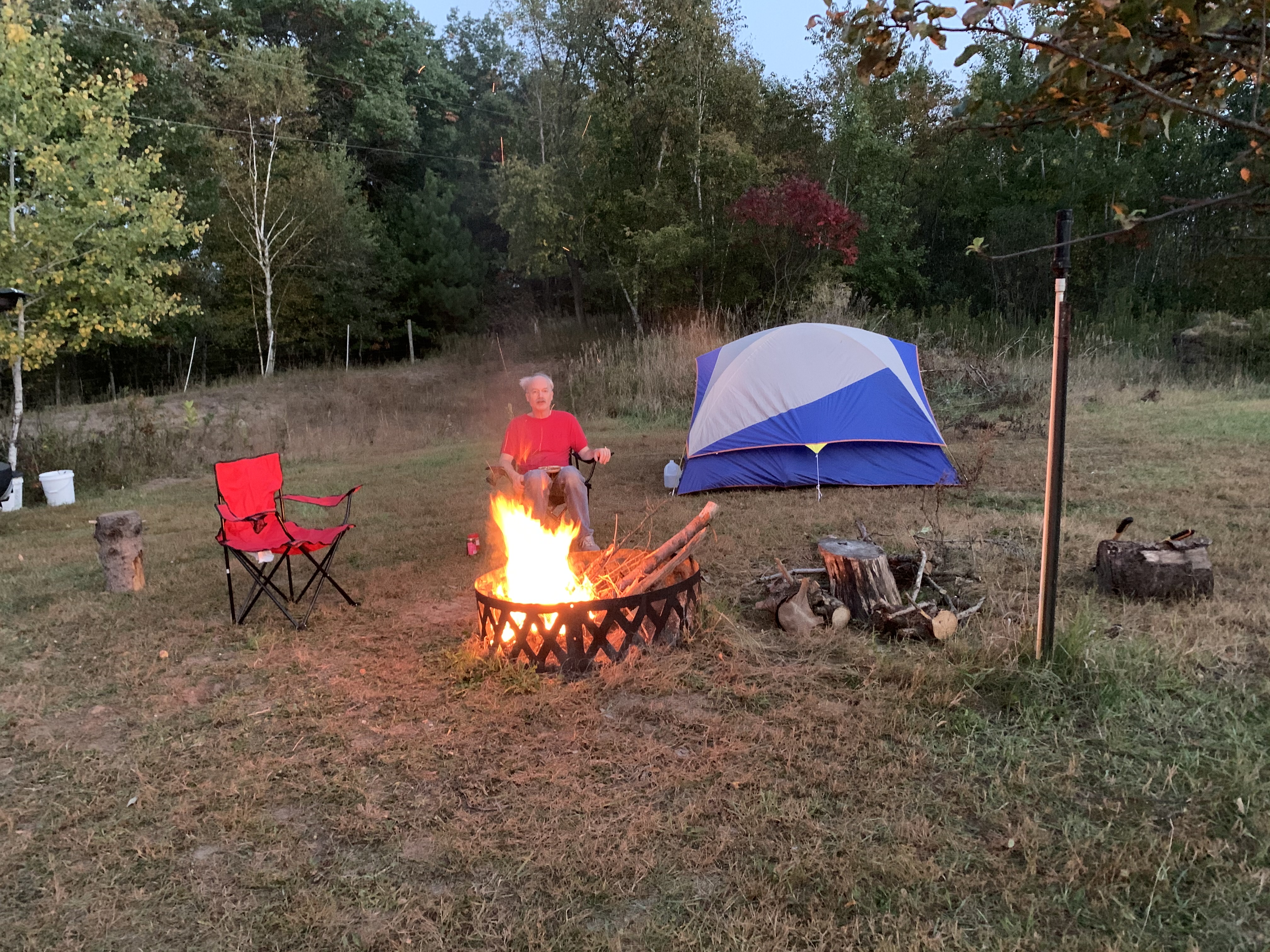
A short drive north brought us to our next Hipcamp location. This was Flying “L” Vineyard in Isanti, MN. We had a nice spot for our tent in a field with young fruit trees. There was another group camping on the other side of the property near the vineyard, but far enough away that we couldn’t tell they were there. Our host provided lots of firewood, so we sat by the roaring fire after sunset. We thought we heard a fox yapping as we were turning in for the night, but otherwise had a quiet night. Up again early to make our camper pickup appointment!!

Ohio to Michigan

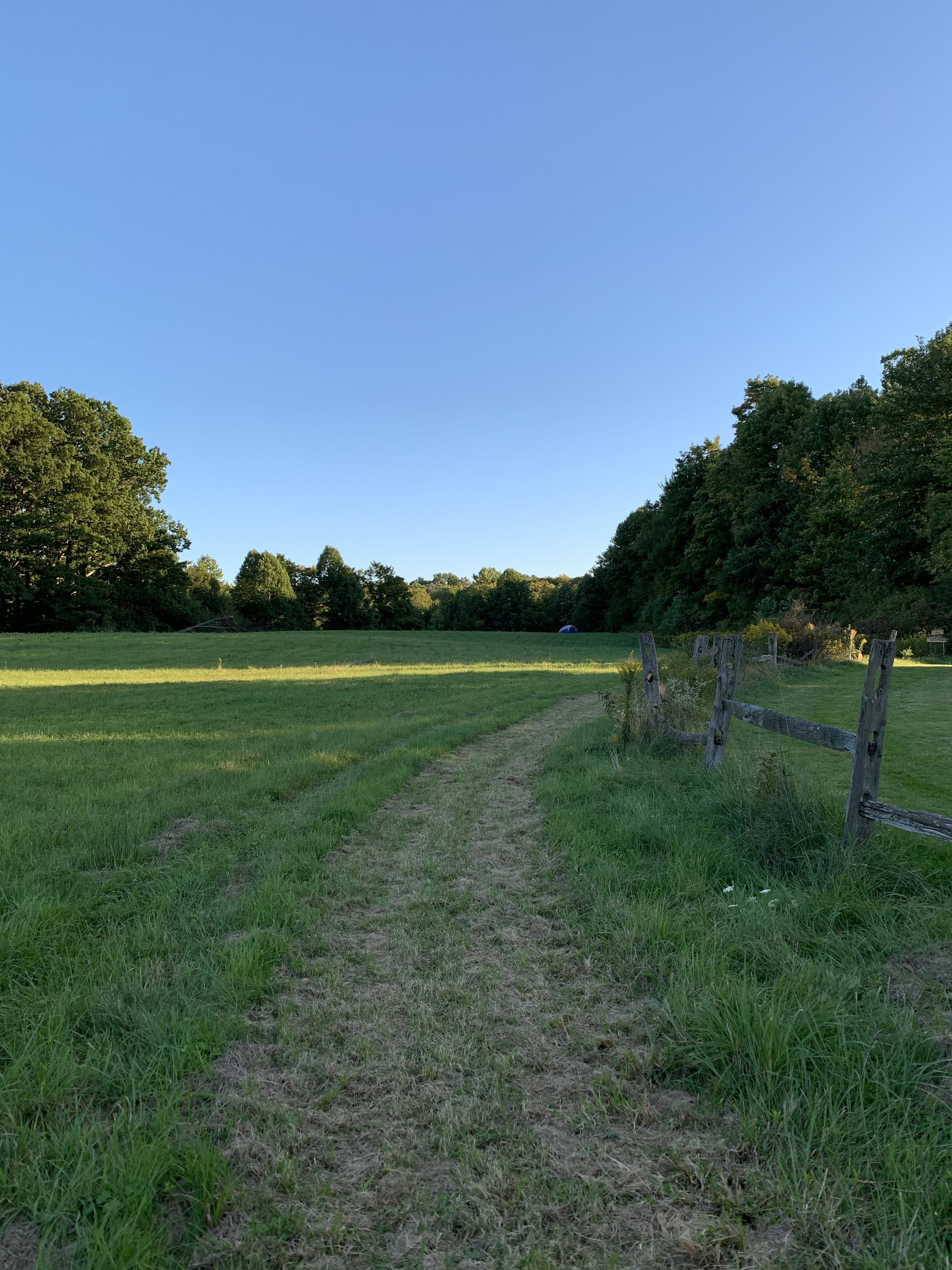
Another early morning rise in the hay field in Chardon, OH. Being farther west in our time zone, sunrise and sunset are almost an hour later than at home. The temperature dipped to 37^O^, but we managed to stay warm in our tent (just barely ). Sleeping bags stuffed and tent rolled up, we bid farewell to our first Hipcamp site.

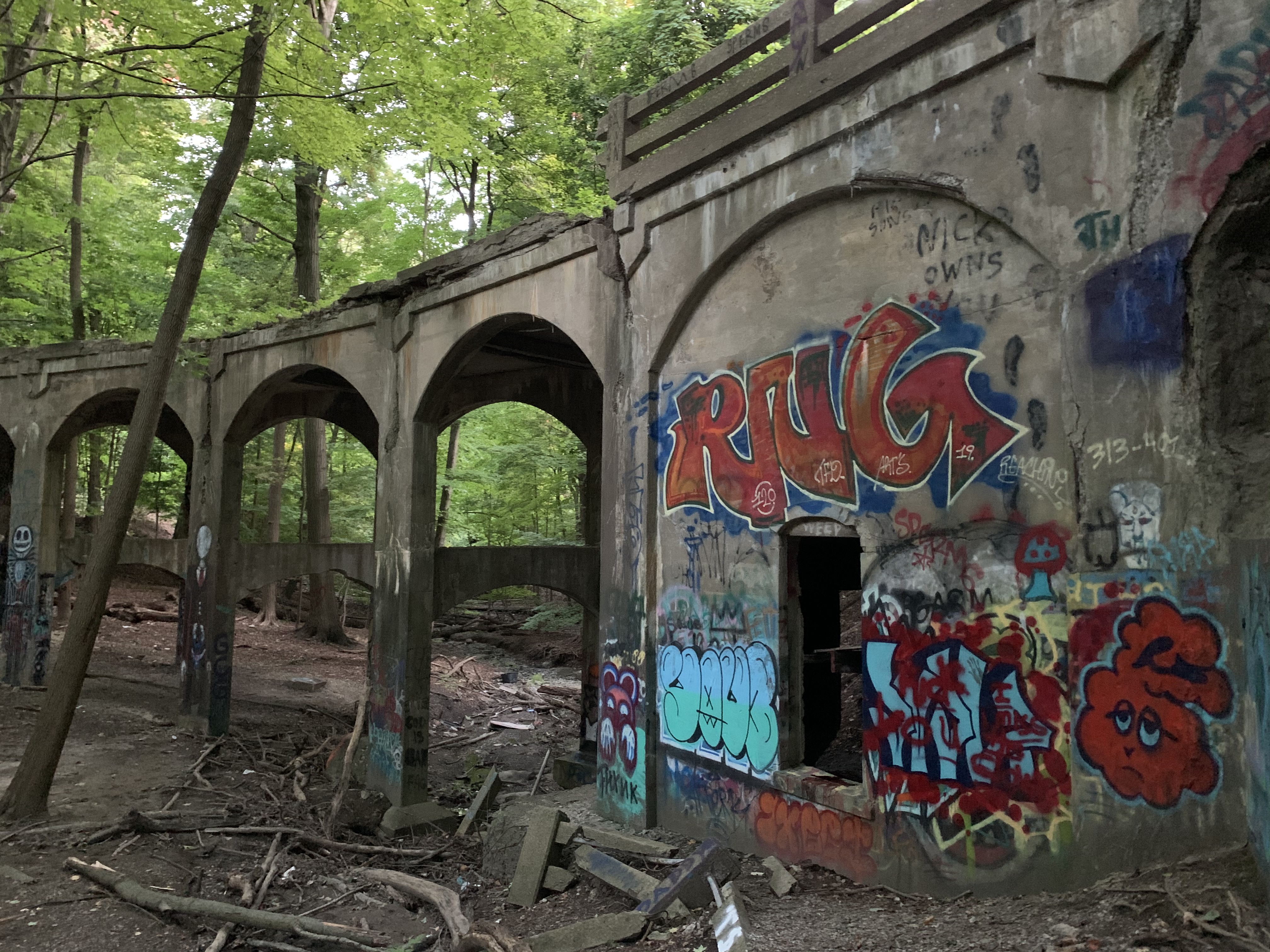
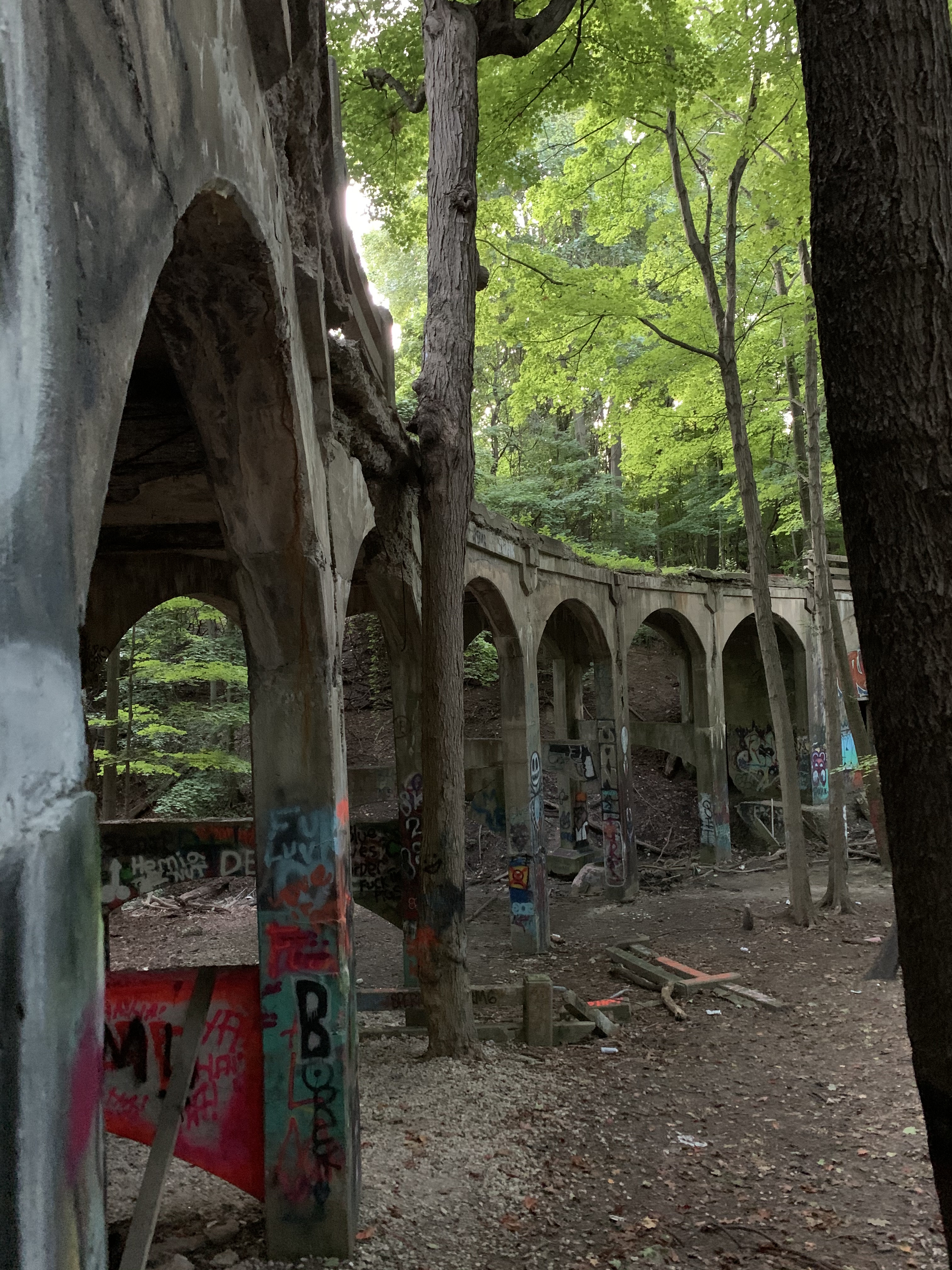
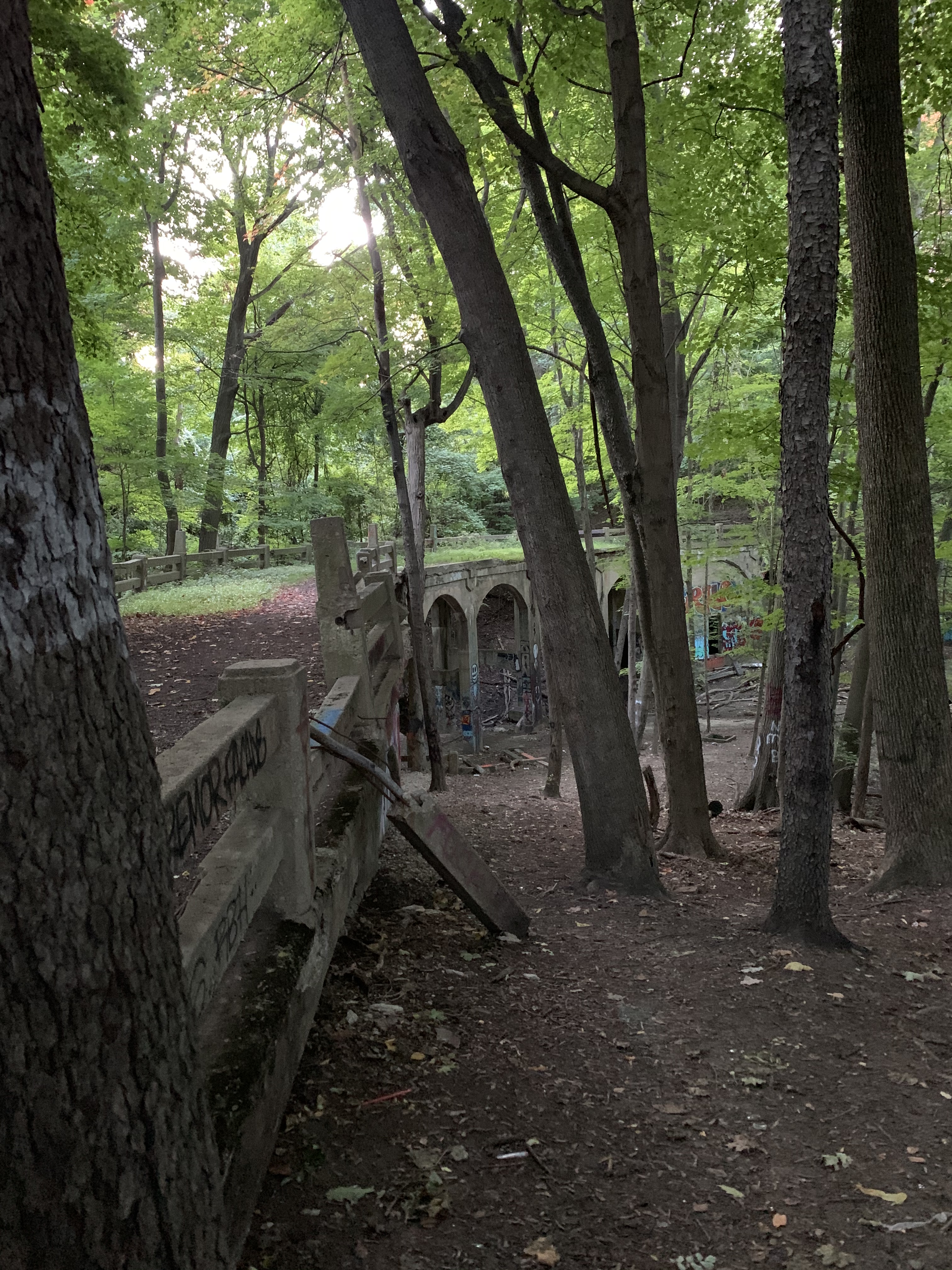
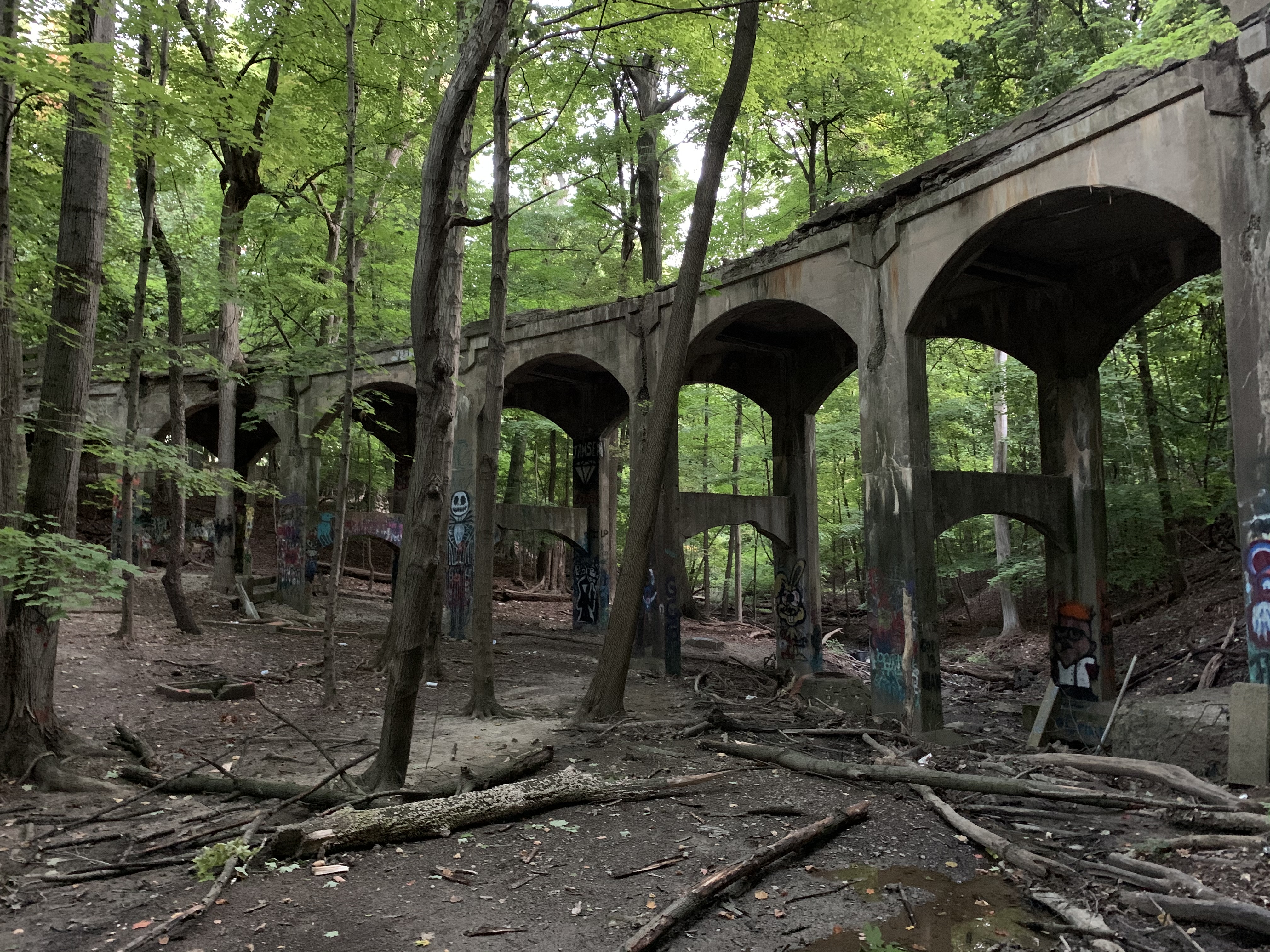
First stop of the day was the Hillandale Bridge in Euclid, OH. For fans of Atlas Obscura, we are trying to fit in at least one site per day in our travels. Yesterday’s sites were the Mark Twain Study and Roger Tory Peterson Institute. The Hillandale Bridge was built in the 1920’s as part of a housing development, and was abandoned when the depression hit and plans for the development came to a stop. It’s quite an impressive structure that is hidden just off the road by the city’s Hillandale Park.

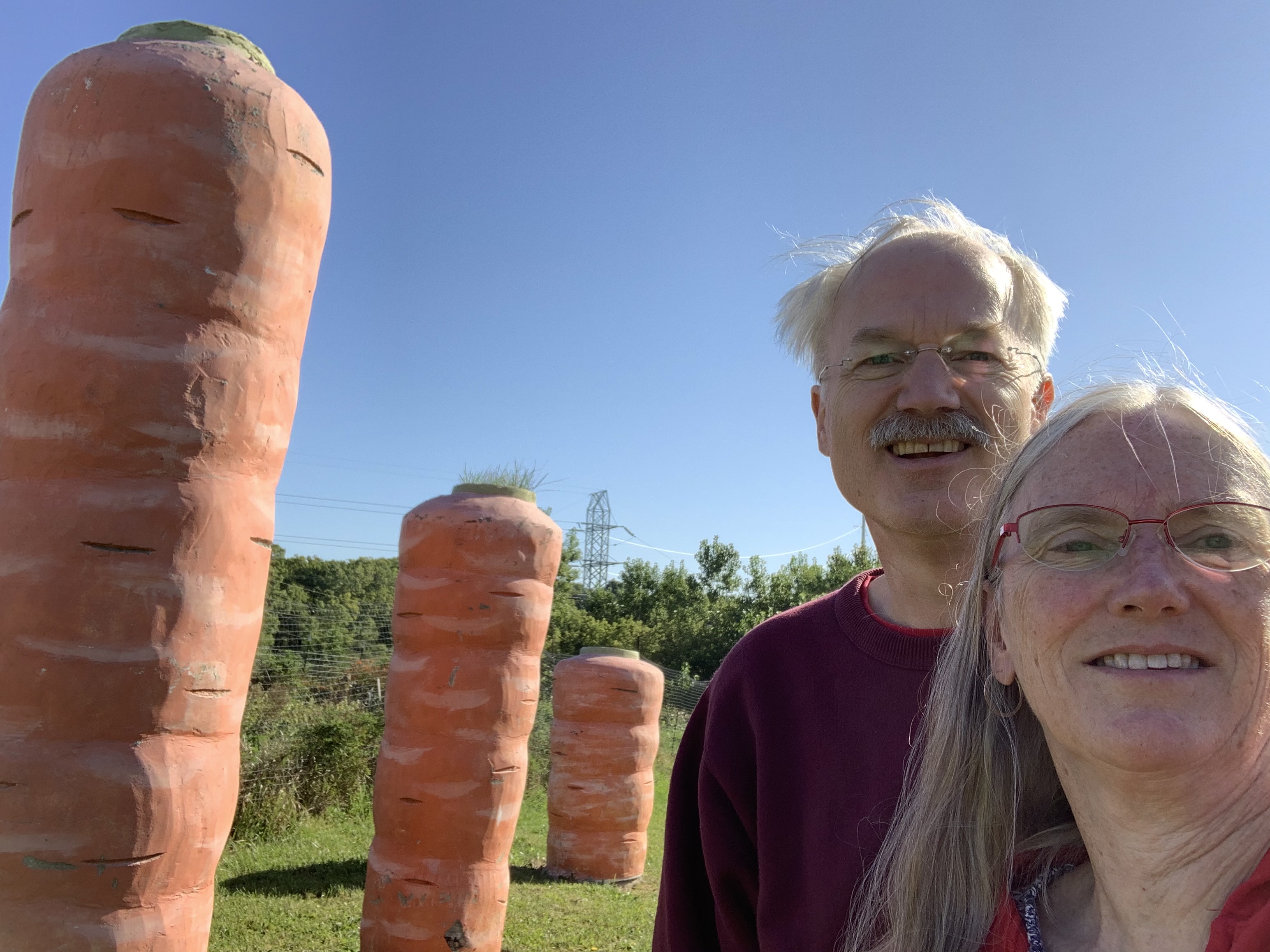
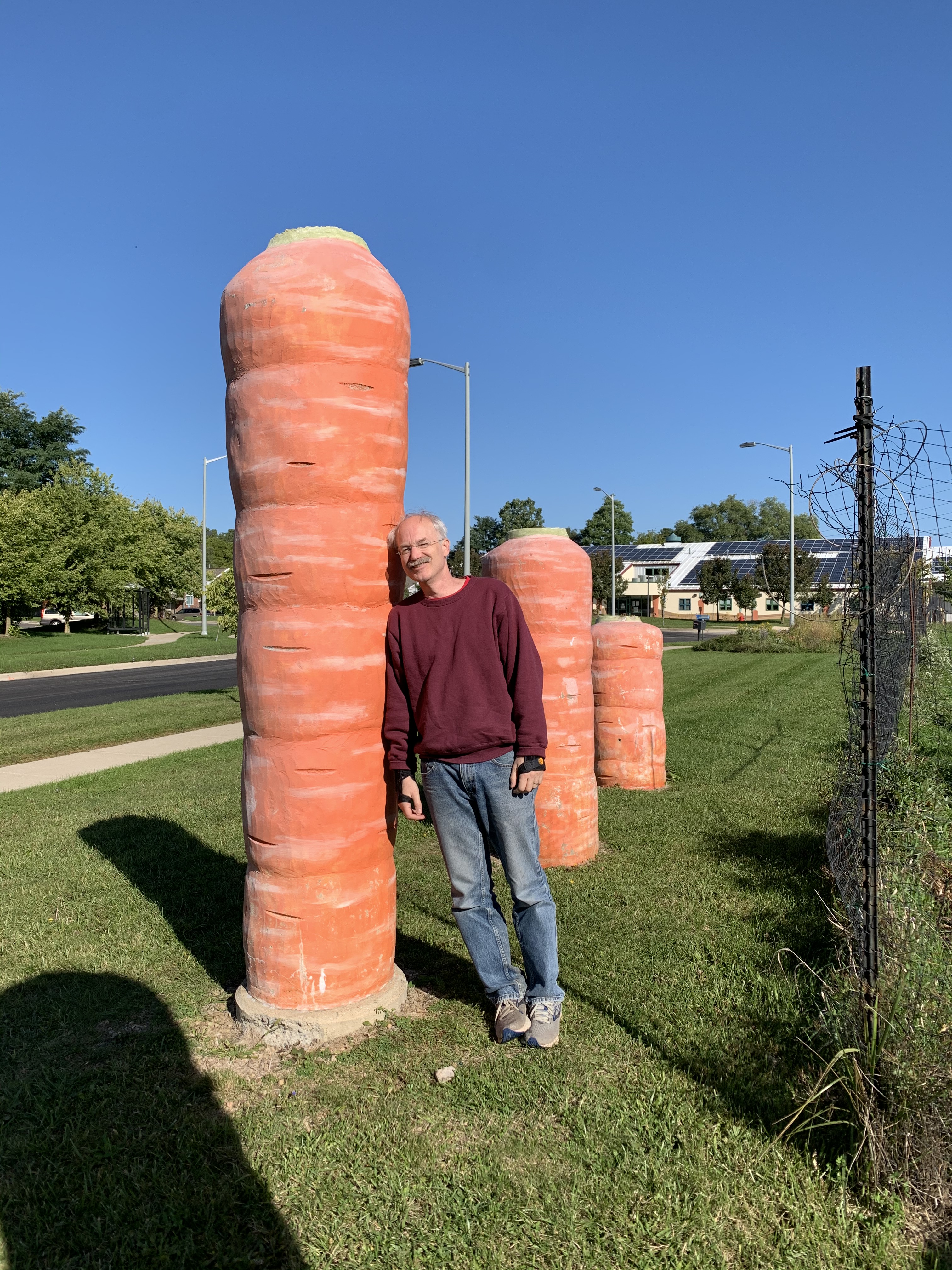
On to Ann Arbor, MI to see the Food Gatherer’s Giant Carrots. We were expecting larger carrots, but these were fun to see and to have as a selfie spot.

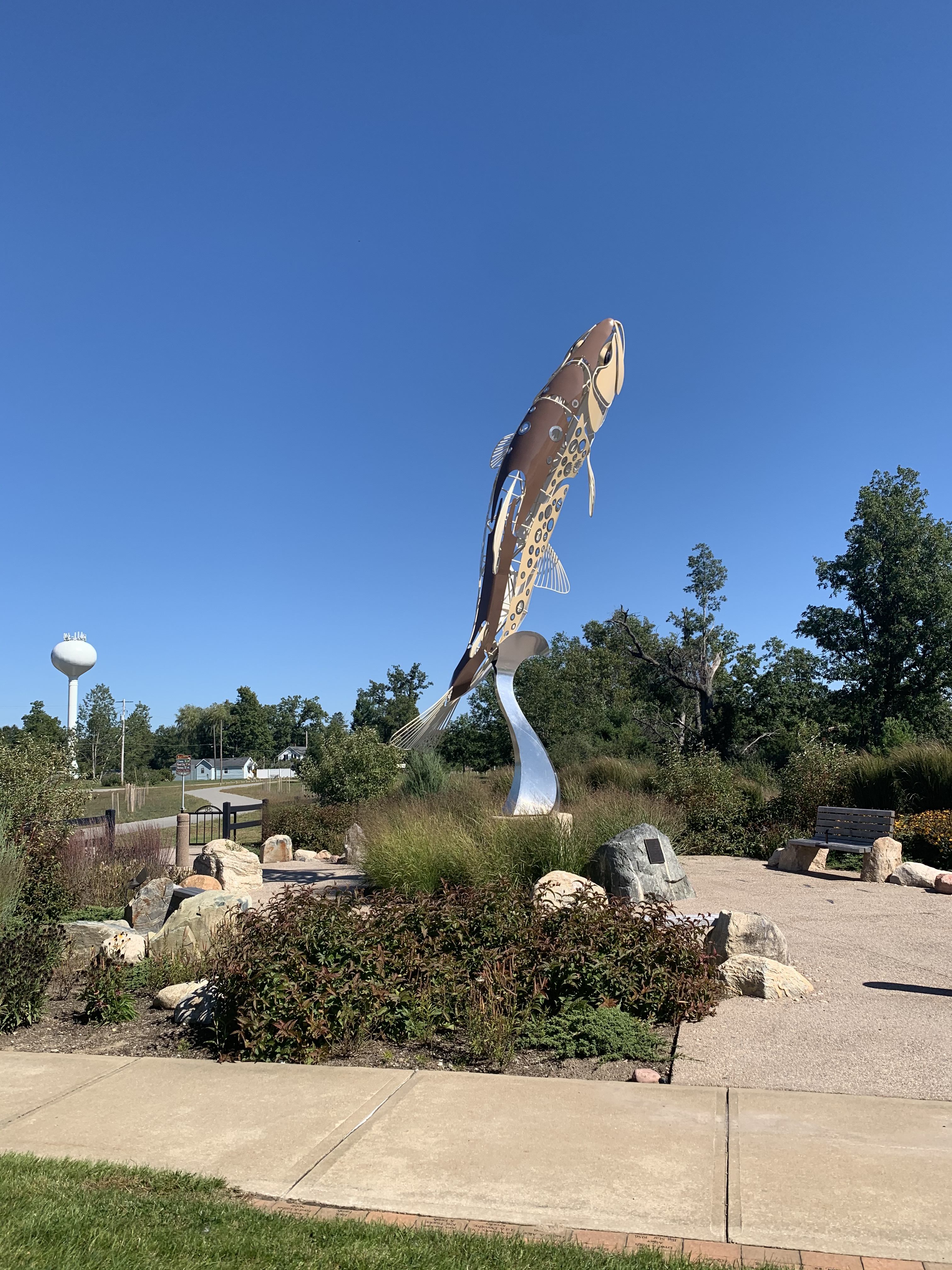
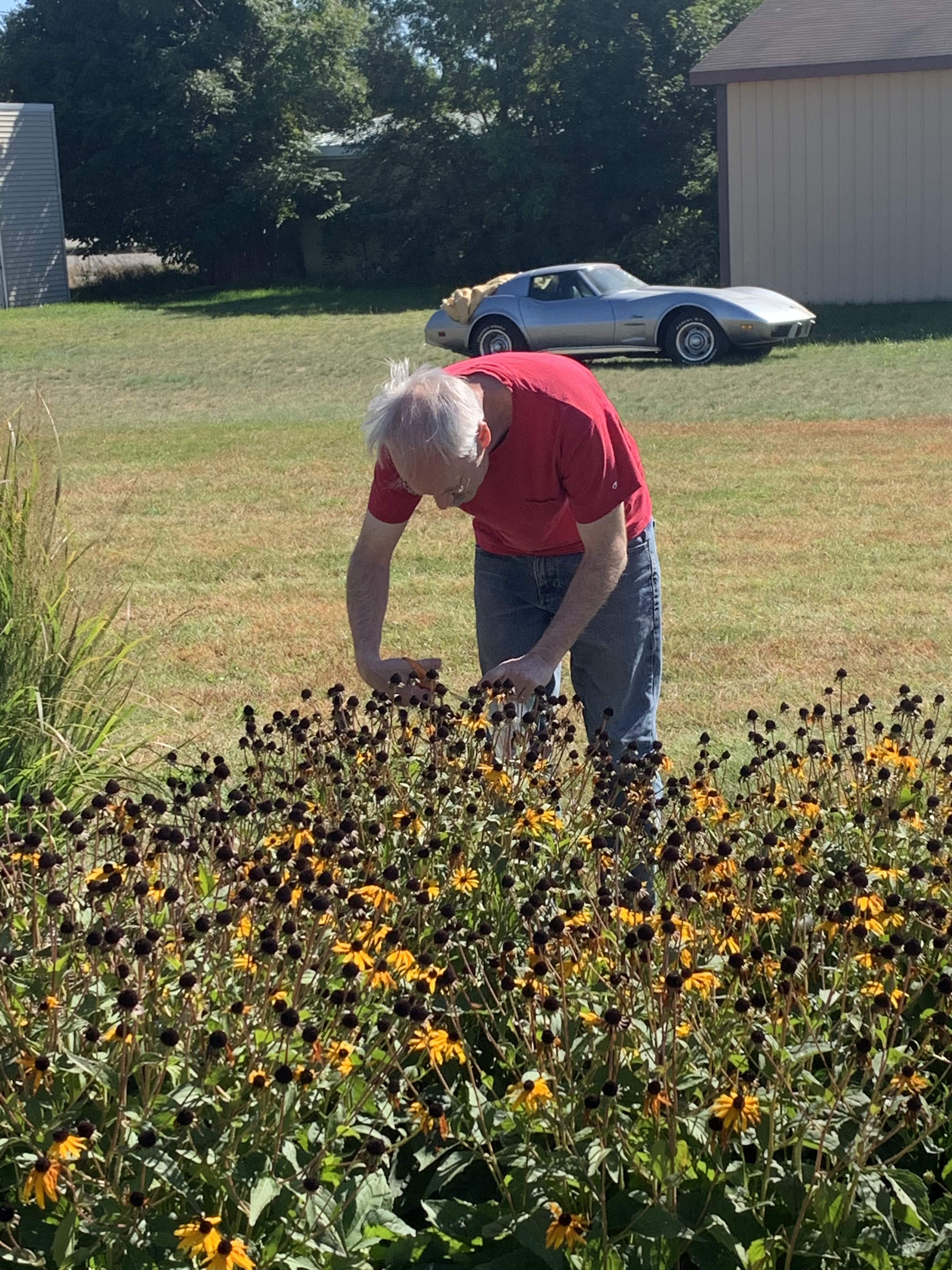
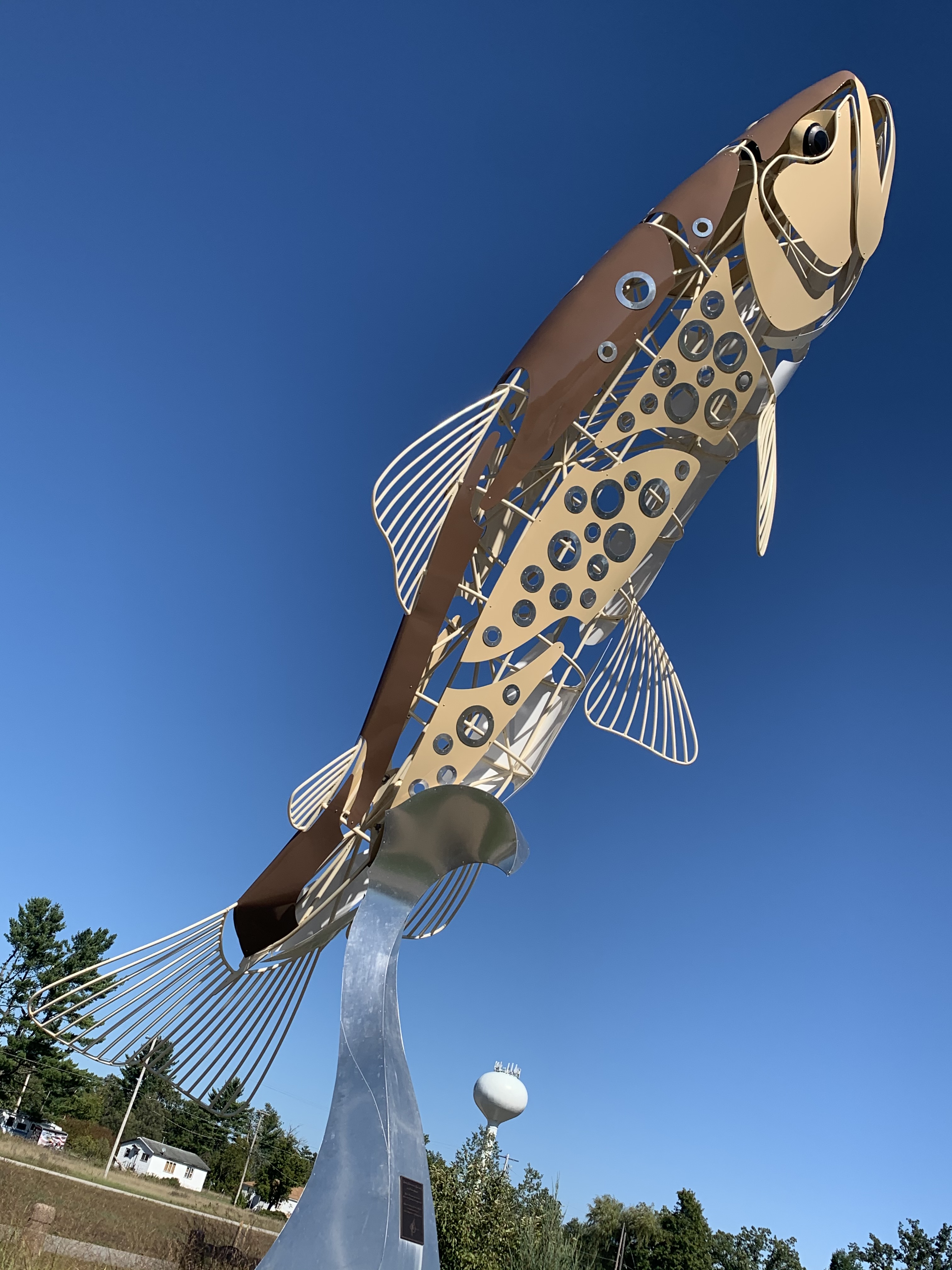
The Giant Brown Trout Sculpture in Baldwin, MI did not disappoint! Standing 25’ tall it seems suspended in the air. John helped the gardeners by dead-heading some perennials and harvesting seeds.

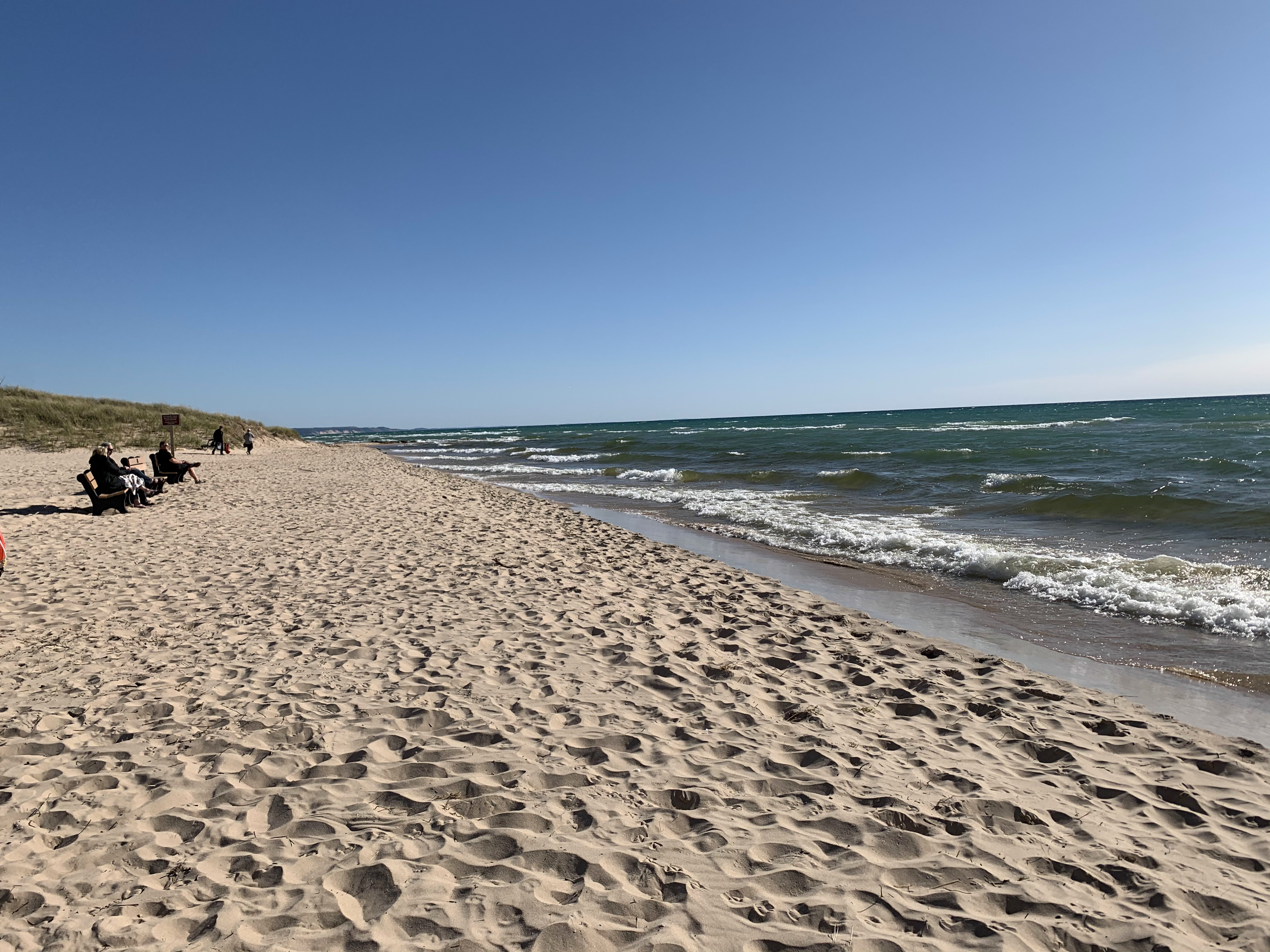
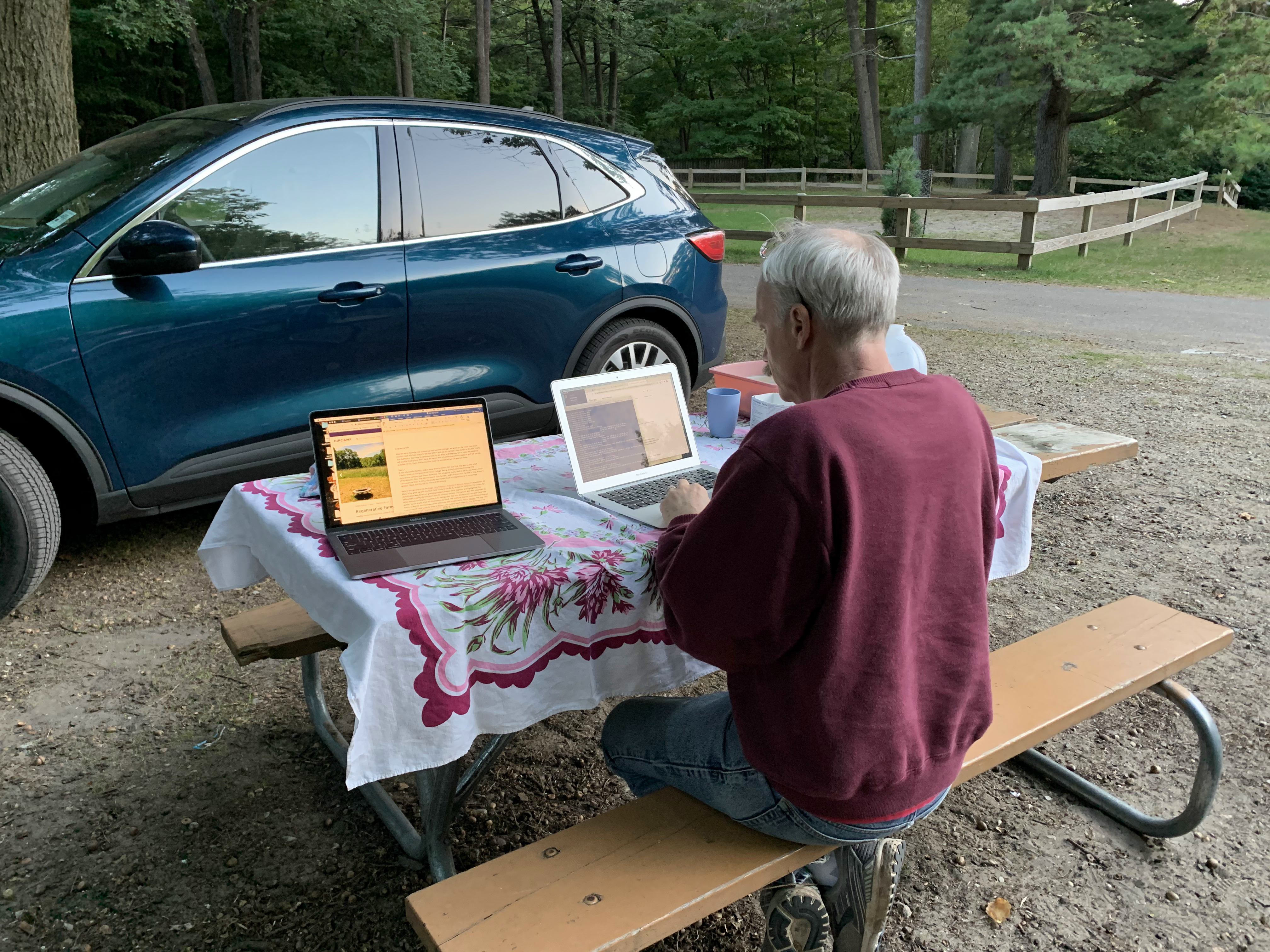
Our campsite for the night was at Ludington State Park on the shore of Lake Michigan. Large campgrounds are not our usual preference, but sometimes it’s the best you can do. We wanted to be close to the SS Badger Ferry for our early morning departure and sail across the great lake. We set up camp and took a nice walk along the sandy beach. The campground was very crowded, but only a few people were out on the beach. After dinner, we set up our laptops on the picnic table and worked on getting the blog up and running. It’s almost ready!

On The Way To The Nest: Day One

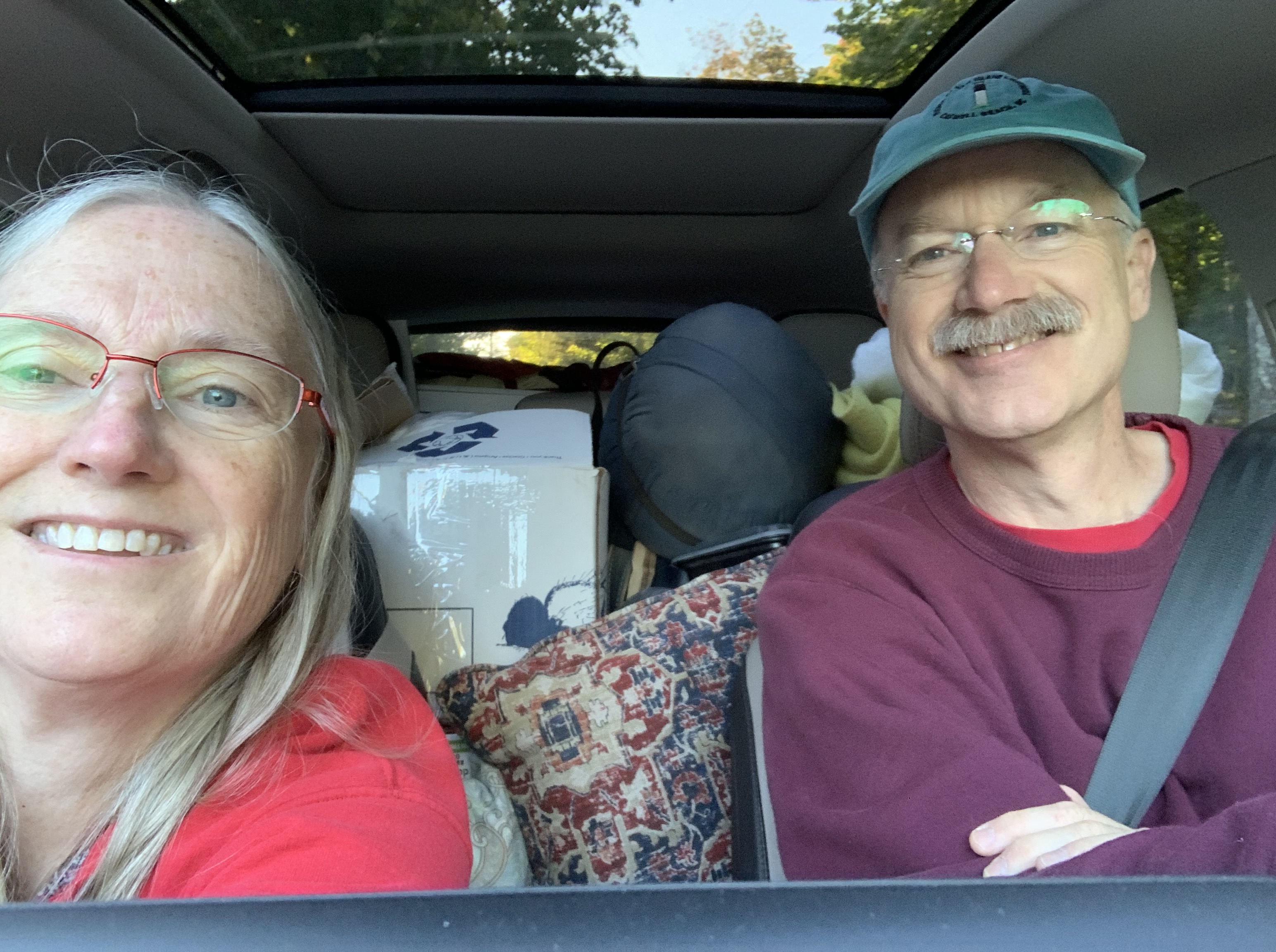
After an early morning rise to close up our summer cottage, we were on the road! Our cross-country road will have stops in Backus, MN to pick up our camper, then down to Boulder, CO to visit Katherine. We hope to continue west to see Matt and Meghna, but it looks like wildfires will scuttle those plans. We’ll keep an eye on that situation and will be ready to go if we can do so safely. If not, there will be another road trip as soon as we can get out there.

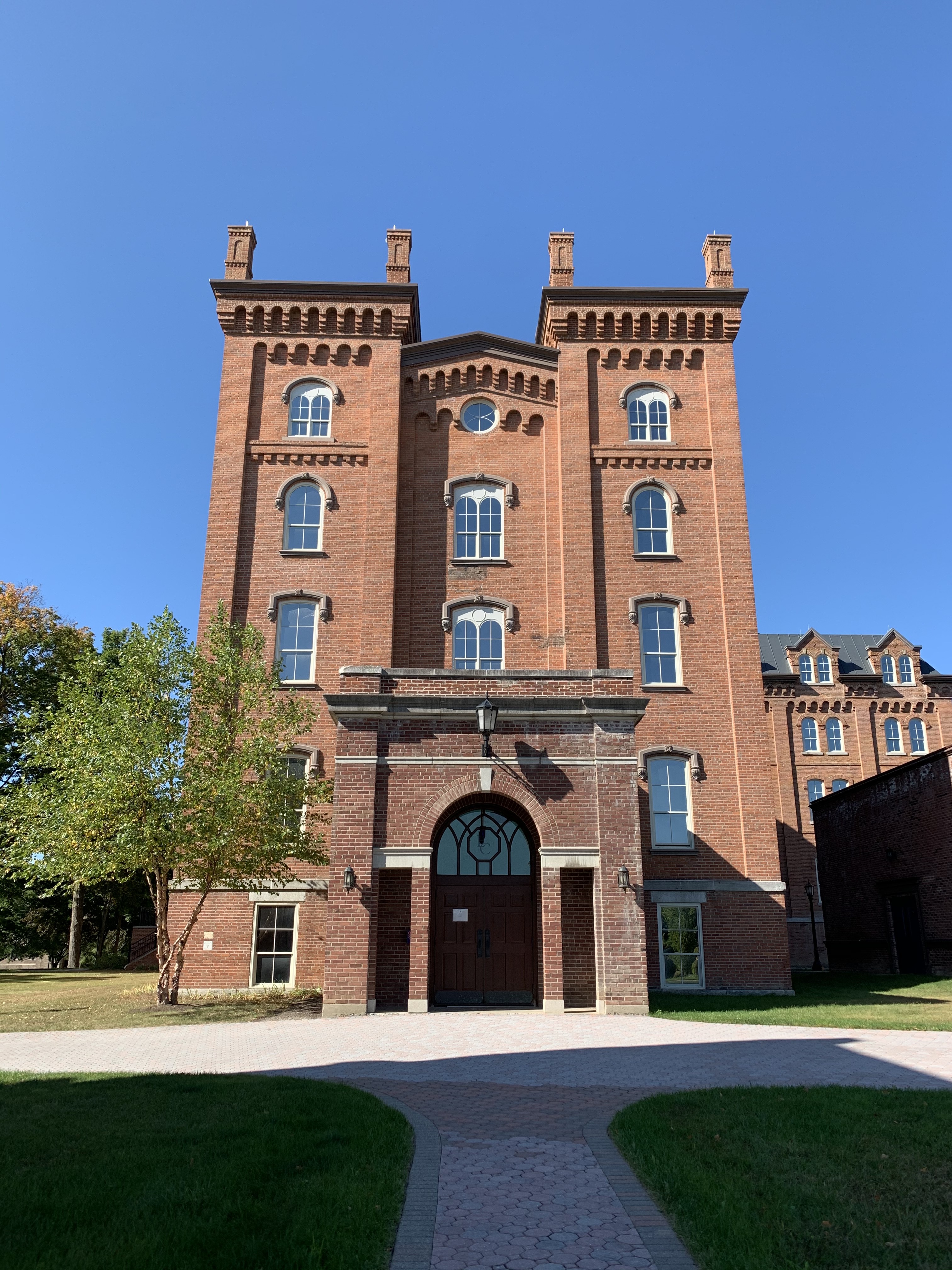
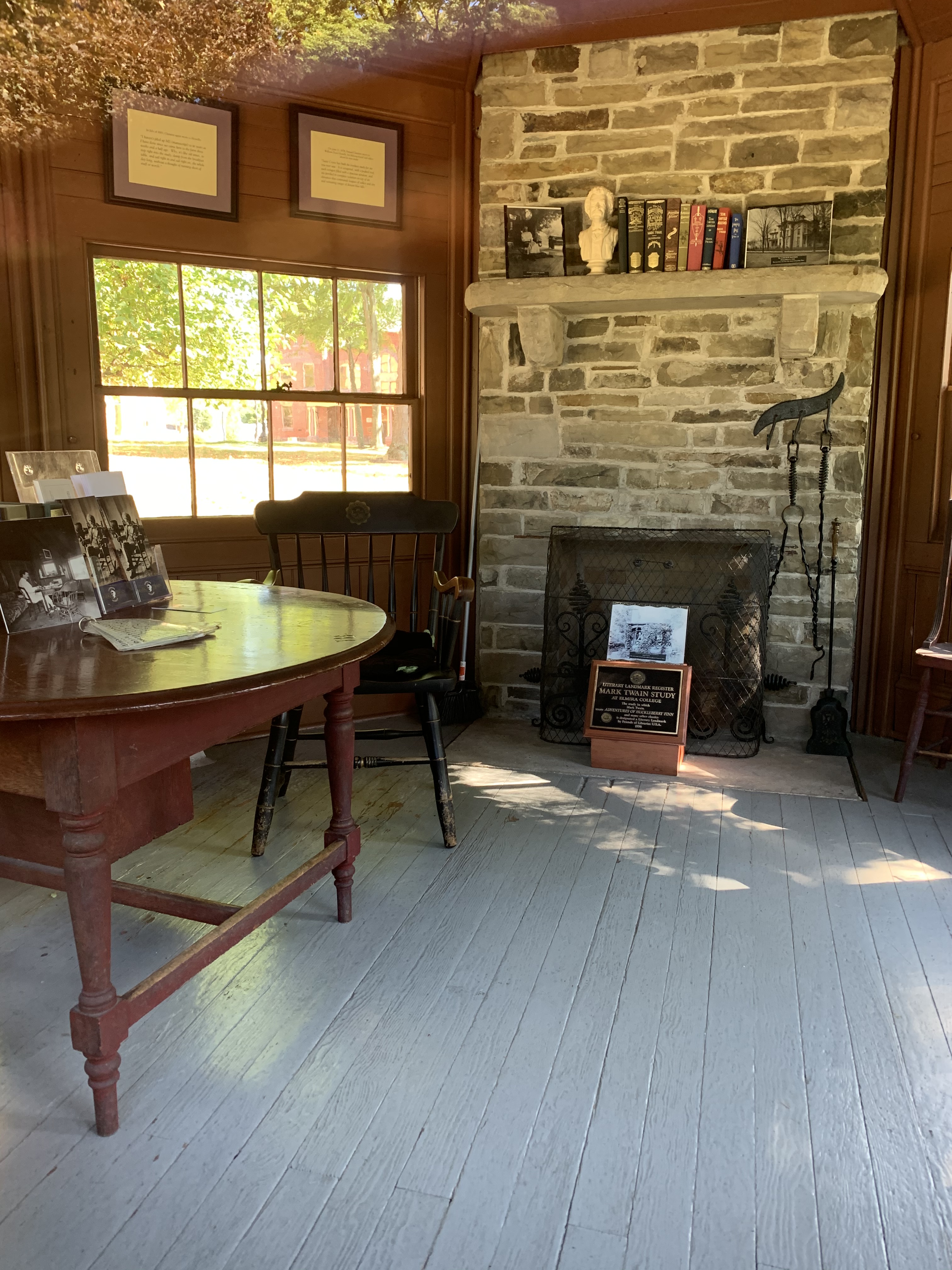
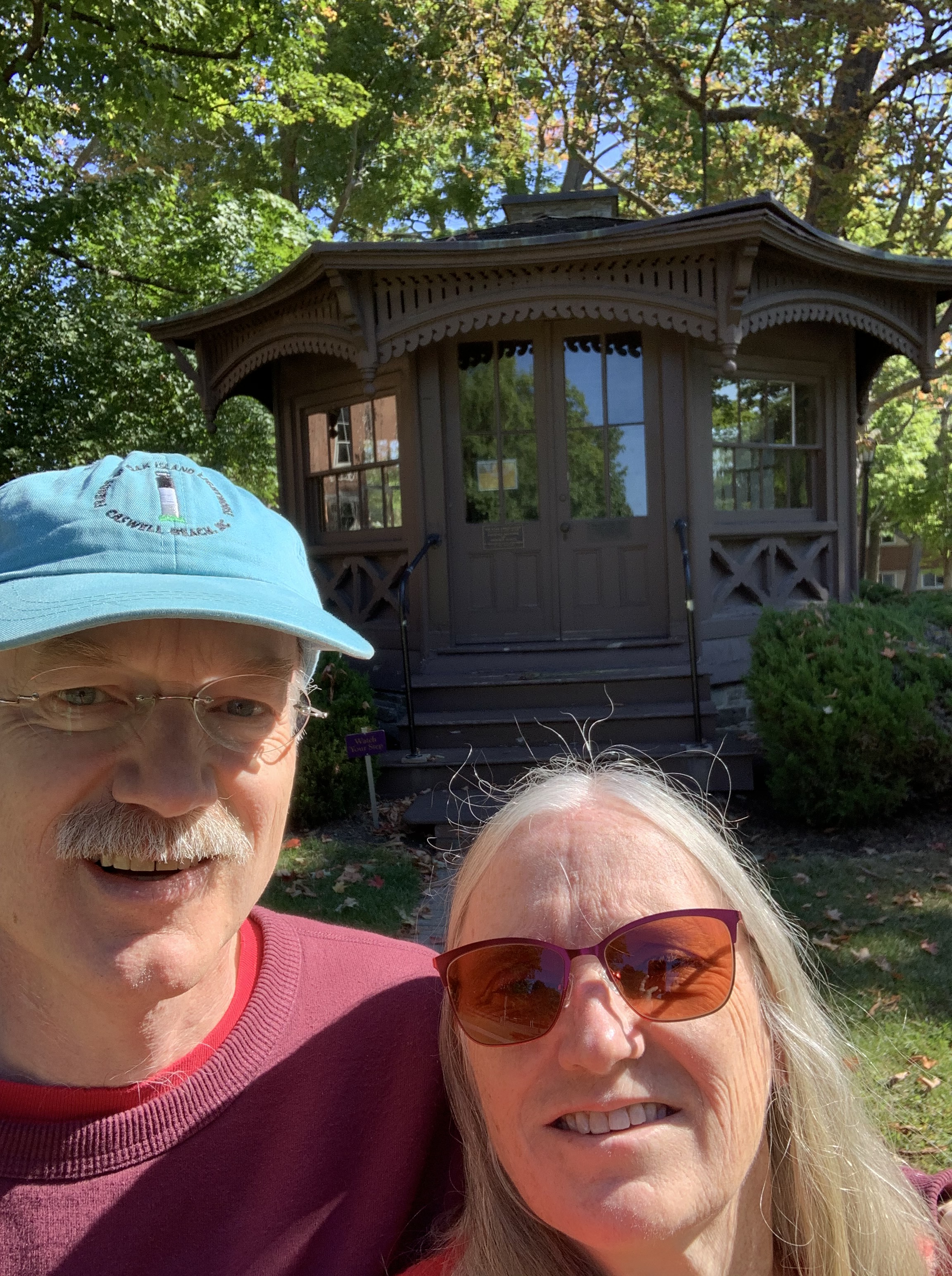
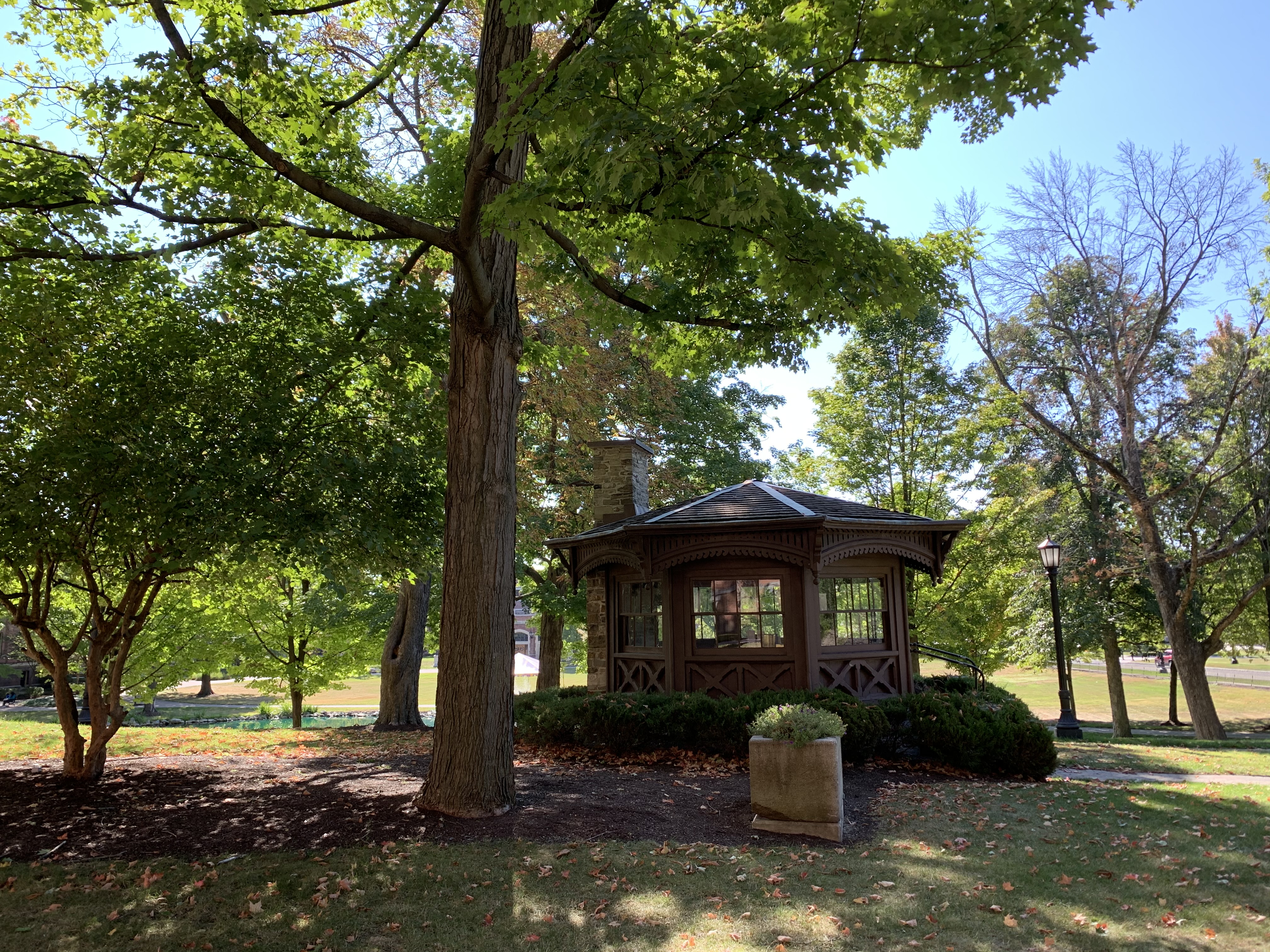
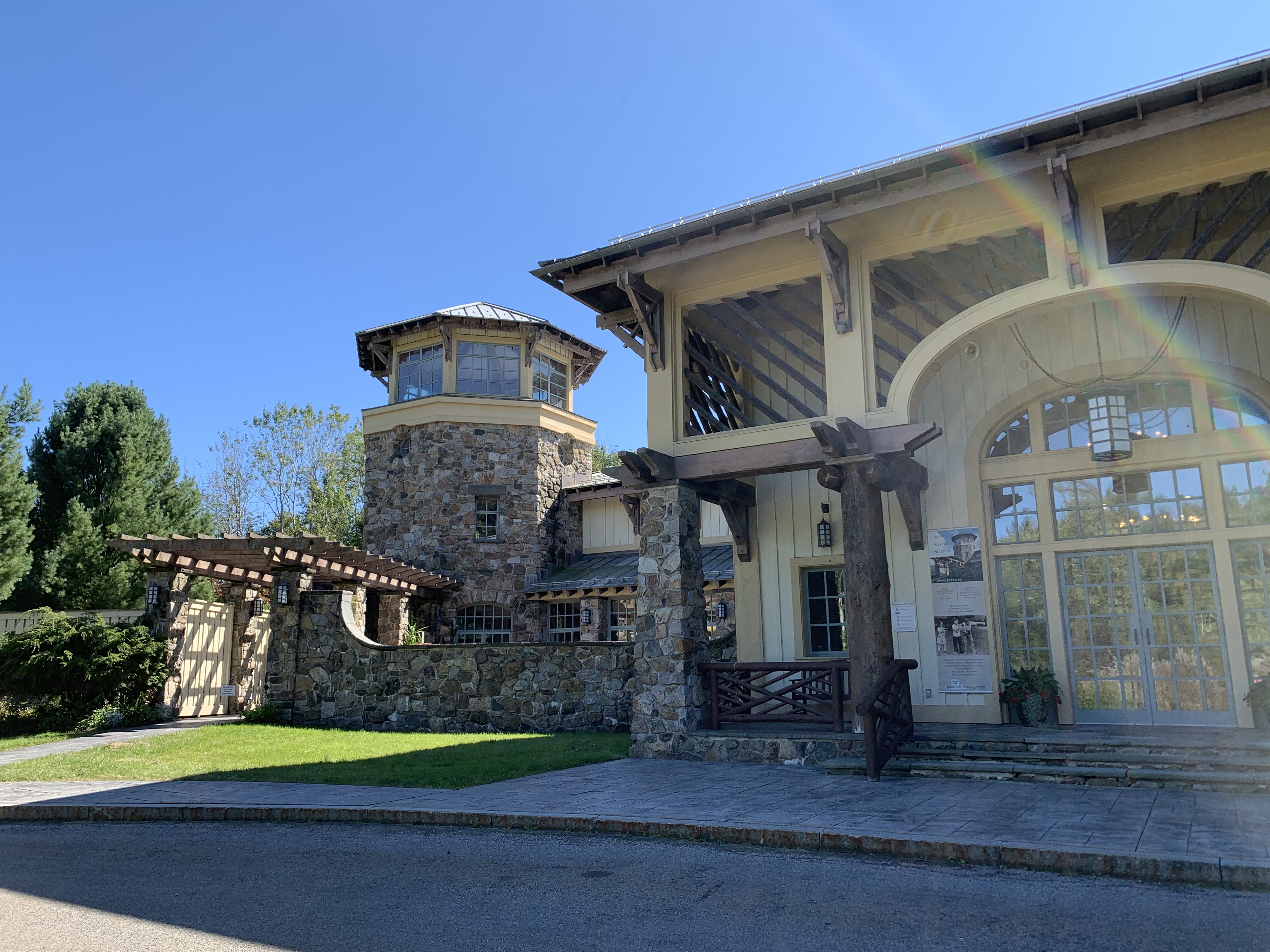
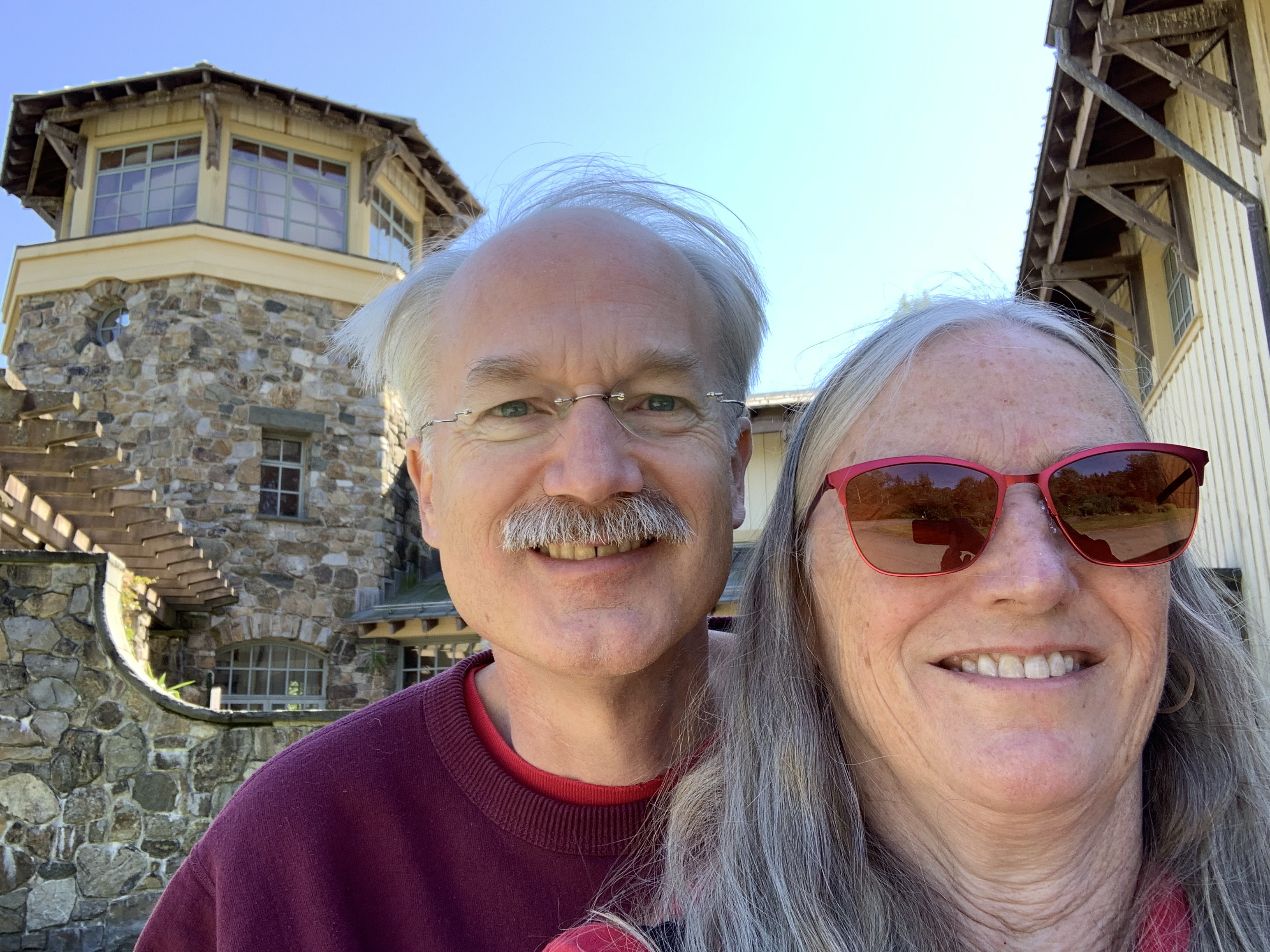
It was a beautiful fall day, and an easy drive to Elmira, NY. Our first stop was to visit Mark Twain’s study on the grounds of Elmira College. Being an early Saturday morning, the picturesque campus was almost deserted. The octagonal study, built in 1874, was where much of Huckleberry Finn, The Adventures of Tom Sawyer, and A Connecticut Yankee in King Arthur’s Court were written. In 1952, the study was moved from its original home to the college campus. Check out this link for more of the history.

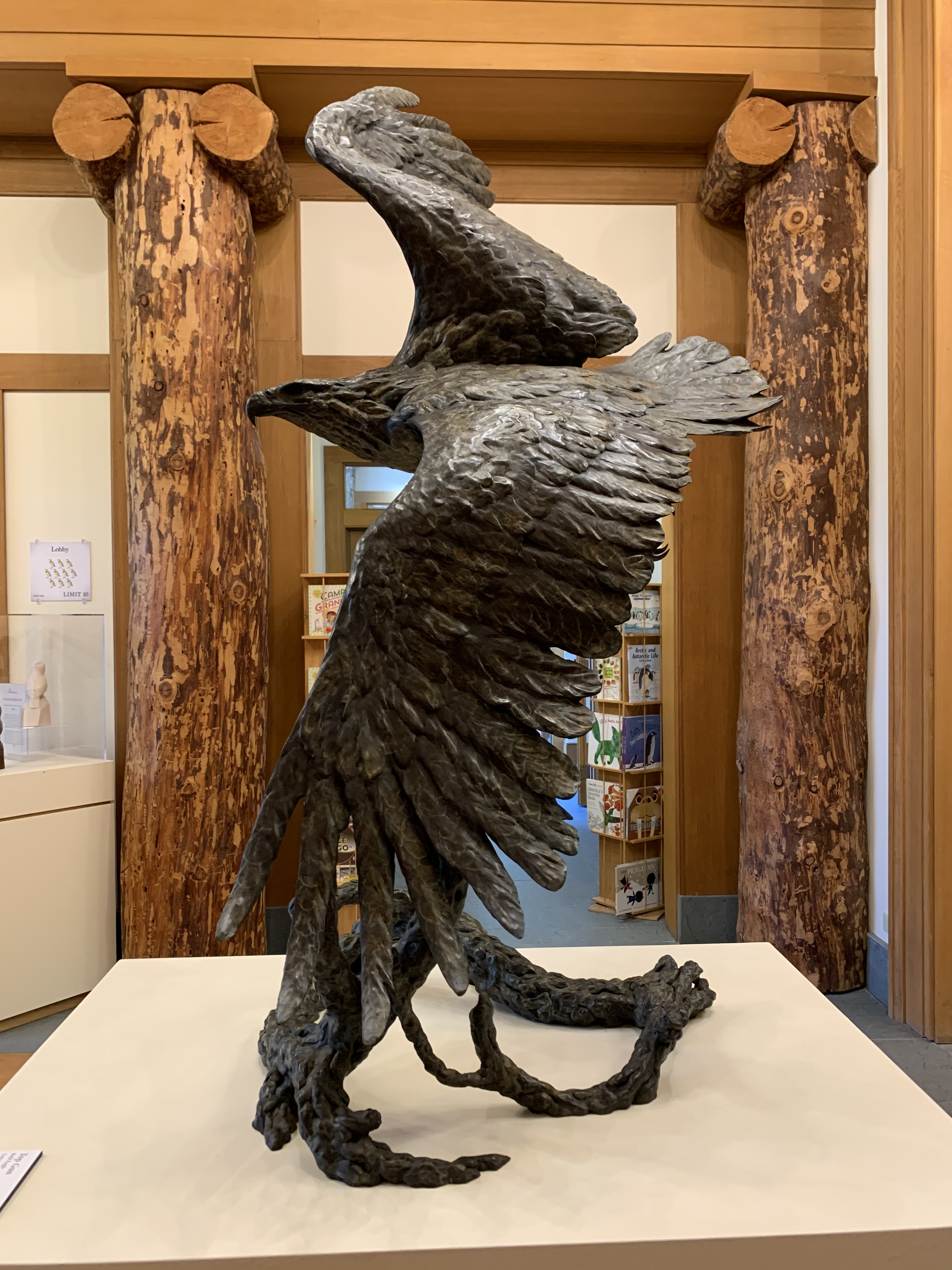
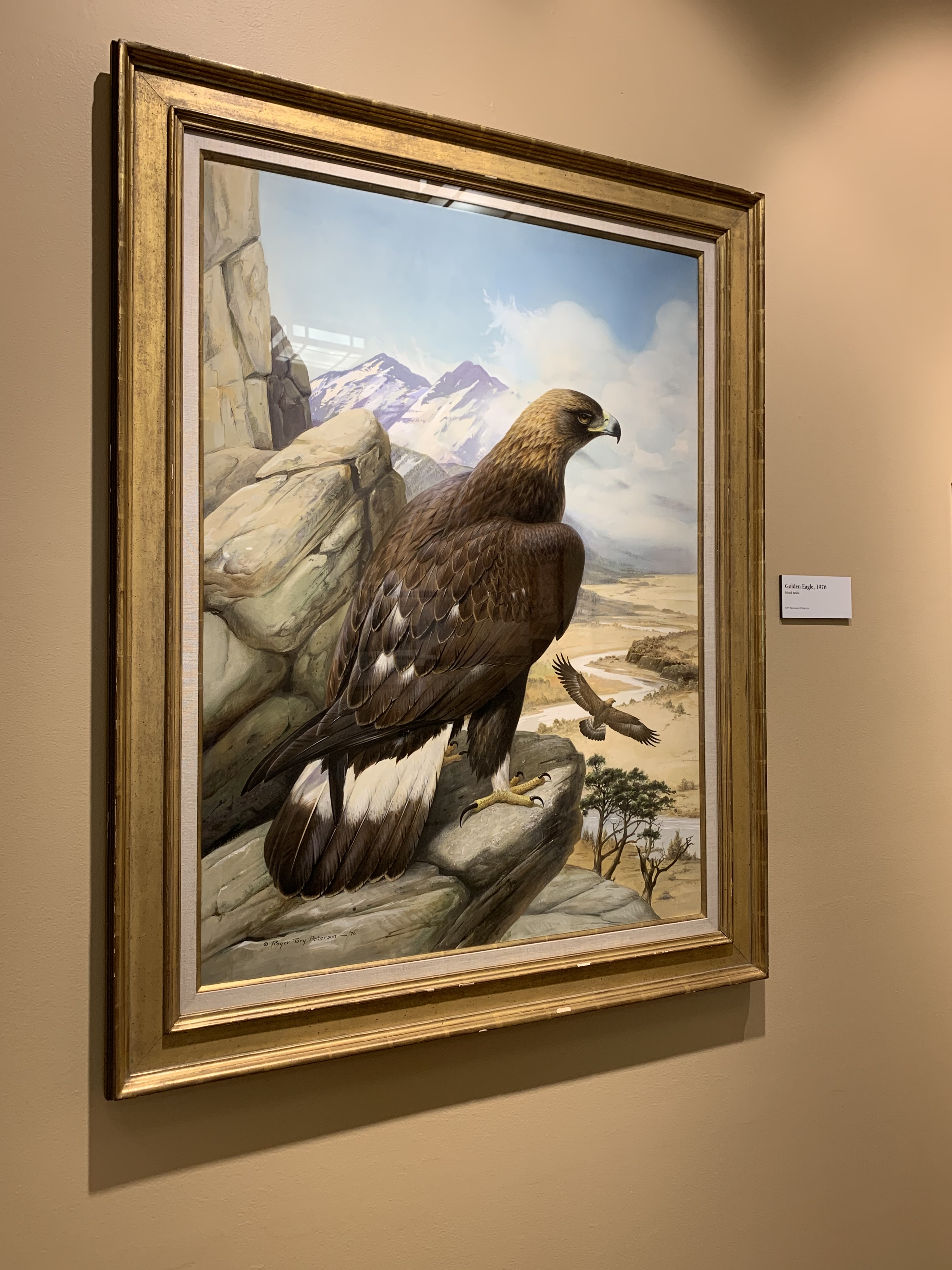
Back in the car and on to the Roger Tory Peterson Institute of Natural History in Jamestown, NY. Many of us grew up with the blue Field Guide to the Birds, written by Peterson. His system for identification was based on grouping similarly shaped birds together and highlighting the differences, making identification easy for amateur birders. This system was then expanded to other animals and plants, resulting in 52 field guides. Not only did Peterson compile these field guides, but he made all of the illustrations by hand. The institute displays many of these original works, as well as an extensive exhibit of bronze bird sculptures by Stefan Savides. We now own a new copy of Field Guide to Birds of Eastern and Central North America. Our binoculars are packed, so we’ll work on a list of bird sightings along the way – I did see a bald eagle as we were driving through NY!

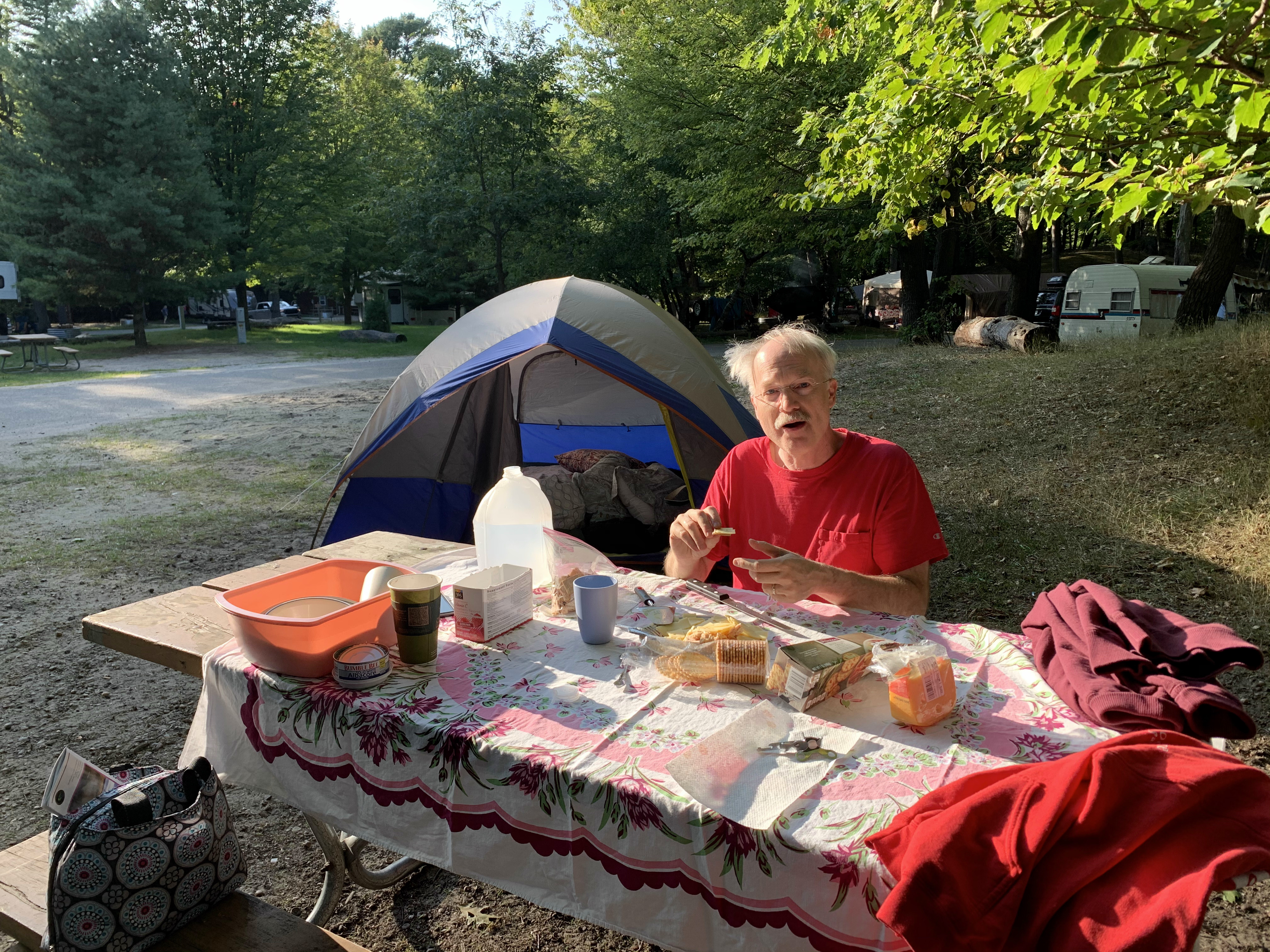
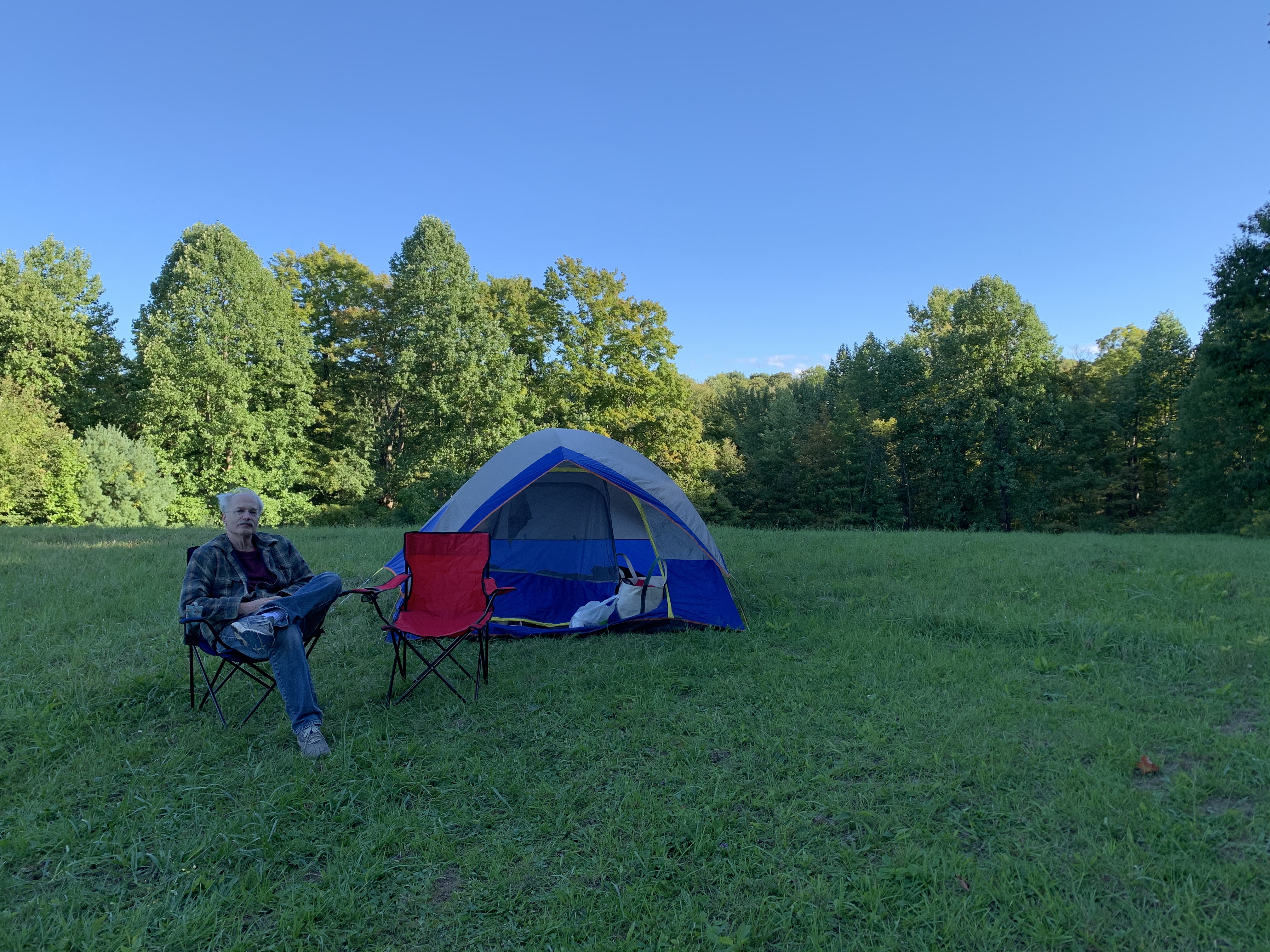
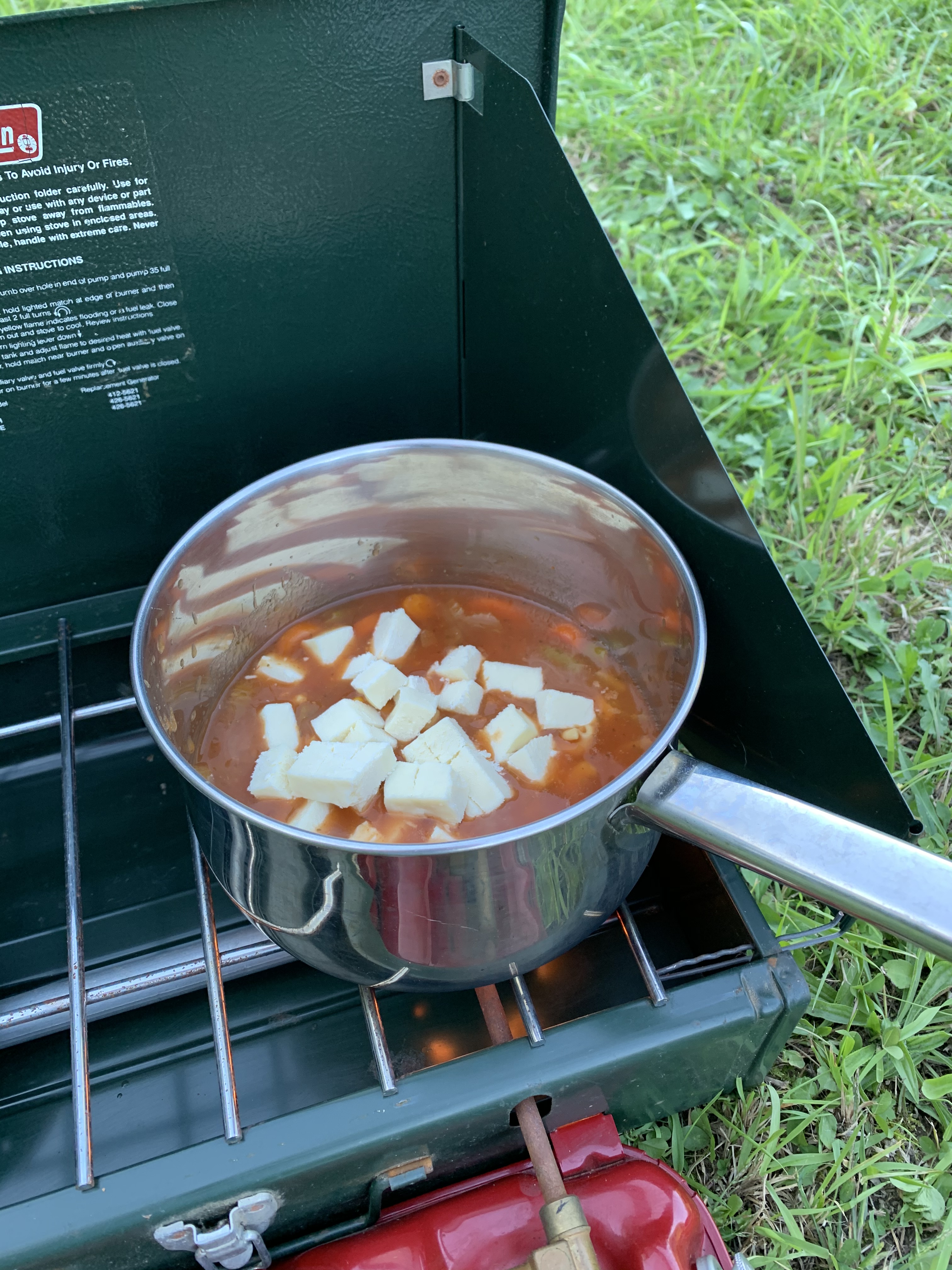
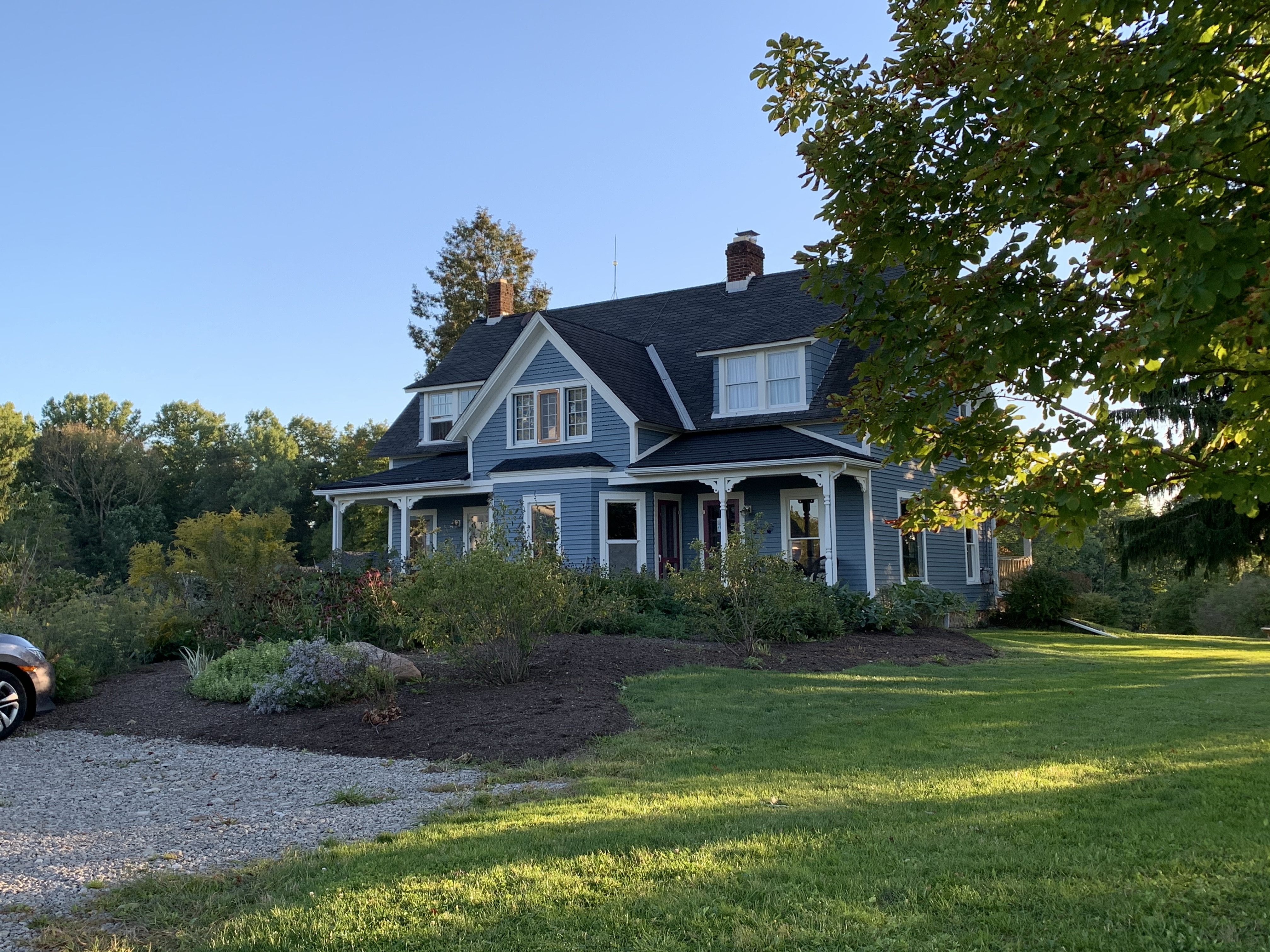
Our final stop was in Chardon, OH to pitch our tent for the night. Until we pick up the camper, we are tent camping. Not being fans of big, crowded campgrounds (and they are crowded these days!), we decided to give Hipcamp a try – it’s like Airbnb for camping. Our first night was at Regenerative Farm Stay. We had a nice tent site in a big hay field, and fired up our Coleman stove for a pot of veggie soup with paneer. We were tired and it was really cold, so we crawled into our sleeping bags early.